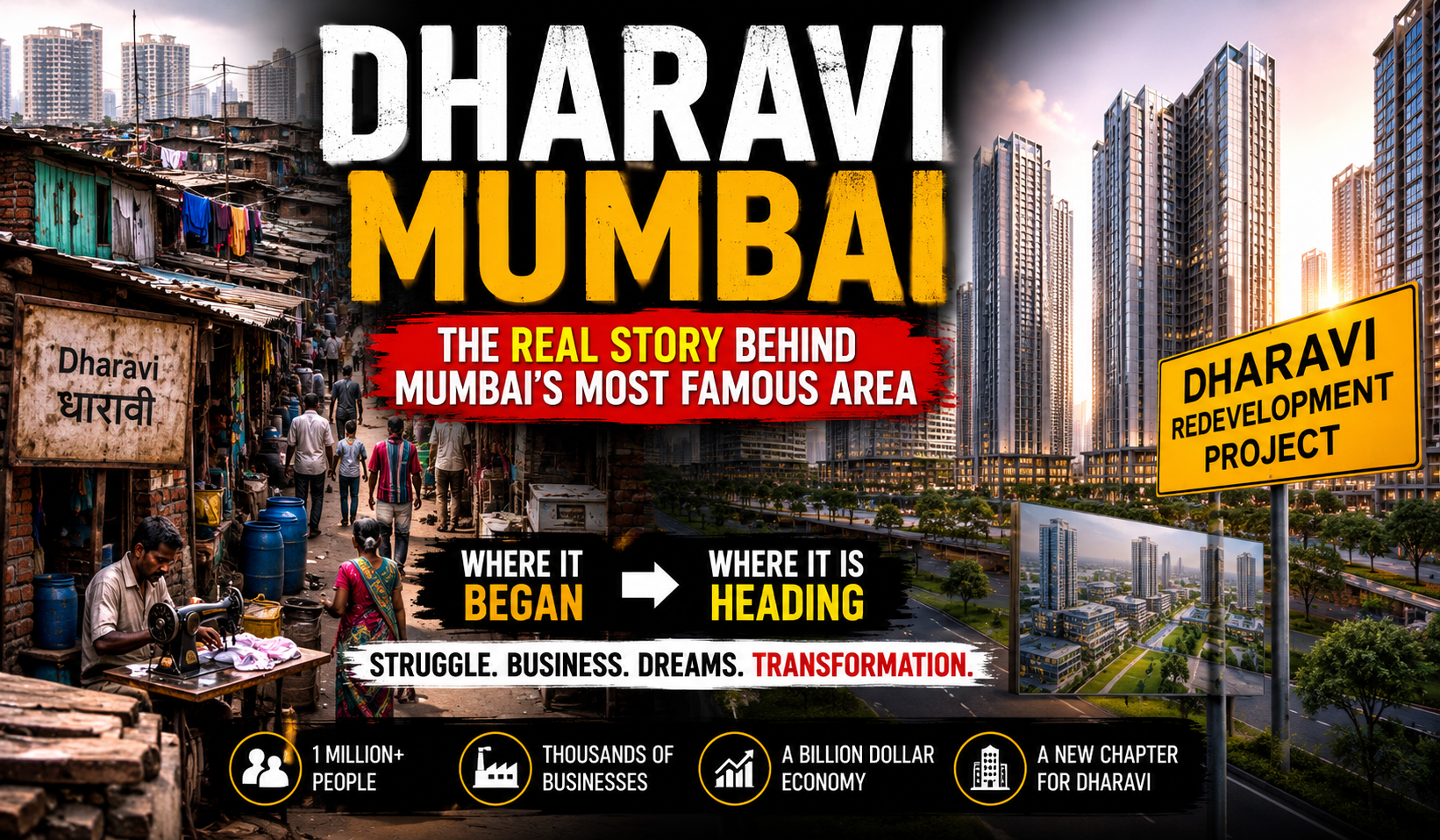
When people hear the word dharavi, many immediately think of crowded lanes, tiny homes, and one of the world’s largest slums. But the reality of dharavi Mumbai is far more complex, inspiring, and economically powerful than most outsiders imagine.
Located in the heart of Mumbai, Dharavi is not just a densely populated settlement — it is a living ecosystem filled with hardworking communities, thriving small businesses, cultural diversity, and entrepreneurial spirit. Today, the area is once again in the spotlight because of the massive dharavi redevelopment project that promises to transform the region into a modern urban township.
But will redevelopment improve lives, or will it erase the soul of Dharavi forever? Let’s explore everything you should know about Dharavi, its history, economy, culture, challenges, and future.
What is Dharavi?
Dharavi is a large informal settlement located in the center of Mumbai. Spread across approximately 2.1 square kilometers, Dharavi is home to hundreds of thousands of residents from different parts of India.
Despite its reputation as a slum, Dharavi is considered one of the most economically active informal settlements in the world. Thousands of small industries operate here daily, including:
- Leather manufacturing
- Pottery making
- Textile production
- Recycling industries
- Food businesses
- Tailoring workshops
- Handmade goods production
The area generates an estimated hundreds of millions of dollars annually through local businesses and exports.
The History of Dharavi Mumbai
The story of dharavi Mumbai dates back to the late 19th century during British colonial rule. Originally, Dharavi was a swampy fishing village occupied mainly by the Koli fishing community.
As Mumbai expanded rapidly due to industrialization, migrant workers from across India moved into the city looking for jobs. Many settled in Dharavi because affordable housing was scarce elsewhere.
Over the decades, communities from Tamil Nadu, Uttar Pradesh, Gujarat, Karnataka, and other regions built homes and businesses here. This created a unique cultural blend that still defines Dharavi today.
By the 20th century, Dharavi had evolved into a densely populated urban settlement known for both poverty and extraordinary entrepreneurship.
Why Dharavi is Famous Worldwide
Dharavi became internationally famous after the release of the movie Slumdog Millionaire, which showcased parts of life inside Mumbai’s slums.
However, many locals argued that global media often portrays only poverty while ignoring Dharavi’s vibrant economy, talent, and community strength.
Today, Dharavi is studied by urban planners, economists, and social researchers worldwide because it represents:
- Informal urban development
- Community-based economies
- High-density living systems
- Grassroots entrepreneurship
- Urban survival and resilience
The Massive Dharavi Economy
One of the most surprising facts about dharavi is its powerful local economy.
Thousands of micro-businesses operate in small workshops and homes. Some industries function almost 24 hours a day. Dharavi’s recycling industry alone processes huge amounts of plastic, metal, cardboard, and waste materials from across Mumbai.
Popular industries in Dharavi include:
1. Leather Industry
Dharavi is famous for handmade leather bags, wallets, belts, and jackets exported worldwide.
2. Pottery Colony
The Kumbharwada area is known for traditional pottery making using age-old techniques.
3. Textile Workshops
Small garment factories produce clothing for local markets and wholesalers.
4. Recycling Industry
Dharavi is considered one of India’s largest informal recycling hubs.
This economic activity makes Dharavi much more than just a residential settlement.
Life Inside Dharavi
Life in Dharavi can be extremely challenging due to:
- Overcrowding
- Limited sanitation
- Water shortages
- Narrow lanes
- Poor drainage systems
- Health risks during monsoon seasons
Yet the sense of community remains strong. Families often support each other through local networks, businesses, and cultural traditions.
Despite difficult living conditions, many residents prioritize education and entrepreneurship to improve future opportunities for their children.
Dharavi During COVID-19
During the COVID-19 pandemic, Dharavi initially became a major concern because of its population density. However, Mumbai authorities, healthcare workers, and local volunteers implemented aggressive testing and containment strategies.
Eventually, Dharavi’s COVID management model gained international attention for controlling the spread effectively despite difficult conditions.
Dharavi Redevelopment Project Explained
The biggest topic surrounding Dharavi today is the massive dharavi redevelopment plan.
The government aims to transform Dharavi into a modern urban area with:
- High-rise residential buildings
- Improved sanitation
- Better roads
- Healthcare facilities
- Schools
- Commercial infrastructure
- Modern transportation systems
The redevelopment project has been discussed for decades, but recent developments have accelerated planning and investment.
Major goals of the dharavi redevelopment project include:
- Providing better housing for residents
- Improving living conditions
- Boosting economic growth
- Modernizing urban infrastructure
- Increasing Mumbai’s real estate value
Concerns About Dharavi Redevelopment
While many support modernization, the project has also sparked serious debates.
Critics worry about:
Loss of Livelihoods
Many Dharavi residents work from home-based workshops. Redevelopment may disrupt these businesses.
Cultural Displacement
Communities built over generations fear losing their identity and social networks.
Rehabilitation Challenges
Questions remain about eligibility, housing allocation, and long-term sustainability.
Real Estate Interests
Some activists believe developers may benefit more than residents.
The future of dharavi Mumbai depends heavily on how redevelopment balances modernization with community preservation.
Tourism in Dharavi
Over the years, Dharavi has also become a destination for social and educational tourism. Guided tours often showcase:
- Recycling industries
- Pottery workshops
- Local businesses
- Community projects
- Everyday life in Dharavi
Supporters say these tours help break stereotypes and generate local income, while critics argue they can sometimes commercialize poverty.
Interesting Facts About Dharavi
- Dharavi is often called one of Asia’s largest slums.
- Thousands of small factories operate inside Dharavi daily.
- Residents come from many different Indian states and cultures.
- Dharavi’s recycling sector handles massive amounts of Mumbai’s waste.
- The area has appeared in several documentaries and films.
- Dharavi has an incredibly high population density.
The Future of Dharavi Mumbai
The future of dharavi Mumbai stands at a critical turning point. Redevelopment could improve millions of lives if executed fairly and inclusively.
However, experts believe true transformation should not only focus on buildings but also protect:
- Local businesses
- Cultural identity
- Employment opportunities
- Community networks
- Affordable housing rights
Dharavi is more than a slum — it is a symbol of survival, innovation, and human resilience in one of the world’s most expensive cities.
Conclusion
The story of dharavi is not simply about poverty. It is about ambition, migration, hard work, entrepreneurship, and the struggle for dignity in urban India.
As the massive dharavi redevelopment project moves forward, the world is watching closely. Whether Dharavi becomes a model for inclusive urban development or a cautionary tale of displacement will depend on decisions made in the coming years.
One thing is certain: Dharavi remains one of the most fascinating and important urban communities in India today.