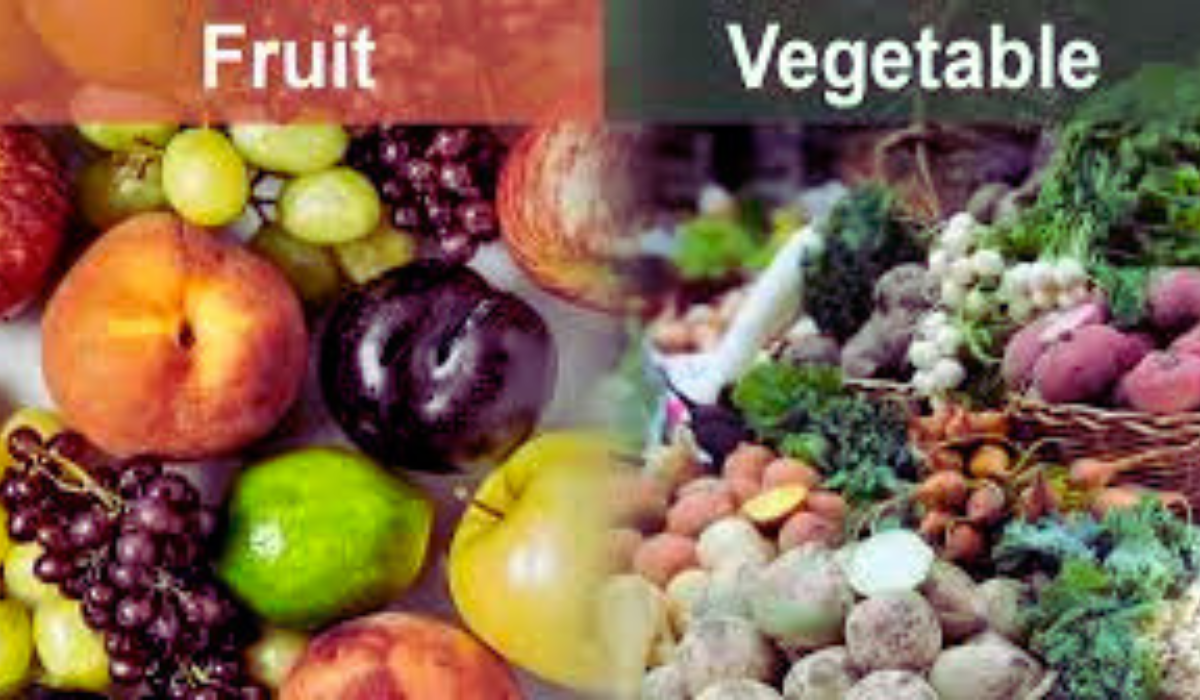
When it comes to healthy eating, fruits and vegetables are the real superheroes. They are packed with vitamins, minerals, fiber, and plant compounds that your body needs every single day. The best part? No single fruit or vegetable can give you all the nutrients on its own, which means variety is just as important as quantity. The more colorful your plate looks, the better it is for your health.
Why Fruits and Vegetables Matter
Eating a diet rich in fresh produce can do wonders for your body. Research shows that fruits and vegetables:
- Lower blood pressure
- Reduce the risk of heart disease and stroke
- Help prevent some types of cancer
- Improve eye and digestive health
- Support healthy blood sugar levels, keeping hunger in control
- May even promote weight loss when you choose non-starchy options like apples, pears, and leafy greens
Different families of fruits and vegetables contain hundreds of beneficial plant compounds. That’s why mixing colors and types ensures your body gets a wide range of nutrients while also making meals more appealing and enjoyable.
Easy Tips to Eat More Fruits and Vegetables
- Keep fruit handy: Place a bowl of washed fruits on the kitchen counter or store cut fruits in a clear glass container in the fridge.
- Try something new: Explore seasonal and colorful produce during your grocery trips. Aim for at least one serving each of leafy greens, orange or yellow vegetables, red fruits, legumes, and citrus.
- Don’t rely on potatoes: Instead of starchy vegetables, go for nutrient-rich options like broccoli, beans, or leafy greens.
- Make veggies part of meals: Add them to soups, salads, stir-fries, or even smoothies for a tasty twist.
Health Benefits of Fruits and Vegetables
Heart Health
Studies show that eating more fruits and vegetables can significantly lower the risk of heart attacks and strokes. People who eat at least 5–8 servings a day are up to 30% less likely to develop cardiovascular disease. Leafy greens, cruciferous vegetables (like broccoli, cabbage, and kale), and citrus fruits are especially powerful for heart health.
Blood Pressure
The DASH diet, which emphasizes fruits, vegetables, and low-fat dairy, has been proven to lower blood pressure levels almost as effectively as medication. Diets rich in produce also work better when balanced with healthy fats and proteins.
Cancer Prevention
While eating more fruits and vegetables may not completely prevent cancer, certain types of produce can lower risks. For example:
- Tomatoes and other lycopene-rich foods may help protect against prostate cancer.
- Cruciferous vegetables like broccoli and cabbage are linked to reduced risks of some cancers.
- High-fiber fruits and vegetables may lower the risk of breast cancer.
Diabetes
Whole fruits like blueberries, apples, and grapes have been linked to a reduced risk of type 2 diabetes, while fruit juices may increase risk. Leafy greens and berries are particularly helpful in keeping blood sugar levels steady.
Weight Management
Non-starchy fruits and vegetables are low in calories but high in fiber, making them perfect for weight control. Berries, apples, pears, and cauliflower are associated with weight loss, while starchy vegetables like potatoes and corn are linked to weight gain if eaten in excess.
Digestive Health
Thanks to their fiber content, fruits and vegetables keep your digestive system happy. They help prevent constipation, reduce the risk of diverticulosis, and support overall gut health.
More Reasons to Love Fruits and Veggies
- Rich in nutrients: Full of vitamins A, C, E, potassium, folate, and magnesium.
- Full of fiber: Keeps you full longer and supports digestion.
- Low in calories and fat: Great for weight maintenance.
- Low in sodium and cholesterol: Naturally heart-friendly.
- Versatile: Eat them fresh, frozen, canned, dried, or blended into smoothies.
- Convenient: Grab-and-go snacks like apples and bananas make healthy eating easy.
Final Thoughts
Adding more fruits and vegetables to your diet doesn’t have to be complicated. With a little creativity, you can enjoy a wide variety of flavors, colors, and textures while boosting your overall health. From lowering disease risks to supporting weight loss and digestive health, these natural foods truly deserve a bigger space on your plate.
Before you go, check out our other article as well
10 KG Weight Gain Diet Plan: Achieve Healthy and Effective Weight Gain
Reach out to MyTownBlog to discuss featuring guest posts