New Delhi, September 19, 2025 – Prime Minister Narendra Modi has called the upcoming GST 2.0 reform a bold step that will transform both daily life and business in India. Taking effect on September 22, the new rules slash taxes on essential foods, benefiting households, farmers, and small businesses just ahead of the festive season.
What is Changing Under GST 2.0?
The revised GST system is designed to simplify the tax structure and make essentials more affordable. Key highlights include:
- 0% GST on ultra-pasteurised milk, packaged paneer, and all common Indian breads.
- 5% GST on most processed foods such as biscuits, namkeens, breakfast cereals, and coffee.
- Removal of the 12% and 28% slabs, leaving just 0%, 5%, and 18% rates, along with a 40% tax on luxury and sin goods.
This new structure affects over 546 goods, with reports showing that 80% will see lower tax rates, while only 20% may face an increase.
How Households Benefit
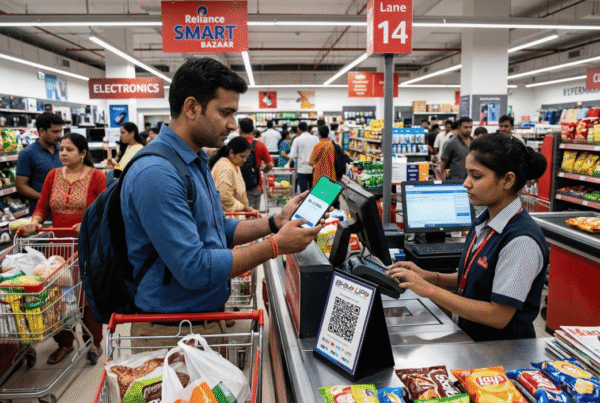
For families, the benefits will be visible straight away in their grocery bills. With many daily-use foods now under the 0% and 5% brackets, monthly expenses are set to reduce without any compromise on quality or hygiene. The move also means more disposable income in hand for other needs.
As prices adjust, consumers will also find more choices in packaged, fortified, and ready-to-cook foods that suit modern lifestyles.
Farmers and MSMEs Get a Boost
Union Minister Chirag Paswan, in his article on GST 2.0, highlighted how the reform will tie farmers’ incomes with the nation’s nutrition needs. Affordable processed foods increase year-round demand for milk, grains, fruits, and spices, cutting wastage and helping farmers earn better prices.
For MSMEs (Micro, Small, and Medium Enterprises), the clearer rate classification and reduced tax burden allow businesses to focus on quality, scale, and growth, boosting competitiveness in both domestic and global markets.
Also Read: Antim Panghal World Wrestling Championships 2025: India Wins Bronze in Women’s Freestyle
Impact on Consumption and Inflation
Analysts believe GST 2.0 will reduce inflation in the short term, especially for food items. While essentials always remain in demand, the extra savings could push households to spend more on comfort and lifestyle products, which may balance out revenue losses for the government over time.
A Reform That Touches Every Home
In his Independence Day address, PM Modi had promised next-generation GST reforms by Diwali. With GST 2.0 now taking effect from September 22, this promise will be visible to every family at the grocery counter.
“By lowering rates on everyday foods and packaging, groceries become more affordable, MSMEs get stronger, farmers gain more income, and India’s food sector becomes globally competitive,” PM Modi said.