While Singapore is often celebrated for its gleaming skyscrapers and world-class shopping destinations, there’s much more beneath its modern façade. The city-state is deeply rooted in history, with a variety of historical places in Singapore that reflect its transformation—from a Malay kingdom to a British colony, through the trials of World War II, and finally into the independent and thriving nation it is today.
Most Captivating Historical Places in Singapore
The Battlebox: War’s Reverberations Below Fort Canning Hill
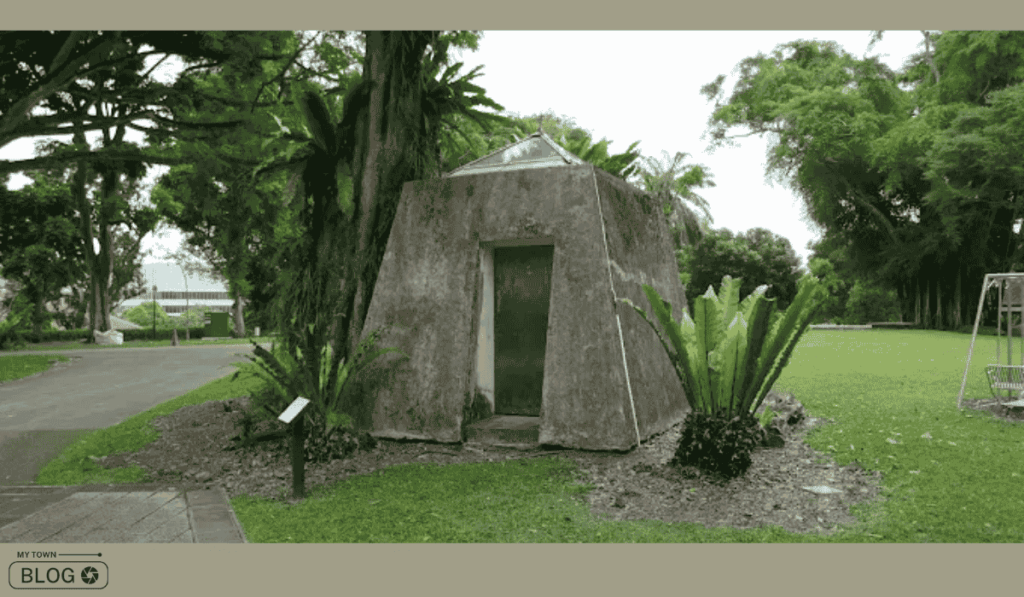
The Battlebox, formerly a British subterranean command post during the Battle for Singapore, is nestled beneath Fort Canning Hill. Today, it’s a museum offering immersive guided tours that walk you through critical wartime decisions, including Singapore’s eventual surrender. Visitors are given a vivid impression of what life was like during those gloomy days of World War II through staged reenactments and live audio narration.
Chijmes: From Sacred Sanctuary to Chic Social Hub
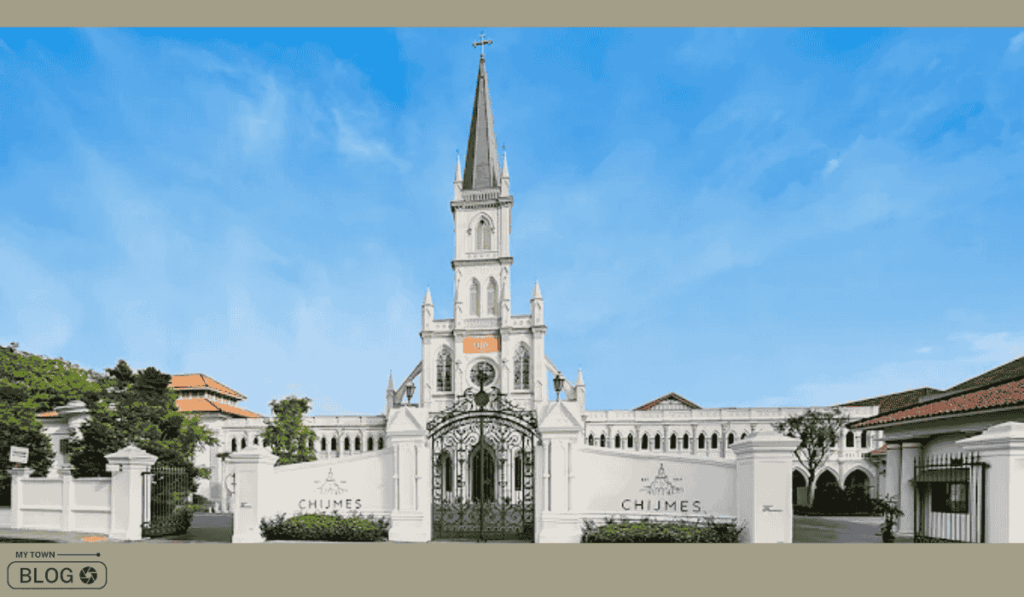
Chijmes, which was once a Catholic convent and girls’ school, has been exquisitely transformed into a sophisticated lifestyle destination. Its Gothic chapel, cloistered hallways, and historic architecture have been preserved, now housing upscale restaurants and event spaces. It’s a brilliant example of how heritage buildings can be adapted for contemporary use without losing their historic charm.
Haw Par Villa: A Surreal Journey Through Chinese Folklore

Haw Par Villa provides a visually stunning tour through more than 1,000 vibrantly painted sculptures and dioramas, unlike any other heritage destination in Singapore. Built by the Aw brothers—creators of Tiger Balm—the park showcases Chinese legends, moral tales, and mythological figures in colorful, often surreal displays. It’s a quirky yet enlightening destination for those interested in traditional Chinese culture.
Sri Mariamman Temple: A Monument to Community and Faith
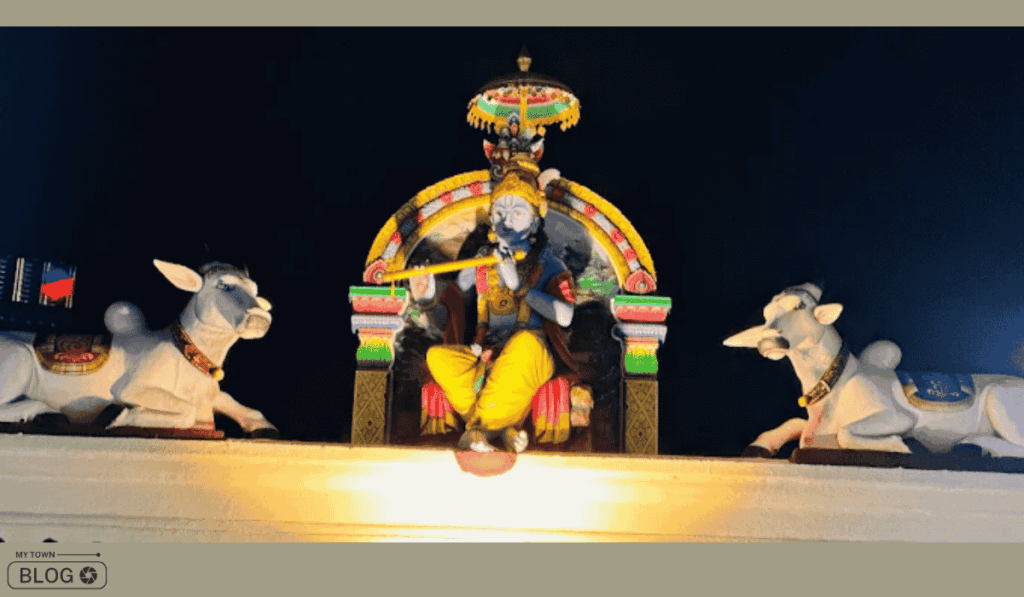
The oldest Hindu temple in Singapore, Sri Mariamman Temple, was established in 1827 and is situated in the center of Chinatown. Known for its elaborate tower with colorful sculptures of deities, the temple continues to be a popular destination for Indians. This place attracts both believers and inquisitive tourists for its celebration of important religious holidays including Deepavali and Thimithi, a firewalking festival.
Thian Hock Keng Temple: Respecting the Sea Goddess
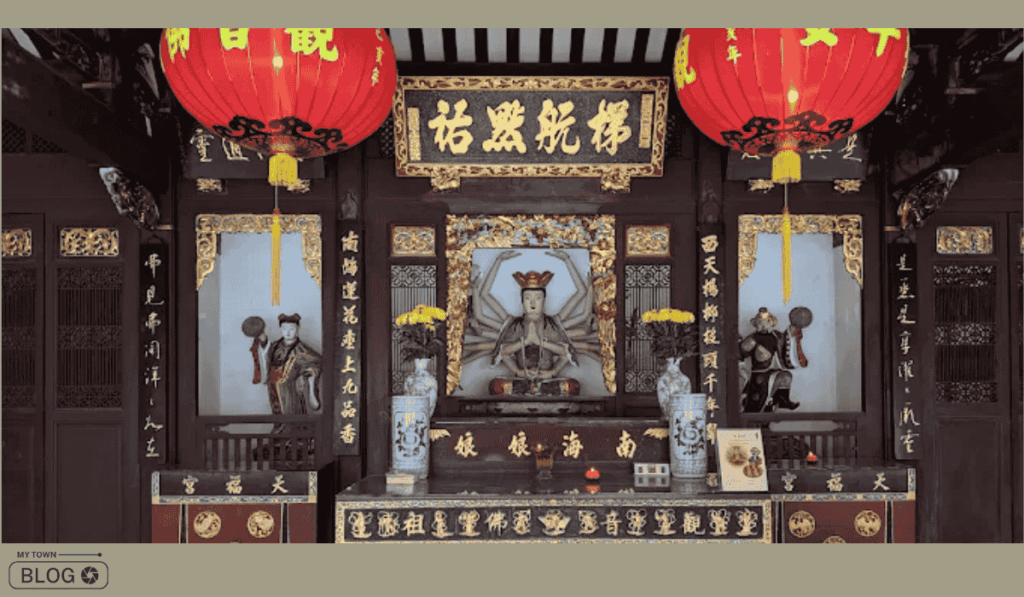
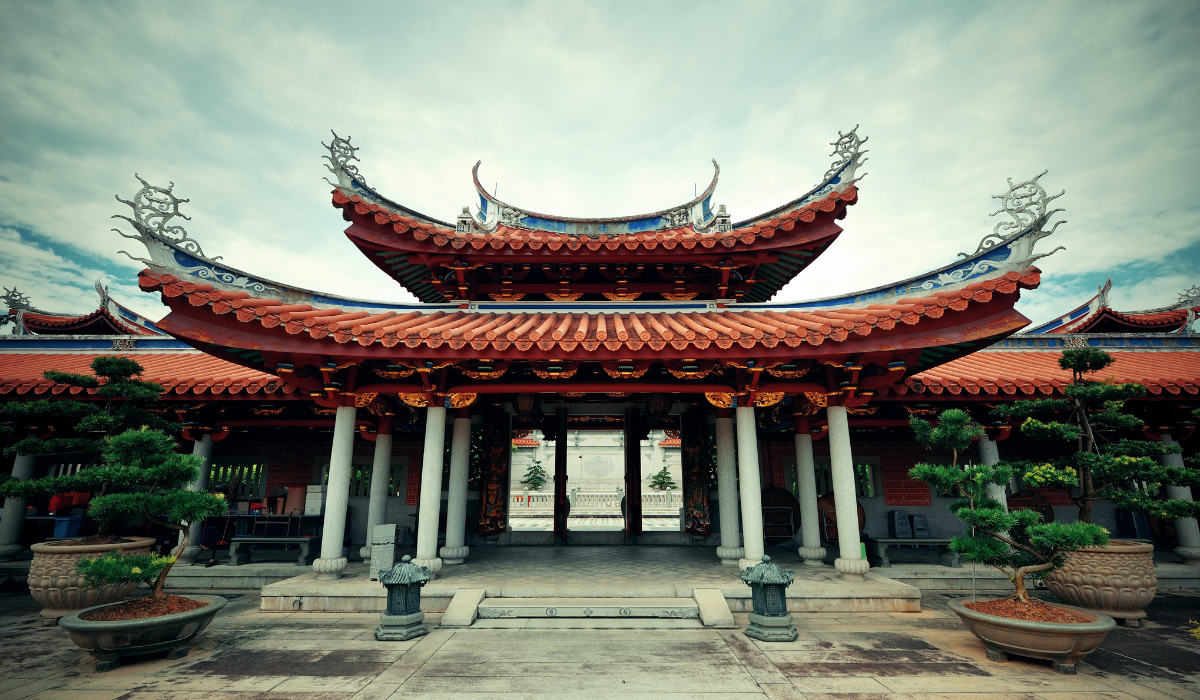
One of Singapore’s earliest Chinese temples, Thian Hock Keng Temple was constructed in the 17th century by early Hokkien immigrants. The temple, which honors Ma Zu Po, the guardian of sailors, has traditional Southern Chinese architectural elements such as intricate woodwork, ceramic tiles, and guardian lions. For those who embarked on dangerous maritime voyages in pursuit of a better life, it acted as a spiritual mooring.
Sultan Mosque: The Center of the Muslim Heritage of Kampong Glam
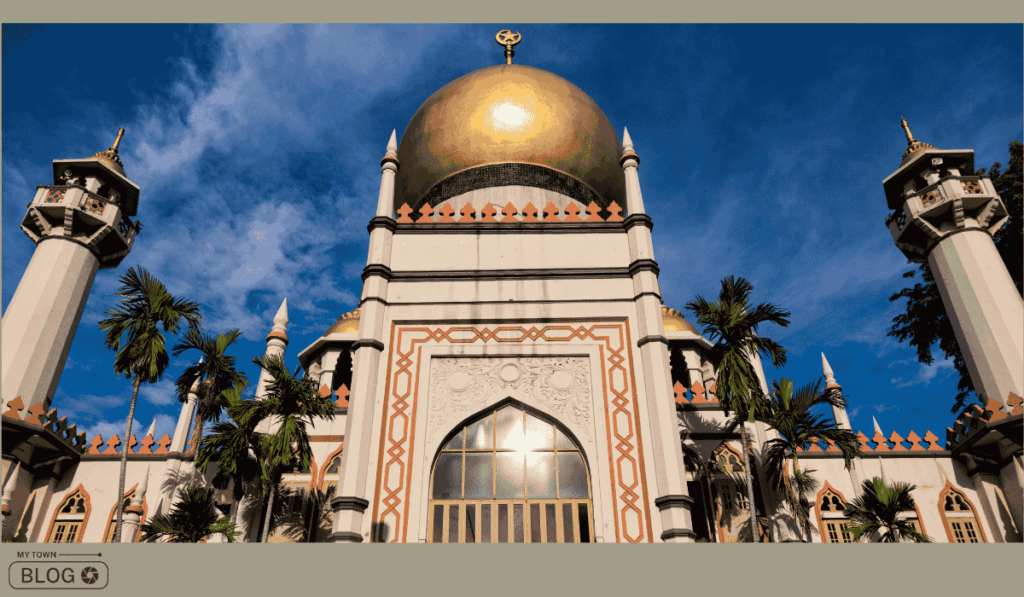
One of Singapore’s most recognizable religious buildings is the Sultan Mosque in Kampong Glam, which stands tall with its shining golden domes. Built in 1824 for Sultan Hussein Shah, the mosque is not just a place of worship but also a cultural symbol of Singapore’s Muslim community. Visitors are welcome to admire both the intricate exterior and the serene, beautifully designed prayer hall.
National Gallery Singapore: Where Art and History Converge
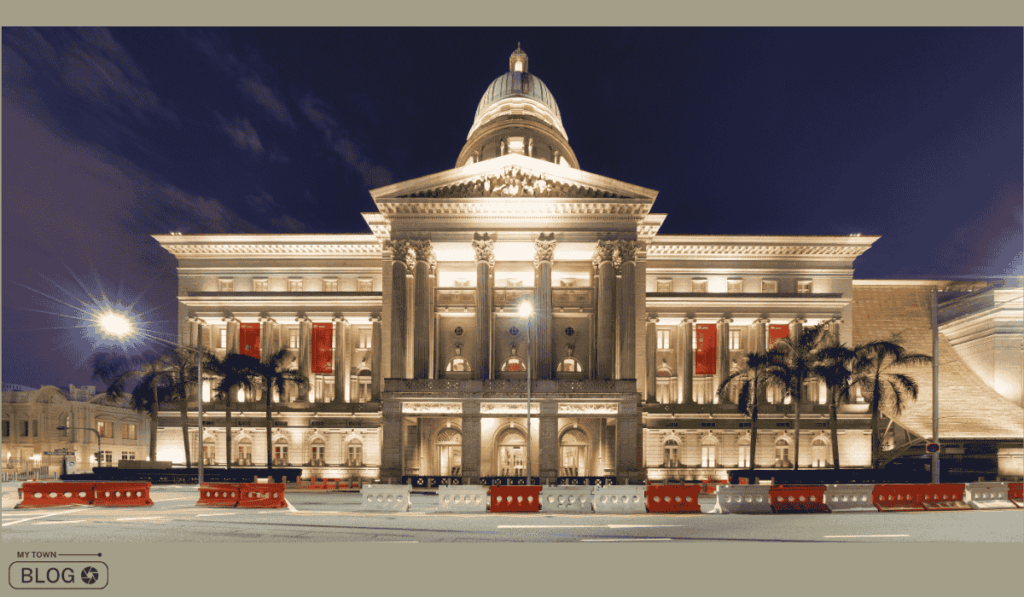
Housed within the former Supreme Court and City Hall buildings, the National Gallery Singapore is a must-visit for lovers of art and architecture. The museum holds the world’s largest public collection of modern Southeast Asian art, highlighting both historical narratives and contemporary issues. It is a potent venue that honors Singapore’s cultural and creative development.
The Civilian War Memorial: A Symbol of Unity and Remembrance
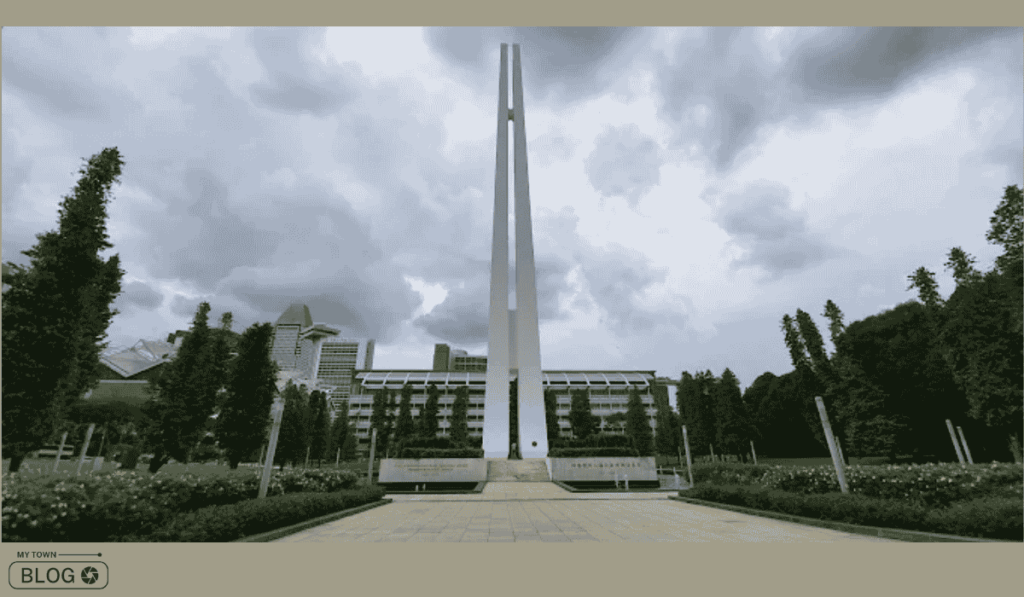
Nicknamed “The Chopsticks” because of its four towering pillars, the Civilian War Memorial honors those who lost their lives during the Japanese occupation in World War II. The structure represents the shared suffering and resilience of Singapore’s major ethnic groups. It stands as a solemn reminder of unity and strength during one of the nation’s darkest chapters.
Raffles Hotel: Colonial Elegance and Timeless Luxury
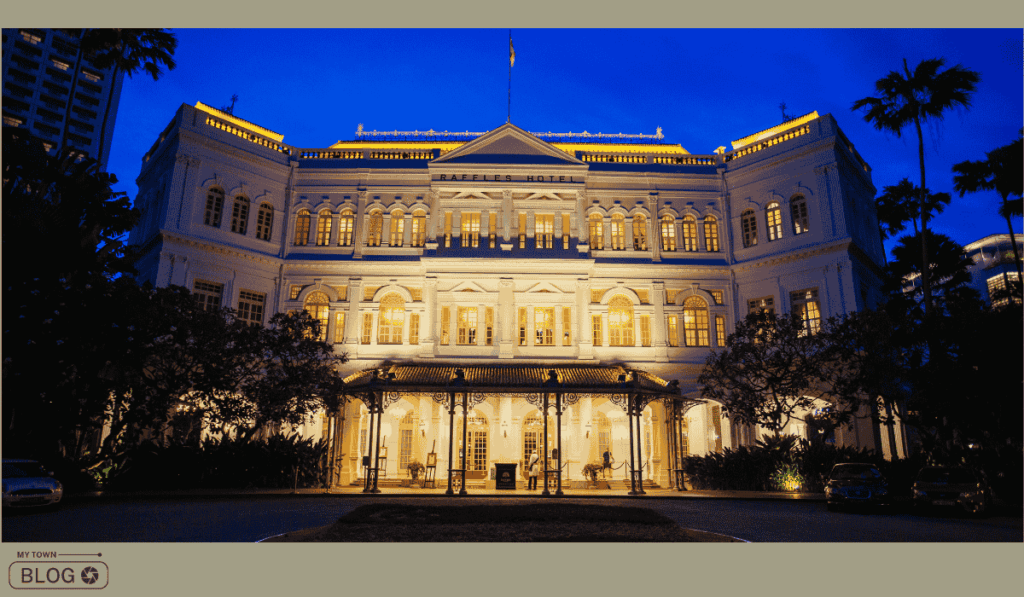
An enduring emblem of colonial-era opulence, Raffles Hotel has hosted literary giants, film stars, and royalty since its opening in the 19th century. With its grand verandas, white colonnades, and palm-lined courtyards, the hotel exudes timeless charm. Be sure to stop by the Long Bar to try the world-famous Singapore Sling—right where it was originally created.
Fort Canning Park: Where Nature and History Meet
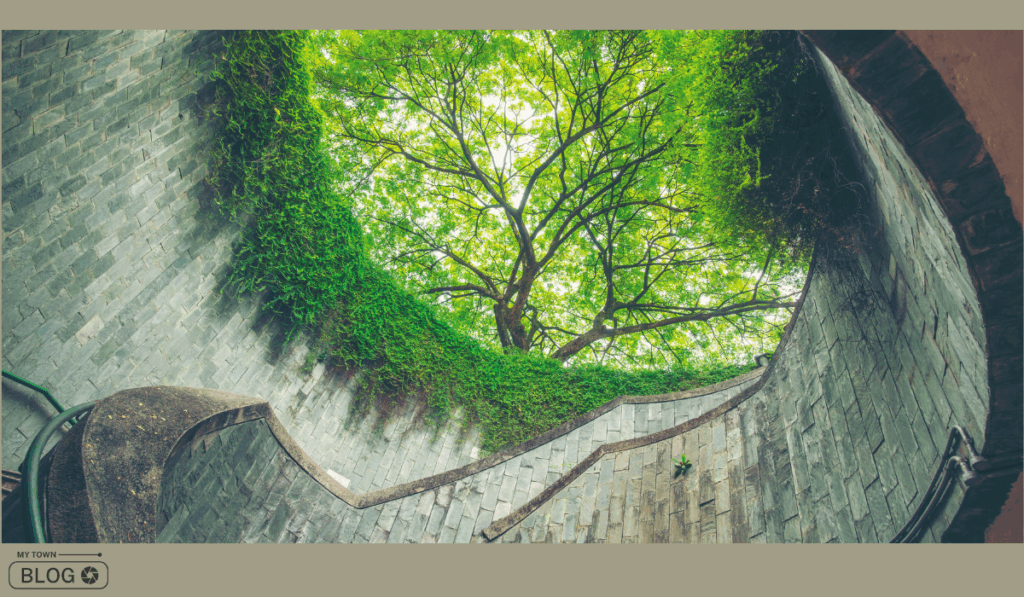
Nestled in the heart of the city, Fort Canning Park is a green oasis rich in historical significance. Once the seat of ancient Malay rulers and later a key British military base, the park is filled with historical landmarks, including the Fort Gate, old bunkers, and archaeological digs that have revealed 14th-century artifacts. It’s a peaceful place where visitors can walk through Singapore’s layered past under a canopy of trees.
Final Thoughts
Singapore’s history is interwoven throughout the city and is not just found in textbooks or museums. Whether you’re a history buff or a casual explorer, these historical places in Singapore offer a deeper look at the cultural, spiritual, and political forces that shaped the nation into the global city it is today.
Before you go, check out our other article as well!
Reach out to MyTownBlog to discuss featuring guest posts!