Tragic Incident Shakes Pharma Industry
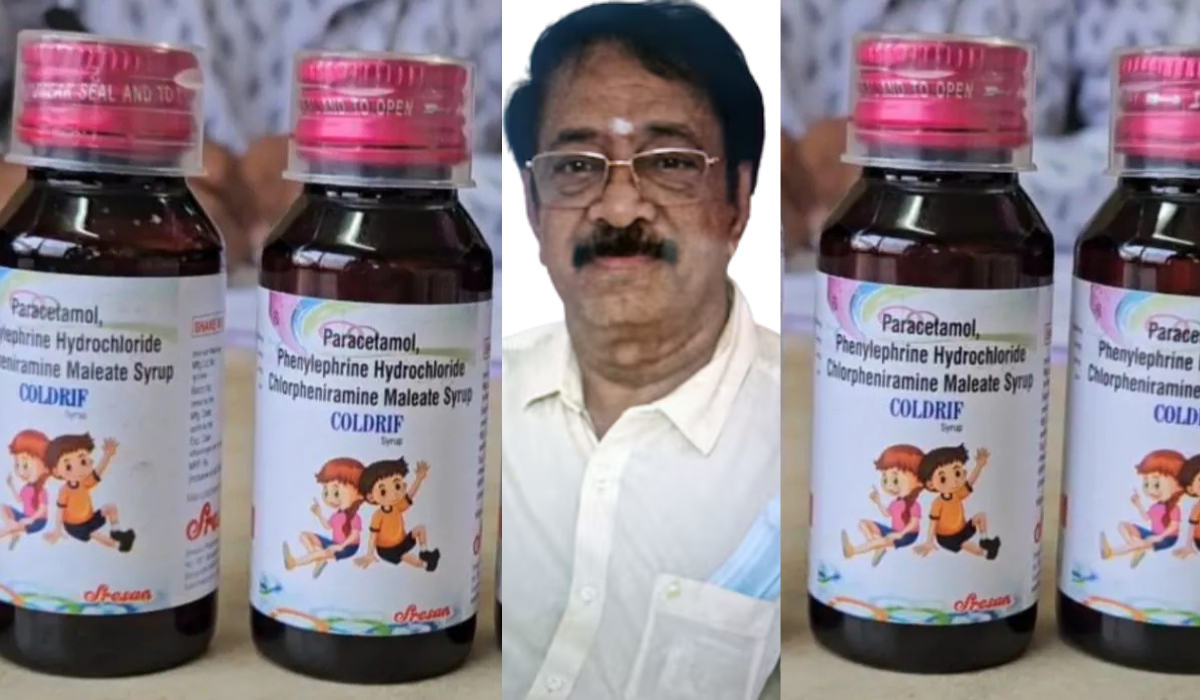
The Indian pharmaceutical industry has been shaken by a tragic incident involving the cough syrup Coldrif, manufactured by Sresan Pharmaceuticals. The syrup has been linked to the deaths of several children in Madhya Pradesh. The company’s owner, G. Ranganathan, was arrested in Chennai by Madhya Pradesh police after investigations revealed the syrup contained toxic diethylene glycol (DEG), a chemical that is highly poisonous if ingested.
The tragedy unfolded when parents reported sudden illnesses and deaths among children who had recently consumed Coldrif syrup. These incidents prompted a nationwide investigation into the company’s practices and quality control standards.
Timeline of Events
- Initial Deaths Reported – In Madhya Pradesh, children under the age of five began falling ill with symptoms including vomiting, kidney failure, and severe dehydration. Local hospitals noticed a pattern among the cases, linking them to recent consumption of Coldrif syrup.
- Laboratory Analysis – Samples of the syrup were tested in state laboratories, which confirmed that the syrup contained extremely high levels of diethylene glycol (DEG), a toxic industrial chemical that should never be present in medicines. DEG can cause kidney damage, liver failure, and neurological complications.
- Immediate Action by Authorities – Following the discovery, authorities in Madhya Pradesh issued a ban on the sale, purchase, and use of Coldrif syrup. Seizures were conducted in multiple districts, including Chhindwara, where over 400 bottles were recovered.
Details of the Arrest
On the basis of the ongoing investigation, G. Ranganathan, the owner of Sresan Pharmaceuticals, was arrested in Chennai. He is facing charges under the Drugs and Cosmetics Act, including:
- Adulteration of medicines
- Culpable homicide not amounting to murder
- Negligence leading to multiple deaths
Authorities have confirmed that the company failed to follow mandatory testing procedures, resulting in the distribution of a lethal batch of syrup. Tamil Nadu’s Drugs Control Department also seized remaining stocks from the company’s facility and issued show-cause notices.
Deaths and Public Response
As per reports, 17 children have died so far after consuming the toxic syrup. Families affected by the tragedy have expressed shock and grief, while public outrage has grown over pharmaceutical safety standards. Several state governments, including Madhya Pradesh, Kerala, and Tamil Nadu, have announced compensation and medical support for affected families.
Public protests and online campaigns have demanded stricter oversight of pharmaceutical companies and harsher penalties for negligence.
Regulatory Oversight and Lapses
The Coldrif tragedy has highlighted significant gaps in India’s pharmaceutical regulatory system. Investigations revealed that:
- Several pharmaceutical firms did not perform required quality tests on raw materials and finished products.
- Certain batches of Coldrif syrup had 48.6% diethylene glycol, far exceeding safe limits.
- The central and state regulators had limited real-time monitoring capabilities, which delayed detection of adulteration.
Following the incident, the CDSCO has urged all states to audit pharmaceutical manufacturing units, particularly those producing over-the-counter cough syrups, to prevent future tragedies.
Legal Proceedings and Charges
Ranganathan faces multiple charges, including:
- Adulteration of medicines
- Culpable homicide not amounting to murder
- Violations under the Drugs & Cosmetics Act
If convicted, he could face 10 years to life imprisonment, along with substantial fines. A Public Interest Litigation (PIL) has been filed in the Supreme Court of India, seeking an immediate ban on Coldrif syrup and a thorough investigation into the regulatory lapses that allowed such a tragedy to occur.
Also Read: Punjabi Singer Rajvir Jawanda Dies at 35 After Road Accident
Impact on India’s Pharma Industry
The Coldrif case has raised global concern about drug quality standards in India, one of the world’s largest pharmaceutical exporters. The incident has affected public trust, with potential repercussions for both domestic and international markets.
Pharma experts believe that this tragedy will accelerate reforms in:
- Mandatory testing and certification processes
- Stricter inspections of pharmaceutical companies
- Improved traceability of raw materials
- Greater accountability for executives and manufacturers
The World Health Organization (WHO) is reportedly monitoring the situation to determine if the syrup has been exported to other countries.
Government Measures and Compensation
- Madhya Pradesh has announced financial assistance and healthcare support for affected families.
- Other states have banned the sale and distribution of Coldrif syrup.
- Authorities are tracking the distribution network of the syrup to prevent further cases.
Conclusion
The Coldrif syrup tragedy is a sobering reminder of the critical importance of pharmaceutical safety. The arrest of Sresan Pharma’s owner, G. Ranganathan, represents the first major step toward justice. However, the incident underscores the need for stronger regulatory oversight, stricter quality control measures, and accountability across the industry to prevent similar tragedies in the future.