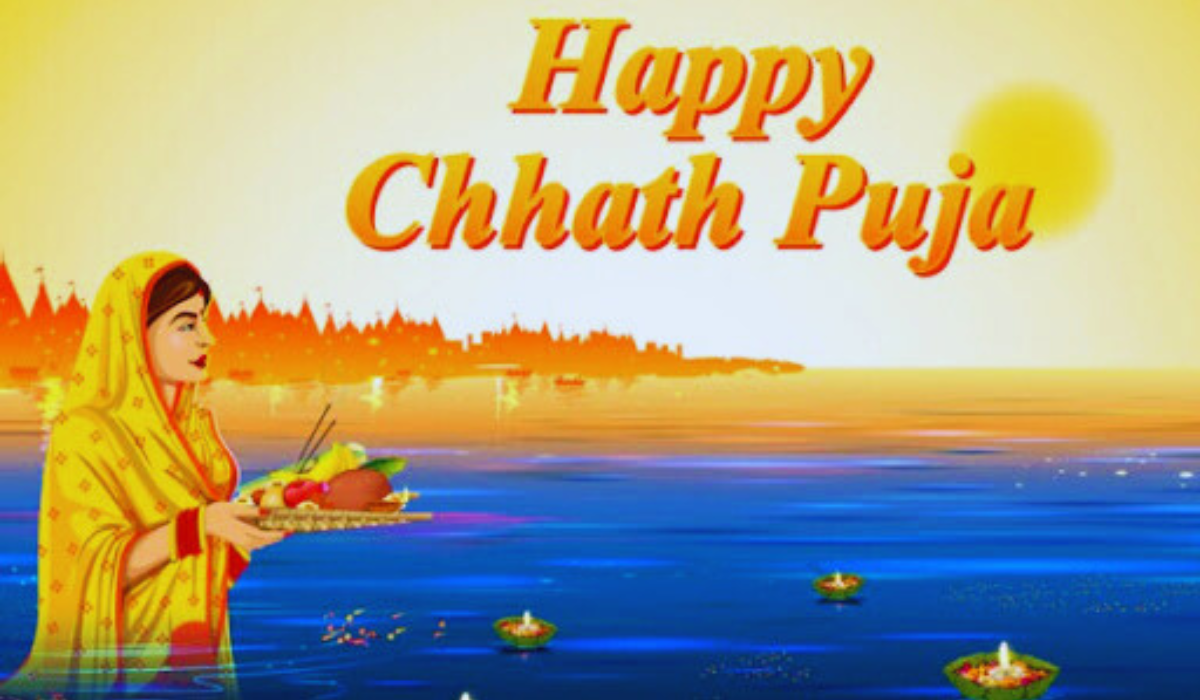
Chhath Puja is one of the most revered and vibrant festivals in India, celebrated with deep devotion, discipline, and joy. “This four-day festival follows shortly after Diwali and honors Lord Surya (Sun God) and Chhathi Maiya (Usha). In 2025, devotees will observe Chhath Puja from 25th October to 28th October, coming together with their families and communities to pray for health, prosperity, and happiness.”
.
Celebrated mainly in Bihar, Jharkhand, Uttar Pradesh, West Bengal, and parts of Nepal, Chhath Puja is a festival of gratitude, purity, and spiritual discipline. The festival’s rituals are unique, emphasizing cleanliness, fasting, and offerings to the Sun God for sustaining life on Earth.
How Chhath Puja is Celebrated
Devotees follow strict rituals and perform devotional practices during Chhath Puja. The main participants, known as Parvaitins, observe fasting, prayers, and offerings, seeking blessings for the well-being of their family members. Devotees prepare special foods, called prasad, which include Thekua, Kheer, rice laddoo, bananas, sugarcane, and sweet lime.
The festival’s rituals emphasize:
- Purity and cleanliness in preparation and observance
- Devotion and discipline in fasting and prayer
- Community participation, with gatherings at riverbanks and ponds
Day-wise Rituals of Chhath Puja
Day 1: Nahay Khay (Chaturthi)
The festival begins with Nahay Khay, which literally means “bathe and eat.” Devotees take a holy dip in rivers or ponds and prepare a sattvic meal at home, avoiding onion, garlic, and non-vegetarian foods. Traditional meals include:
- Lauki curry
- Kaddu bhat with chana dal
- Roti
Women observing the fast consume only one meal, signifying purity and devotion.
Day 2: Lohanda or Kharna (Panchami)
On the second day, Lohanda or Kharna, devotees observe Nirjala fasting; that is, they abstain from even water until sunset. Then, after offering prayers to the Sun God, they break the fast with offerings such as:
- Kheer
- Rice
- Bananas and seasonal fruits
After consuming prasad, the fast continues for 36 hours, reflecting discipline and faith.
Day 3: Sandhya Arghya (Shashthi)
The third day is the main day of Chhath Puja, known as Sandhya Arghya. Devotees carry their offerings to the riverbanks or ponds, where they stand in water to offer arghya to the setting sun. The prasad baskets are filled with:
- Sweets like Thekua and laddoo
- Seasonal fruits
- Rice and other traditional offerings
This day symbolizes gratitude and devotion to the Sun God, who is believed to sustain life on Earth.
Also Read: Kedarnath Dham Closed Doors 2025 as Lord Mahakal Moves to Ukhimath
Day 4: Usha Arghya & Parana (Saptami)
The final day starts before sunrise with Usha Arghya, where devotees offer prayers to the rising sun. After completing the rituals, the 36-hour fast is broken, and families celebrate by sharing prasad and spreading joy. This day marks the end of the festival, reinforcing the themes of gratitude, health, and prosperity.
Significance of Chhath Puja
Chhath Puja is not just a religious festival; it is a celebration of faith, discipline, and connection with nature. The Sun God is revered for:
- Sustaining life on Earth
- Bringing energy, health, and positivity
- Ensuring prosperity and well-being for families
By observing strict rituals and fasting, devotees express gratitude and respect for nature, emphasizing cleanliness, devotion, and self-discipline.