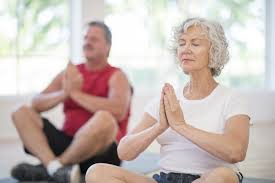
Mindfulness stress relief practices help reduce anxiety, calm your mind, and improve overall well-being. By incorporating mindfulness stress relief practices into your daily routine, you can experience greater focus, relaxation, and emotional balance with simple, easy-to-follow techniques.
What is Mindfulness?
Mindfulness is a meditation technique that encourages full awareness of your current thoughts, feelings, and bodily sensations without judgment. It involves experiencing the present moment as it is, rather than analyzing or interpreting it. Mindfulness can include activities such as deep breathing exercises, visualization, or other relaxation methods that help reduce stress and improve focus.
By practicing mindfulness, we learn to divert attention away from negative thoughts and constant planning, allowing us to engage fully with the world around us. This simple shift can greatly benefit both mental and physical health.
Mindfulness Activities for Stress Relief
Introducing mindfulness into everyday life doesn’t have to be complicated. Some simple activities that can help manage stress include:
- Focusing on Your Breath
- Body Scan Meditation
- Mindful Eating
- Walking, Yoga, or Gardening
- Listening to Music Attentively
- Loving-Kindness Meditation
- Journaling or Deep Breathing Exercises
Mindful Meditation Practices
Here are some mindfulness exercises you can try:
Mindful Breathing
Pay attention to your breath by taking slow, deep inhalations and exhalations. Observe the air entering and leaving your lungs. If your mind wanders, gently bring your focus back to your breath. This practice can immediately reduce stress, ease anxiety, and create a sense of calm.
Body Scan Meditation
A body scan involves mentally moving your focus from the top of your head to your toes, observing each area for sensations, tension, or relaxation. If you notice tightness in any part of your body, release it gradually with your breath. This exercise helps you connect with your body, recognize stress points, and relax deeply.
Mindful Eating
Eat slowly and pay full attention to your food. Notice the colors, textures, and aroma, and savor each bite. Mindful eating can improve digestion, help you enjoy meals more, and prevent overeating.
Walking Meditation
Transform a normal walk into a mindfulness exercise by focusing on each step and your surroundings. Walking meditation helps release negative thoughts, keeps you grounded in the present moment, and provides gentle physical activity.
Gratitude Practice
Spend a few minutes each day noting or reflecting on at least three things you are thankful for. These could be small moments, like enjoying a cup of tea, or bigger achievements. Practicing gratitude encourages positivity, reduces stress, and enhances emotional well-being.
Daily Mindfulness Habits
Simple daily routines can be turned into mindfulness exercises:
- Mindful Eating: Savor your food and notice every sensation.
- Mindful Walking: Focus on your steps and surroundings.
- Mindful Hobbies: Immerse yourself fully in hobbies like gardening, painting, or playing music.
Adding Mindfulness to Your Day
- Yoga and Tai Chi: Synchronize movement with your breath and present-moment awareness.
- Deep Breathing: Take slow, controlled breaths to trigger relaxation.
- Mindful Self-Care: Activities like reading, bathing, or listening to calming music can help you stay present.
Mindfulness for Adults
Adults can benefit significantly from mindful practices. Some useful exercises include:
- Gratitude List: Write 3–5 things you’re thankful for each day.
- Walking Meditation: Focus on each step and sensation while walking.
- Mindful Driving: Pay attention to your vehicle, the road, and surroundings.
- Single-Tasking: Concentrate on one task at a time while noticing your breath and body.
- Mindful Gardening: Connect with nature by observing plants, feeling soil, and noticing the weather.
How Often Should You Practice Mindfulness?
The frequency of mindfulness exercises depends on the type of practice. Simple techniques like mindful breathing can be done anytime, while structured exercises like body scans may need quiet and dedicated time. For best results, aim for daily practice. Over time, mindfulness becomes a natural and effortless part of life.
Conclusion
Mindfulness is more than just a trend—it’s a practical method to reduce stress, improve focus, and enhance overall well-being. Suitable for people of all ages, mindfulness exercises are simple, engaging, and adaptable to daily routines. By incorporating mindful breathing, meditation, eating, and other activities, you can reconnect with yourself and experience life with greater calm, focus, and presence.
Before you go, check out our other article as well!
How to Prepare for Kanwar Yatra 2025: Routes, Essentials, and Tips
Reach out to MyTownBlog to discuss featuring guest posts