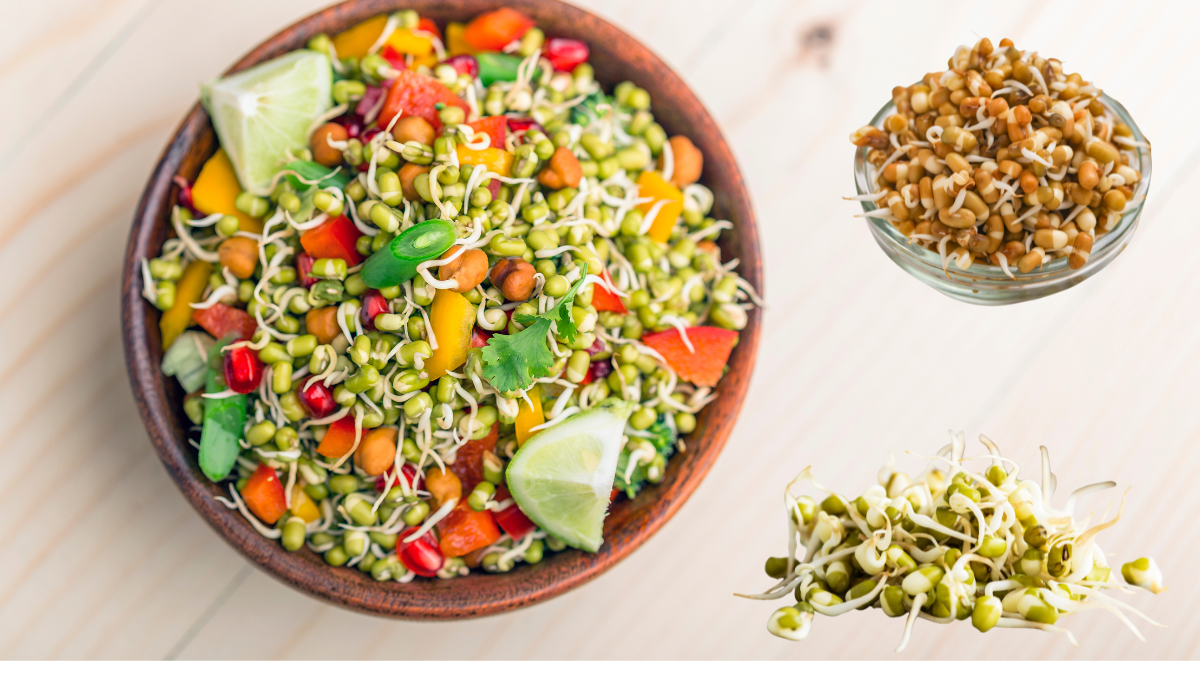
Bean sprouts are the tender, edible shoots that grow from sprouted beans. Known for their crunchy texture and mild nutty flavor, they are a staple ingredient in many Asian cuisines. Whether tossed in stir-fries, added to soups, or sprinkled on fresh salads, bean sprouts bring both taste and health benefits to your plate.
What Are Bean Sprouts?
Bean sprouts are simply beans that have germinated and grown into young shoots. While several beans can be sprouted, the most popular varieties are mung beans and soybeans. You’ll often see them in grocery stores, but they are also easy to grow at home with just seeds, water, and a dark container.
Bean Sprouts vs. Alfalfa Sprouts
Sprouts can come from many sources—beans, vegetables (like broccoli or mustard greens), grains, and even nuts.
- Mung bean sprouts are thicker, juicy, and perfect for stir-frying.
- Alfalfa sprouts are thinner with a grassy taste and are often used in sandwiches and wraps.
Health Benefits of Bean Sprouts
Support Healthy Blood Pressure
Bean sprouts contain natural proteins called peptides that may help lower high blood pressure. While not a substitute for prescribed medicine, they can support heart health when included in a balanced diet.
May Reduce Cancer Risk
Certain nutrients in bean sprouts are believed to slow the growth of cancer cells. Research shows potential benefits against cancers like breast, digestive system, and leukemia.
Improve Digestion
Rich in fiber, bean sprouts act like a natural scrub brush for your digestive system. Fiber helps move waste smoothly, prevents constipation, and keeps your gut healthy.
Boost Heart Health
Sprouts may help balance cholesterol levels by lowering bad LDL cholesterol and triglycerides while raising good HDL cholesterol. This helps prevent plaque buildup in arteries and supports overall cardiovascular health.
Reduce Inflammation
Compounds in bean sprouts may regulate immune responses, reducing inflammation. This can support people with diabetes, obesity, and even some autoimmune conditions.
Diabetes-Friendly
With a low glycemic index, bean sprouts don’t spike blood sugar levels. Studies also suggest mung beans may help regulate glucose and insulin.
Nutritional Value of Bean Sprouts
One cup of mung bean sprouts (about 100 g) provides:
- Calories: 31
- Protein: 3 g
- Fat: 0 g
- Carbohydrates: 6 g
- Fiber: 2 g
- Sugar: 4 g
They are also rich in:
- Vitamin C (immunity booster)
- Calcium (strong bones and teeth)
- Iron (healthy blood circulation)
How to Eat Bean Sprouts
Bean sprouts can be enjoyed raw or cooked:
- Toss them into stir-fries with noodles and vegetables.
- Add them to soups, spring rolls, or rice dishes.
- Sprinkle fresh sprouts over salads for extra crunch.
Always store sprouts in the refrigerator and choose ones that look fresh, white, and crisp. Avoid slimy or musty sprouts.
How to Grow Bean Sprouts at Home
Growing sprouts is simple and fun:
- Wash 2 ounces of mung beans and soak overnight.
- Drain and place them in a jar covered with cheesecloth.
- Rinse with clean water 2–3 times daily and keep in a dark, warm place.
- In 3–7 days, sprouts will be ready. Wash off seed coats, drain, and refrigerate.
Health Risks of Bean Sprouts
While nutritious, raw sprouts can sometimes carry harmful bacteria like salmonella or listeria, since they grow in warm and humid conditions. To reduce risk:
- Cook sprouts before eating.
- Buy pathogen-free sprouting seeds if growing at home.
- Avoid slimy, moldy, or smelly sprouts.
Who Should Avoid Raw Sprouts?
Certain groups are more vulnerable to foodborne illness:
- Children
- Pregnant women
- Older adults
- People with weak immune systems
For these individuals, only eat cooked sprouts.
Also Read: High-Protein Breakfast Foods, According to a Dietitian
How to Tell If Bean Sprouts Have Gone Bad
Fresh sprouts are crisp, white, and smell clean. Discard sprouts if they:
- Look slimy
- Smell bad or musty
- Have dark spots or mold
Always rinse before eating and keep them refrigerated for freshness.
Final Takeaway
Bean sprouts are a healthy, low-calorie food that adds crunch and nutrients to your meals. They’re packed with vitamin C, fiber, and antioxidants, which support digestion, heart health, and immunity. However, since raw sprouts may carry bacteria, it’s safest to cook them—especially for vulnerable groups.
By buying fresh sprouts or growing them at home, you can enjoy this superfood in salads, stir-fries, soups, and more.