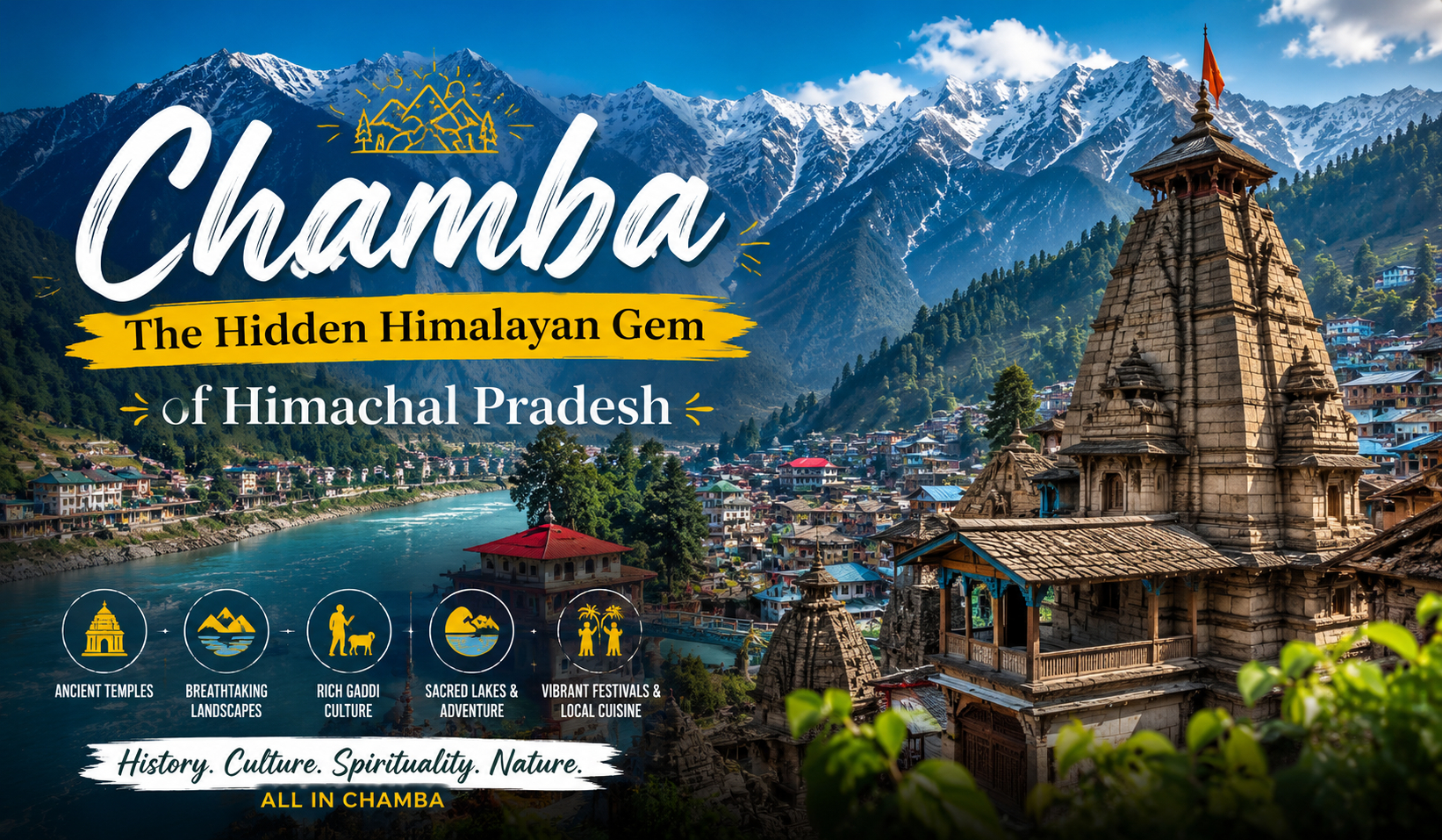
Chamba – The Hidden Himalayan Gem
Discover the untouched beauty of Himachal Pradesh where ancient temples,
Himalayan valleys, Gaddi culture, and spiritual traditions blend together
in perfect harmony.

Chamba – The Cultural Heart of Himachal
Chamba is one of Himachal Pradesh’s most culturally rich and visually stunning districts,
tucked away in the northwestern Himalayas.
Often overshadowed by more commercial hill stations, Chamba quietly preserves its
ancient temples, Himalayan landscapes, traditional lifestyles, and the deeply rooted
Gaddi tribal culture.
It is a destination where history, mythology, and mountain life blend seamlessly.

A Glimpse Into Chamba’s History
The history of Chamba goes back more than a thousand years.
It was founded by Raja Sahil Varman in the 10th century.
According to legend, the town was named after his daughter, Champavati.
The region later developed into a princely state known for its art,
architecture, and devotion to Hindu traditions.
Even today, the old town of Chamba reflects this heritage through its temples,
wooden architecture, and narrow lanes that feel frozen in time.
Must-Visit Places In Chamba

1. Chamba Town
The heart of the district, Chamba town sits on the banks of the Ravi River.
It is famous for temples, traditional handicrafts, and the historic Chaugan ground.

2. Chaurasi Temple Complex
One of the most important spiritual landmarks dedicated to Lord Shiva
and other Hindu deities. The architecture reflects ancient North Indian temple style.
3. Kugti
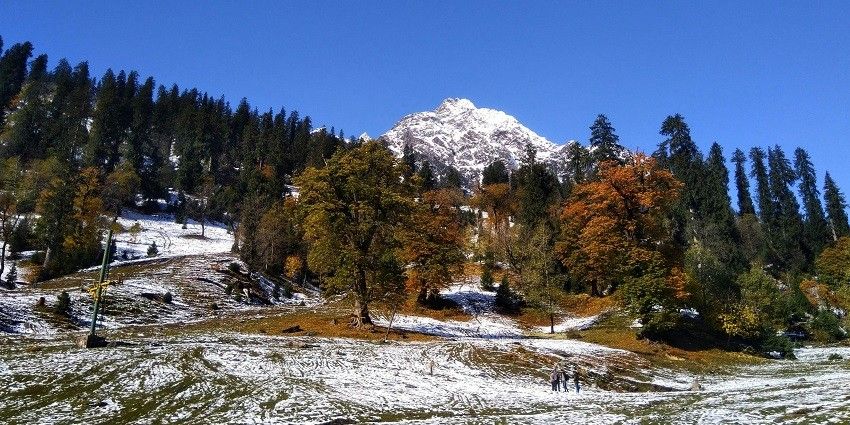
Kugti, the last village in the Bharmour region before Lahaul Valley,
is deeply influenced by Gaddi shepherd culture and Himalayan traditions.

4. Manimahesh Lake
Manimahesh is one of the most sacred and breathtaking pilgrimage
destinations in Himachal Pradesh associated with Lord Shiva.

5. Khajjiar
Popularly known as the “Mini Switzerland of India,” Khajjiar is famous
for lush meadows, forests, horse riding, and scenic beauty.

6. Dalhousie
A colonial-era hill station known for pine-covered valleys,
British architecture, and peaceful mountain atmosphere.

Gaddi Culture – The Soul of Chamba
The Gaddis are semi-nomadic shepherds who migrate with their sheep and goats
between Himalayan pastures and valleys.
Their culture is deeply spiritual and closely connected to nature.
Traditional attire, folk music, dances, and devotion to Lord Shiva
define their unique identity.
The Gaddi lifestyle is not just a tradition but a living heritage
still thriving in remote villages of Chamba.
Famous Food Of Chamba
Chamba Rajma
Traditional kidney beans cooked with rich Himalayan spices.
Madra
Yogurt-based Himachali curry made with chickpeas and spices.
Siddu
Steamed wheat bread stuffed with flavorful fillings.
Babru
Traditional Himachali version of crispy kachori.
Best Time To Visit Chamba
The best time to visit Chamba is between March and June for pleasant weather
and sightseeing. September to November is also ideal for trekking and cultural
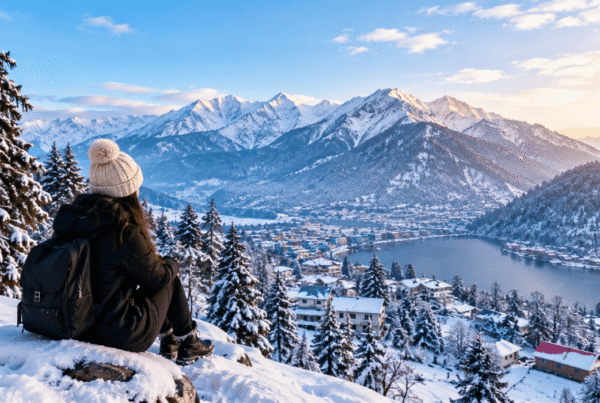
experiences, while winters bring beautiful snowfall to higher regions.
Why Chamba Should Be On Your Travel List
Chamba is not just a destination — it is an experience of untouched Himalayan life.
From sacred temples and alpine meadows to tribal traditions and peaceful valleys,
it offers something far deeper than typical tourist destinations.
If you are looking for a place where spirituality meets nature,
and where culture is still alive in its purest form,
Chamba is that rare Himalayan gem waiting to be explored.
Post Views: 533