India is home to some of the world’s most fascinating forests, biosphere reserves, and national parks. From mangrove deltas and sacred groves to tiger reserves and lion habitats, every corner of the country hides an ecological treasure waiting to be explored. Whether you’re an adventure lover, a wildlife enthusiast, or someone seeking peace in nature, these top 10 forests and parks in India will give you an unforgettable experience.
Sundarbans, West Bengal
The Sundarbans is the world’s largest active delta and a UNESCO World Heritage Site. Spread across India and Bangladesh, this mangrove forest is named after the Sundari trees. It covers about 40,000 sq. km with 102 islands, out of which 54 are inhabited. It is famous for the Royal Bengal Tiger and over 260 species of birds.
- Best Time to Visit: September to March
- Where to Stay: Gosaba Island
- Things to Do: Boat safari through creeks, birdwatching at Sajnekhali Sanctuary, visit the Bhagabatpur Crocodile Project, enjoy a glowing night safari with phytoplankton.
Jim Corbett National Park, Uttarakhand
Founded in 1936, Jim Corbett is India’s oldest national park and the first under Project Tiger. Rich in wildlife, it has 580 bird species, 50 mammals, and 25 reptile species.
- Best Time to Visit: November to February
- Things to Do: Jeep, Canter, or Elephant safaris in tiger country.
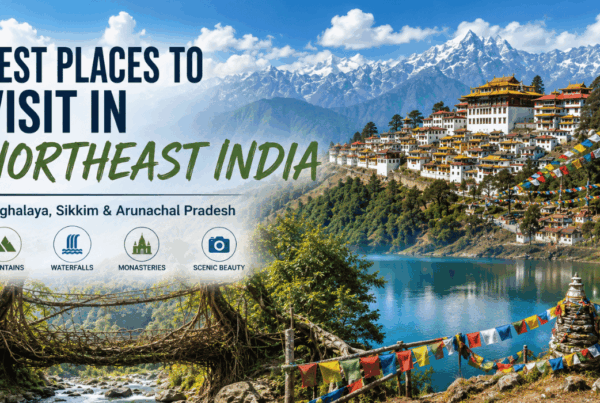
Khasi Hills, Meghalaya
Known as the “Scotland of the East,” the Khasi Hills are blessed with misty mountains, waterfalls, and the matrilineal Khasi tribe’s unique culture. Cherrapunjee, one of the wettest places on Earth, lies here.
- Best Time to Visit: September to March
- Things to Do: Trek to waterfalls, walk on living root bridges, and explore Khasi traditions.
Kanha National Park, Madhya Pradesh
The inspiration behind The Jungle Book, Kanha is one of India’s most popular tiger reserves. It also saved the endangered Barasingha, now its official mascot.
- Best Time to Visit: Mid-October to June
- Things to Do: Jeep safaris, sunset views, nature trails, visit the Kanha Museum.
Pichavaram Mangrove Forest, Tamil Nadu
The second-largest mangrove forest in the world, Pichavaram is dotted with 50 islands and 4,400 water channels. It served as a natural tsunami shield in 2004 and remains a peaceful, hidden paradise.
- Best Things to Do: Boat rides through narrow waterways, photography, and exploring birdlife.
Gir National Park, Gujarat
The pride of Gujarat, Gir is the only natural habitat of Asiatic Lions outside Africa. Thanks to strong conservation, their numbers have grown from just 20 in 1913 to a healthy population today.
- Area: 1,412 sq. km
- Best Time to Visit: November to March
- Things to Do: Lion-tracking safaris, jeep tours, spot antelopes and leopards.
Nilgiri Biosphere Reserve
At the meeting point of the Eastern and Western Ghats, the Nilgiris or “Blue Mountains” form one of India’s richest ecological zones. It is home to over 3,500 species of flowering plants and several indigenous tribes.
- Best Time to Visit: Year-round
- Things to Do: Explore Silent Valley, Bandipur, Mudumalai, Wayanad, and Nagarhole national parks.
Mawphlang Sacred Forest, Meghalaya
This mystical forest, spread over 192 acres, is protected by Khasi traditions. Locals believe the guardian spirit Labasa resides here. Nothing can be taken from the forest—not even a leaf.
- Best Time to Visit: October to March
- Things to Do: Trek through ancient groves, spot sacred monoliths, and learn Khasi forest rituals.
Also Road: Nature Walks: Your Path to Improved Health, Mindfulness, and Serenity
Namdapha National Park, Arunachal Pradesh
India’s fourth-largest national park, Namdapha lies in the Eastern Himalayas. From bamboo groves to alpine meadows, it shelters over 2,400 plant and animal species.
- Area: 1,985 sq. km
- Best Time to Visit: October to March
- Things to Do: Trekking, eco-camping, and wildlife photography.
Saranda Forest, Jharkhand
Meaning “forest of seven hundred hills,” Saranda is rich in sal trees, mineral deposits, and tribal culture. It was once the royal hunting ground of the Singh Deo dynasty and is home to the Ho tribe.
- Area: 820 sq. km
- Best Time to Visit: February to April
- Things to Do: Jeep safaris, iron ore trail treks, cultural experiences with local tribes.
Final Thoughts
From the mighty Sundarbans to the mystical forests of Meghalaya, India’s natural heritage is as diverse as its culture. Each of these destinations offers a chance to connect with nature, witness rare wildlife, and immerse yourself in unique traditions. So, pack your bags and step into the wild—you’ll return with memories for a lifetime.