Beans are one of the most popular foods around the world, especially among vegetarians and vegans. They are packed with plant-based protein, fiber, vitamins, and minerals that support overall health. Protein is essential for building muscles, repairing tissues, and strengthening the immune system.
If you are looking for natural and healthy sources of protein, beans are your best choice. Here are seven beans with the highest protein content that you can easily include in your daily meals.
Toor Bean (Pigeon Peas)
Toor Bean, also known as Arhar Dal, is one of the most commonly used beans in Indian cooking. This yellow bean is a powerhouse of protein, offering about 22–25 grams of protein per 100 grams of cooked beans.
Along with being rich in protein, it is high in dietary fiber, iron, and folate, which help improve digestion and boost energy levels. Its mild flavor makes it easy to mix with vegetables and spices, making it a delicious and healthy option for any meal.
Moong Bean (Green Gram)
Moong Bean, whether whole green or split yellow, is another protein-packed food that’s light on the stomach. It provides around 24 grams of protein per 100 grams of cooked beans.
This bean digests easily, making it perfect for people with sensitive stomachs or those recovering from illness. It’s also full of antioxidants and has anti-inflammatory properties. You can enjoy moong beans as soup, curry, or even as a filling in parathas.
Also Read: More Protein Than Eggs? These 5 Vegetables Might Surprise You!
Masoor Bean (Red Lentils)
Masoor Bean, or red lentils, are widely used in different cuisines. They contain about 25 grams of protein per 100 grams and are also rich in iron, magnesium, and folate.
These nutrients help prevent anemia and support bone health. Masoor beans cook quickly and work well in soups, curries, or as a base for healthy patties.It’s a great option for a quick, protein-rich meal.
Chana Bean (Bengal Gram)
Chana Bean is made from split chickpeas and has a nutty flavor. It contains around 20–22 grams of protein per 100 grams of cooked beans.
Besides being high in protein, it also provides fiber and minerals like calcium and iron. Chana beans help maintain blood sugar levels, making them an ideal choice for diabetics. They can be used in curries, soups, or as a crunchy snack like chana chaat.
Urad Bean (Black Gram)
Urad Bean, also known as Black Gram, is another excellent source of protein with 25–26 grams of protein per 100 grams.
It is widely used in South Indian dishes like dosa, idli, and vada. Urad beans are rich in fiber and B-vitamins, which support digestion, muscle strength, and energy production. Their creamy texture and rich flavor make them perfect for savory and fermented recipes.
Kidney Beans (Rajma)
Kidney beans, or rajma, belong to the legume family but group with other beans for their high protein content. They provide about 25–30 grams of protein per 100 grams of cooked beans.
They are rich in fiber, folate, and manganese, which support heart health, lower cholesterol, and improve digestion. Rajma cooked in a spicy gravy and served with rice (rajma chawal) is one of India’s most loved protein-rich meals.
Mixed Beans (Dal Tadka or Panchmel Dal)
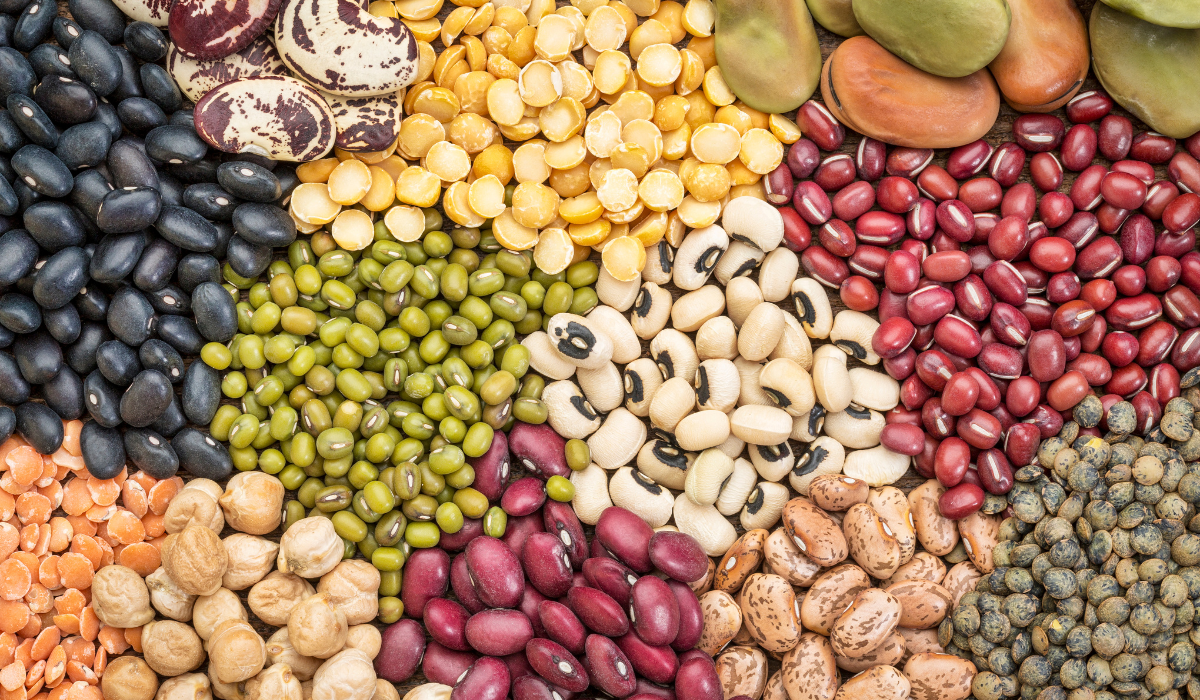
Many Indian kitchens mix different beans to make dishes like Dal Tadka or Panchmel Dal. These mixes usually include toor beans, moong beans, masoor beans, chana beans, and urad beans.
Mixed beans can provide 24–30 grams of protein per 100 grams, offering a perfect balance of essential amino acids. Combining different beans enhances the taste and increases nutritional value, making it a wholesome, high-protein dish.
Final Thoughts
Including beans in your daily meals is one of the easiest ways to increase your protein intake naturally. They are affordable, nutritious, and easy to cook. Whether you prefer soups, curries, or snacks, beans fit perfectly into any recipe and provide the nourishment your body needs.