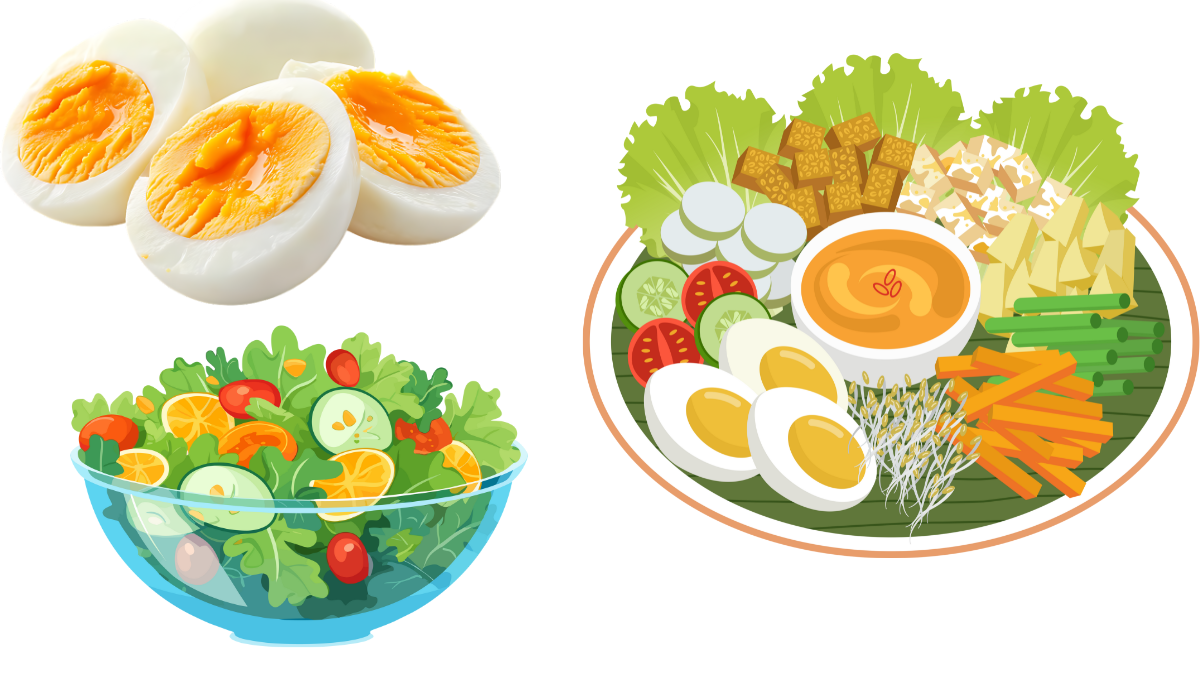
Protein is one of the most vital nutrients that fuels our body and keeps it functioning at its best. From building muscles to repairing tissues, every cell in the body needs protein. It plays a key role in making enzymes, hormones, and other essential chemicals that help our body stay strong, energetic, and healthy.
When it comes to protein, eggs are often seen as one of the best and most accessible sources. A single egg contains about six grams of high-quality protein, which is why it’s a breakfast favorite among health-conscious people. But what if you could get the same—or even more—protein from vegetables?
Surprisingly, nature offers several plant-based foods that can rival or even surpass eggs in protein content. These vegetables not only provide this essential nutrient but also deliver fiber, antioxidants, and a wide range of vitamins and minerals that eggs do not. If you’re vegetarian, vegan, or simply looking to add more plant-based foods to your diet, these five vegetables can be a powerful way to boost your protein intake.
The Power of Protein
Before we dive into the list, let’s understand why protein is so important. Protein is often called the “building block of life” because it’s used to create and maintain every part of your body — from muscles and bones to skin and hair. It also helps in forming antibodies that strengthen your immune system, and hormones that regulate many vital functions.
A good protein intake helps you:
- Build and maintain lean muscle mass
- Repair tissues and cells after exercise or injury
- Keep your metabolism active
- Control hunger and manage weight
- Improve concentration and energy levels
A lack of protein can lead to fatigue, hair loss, weaker immunity, and muscle loss. So, maintaining a diet rich in protein — whether from animal or plant sources — is essential for overall wellness.
Spinach – The Green Protein Booster
Spinach has long been celebrated for its iron content, but it also deserves recognition as a strong source of plant protein. One cup of cooked spinach provides about 5.4 grams of protein, while 100 grams offer around 2.9 grams.
The magic of spinach lies in how much you can consume. When cooked, it shrinks dramatically, allowing you to eat a larger volume easily. This means you can consume more protein in one meal without feeling too full.
Along with protein, spinach is packed with vitamins A, C, and K, magnesium, and antioxidants. These nutrients help improve bone strength, boost immunity, and enhance skin health.
How to include it:
Add spinach to soups, curries, smoothies, or stir-fries. You can also use it in omelets, parathas, or pasta dishes for an easy protein upgrade.
Drumstick (Moringa) – The South Indian Superfood
Moringa, also known as drumstick tree, is one of the richest plant-based protein sources you can find. Its leaves contain an impressive 9 grams of protein per 100 grams, easily surpassing the protein in an egg.
Moringa leaves are not only protein-rich but also loaded with calcium, iron, vitamin C, and antioxidants that help detoxify the body and strengthen immunity. They’re a staple in South Indian households and are used in a variety of dishes like sambar, curries, and soups.
Regular consumption of moringa can improve energy levels, aid digestion, and support hormonal balance. It’s also beneficial for hair and skin due to its antioxidant properties.
How to include it:
You can use fresh moringa leaves in curries and stir-fries, or make moringa tea. Dried moringa leaf powder can also be added to smoothies or soups for a protein and nutrient boost.
Broccoli – The Underrated Protein Hero
Broccoli is often known for its fiber, vitamin C, and antioxidants, but few realize how much protein it contains. Per 100 grams, broccoli provides 2.8 grams of protein, and a cup of cooked broccoli offers around 5.7 grams — nearly as much as an egg.
Broccoli is also rich in folate, potassium, and phytonutrients that help reduce inflammation and improve heart health. It supports better digestion, strengthens bones, and may even aid in cancer prevention due to its high antioxidant levels.
How to include it:
Broccoli can be steamed, roasted, stir-fried, or even blended into soups. Add it to your salads, pasta, or rice bowls to make your meals both protein-rich and colorful.
Mushrooms – The Earthy Protein Source
Mushrooms are a vegetarian’s delight — delicious, versatile, and surprisingly high in protein. White button mushrooms, for instance, contain around 3.1 grams of protein per 100 grams, and when cooked, the protein concentration increases due to reduced water content. A cup of cooked mushrooms can deliver 5–7 grams of protein, which is comparable to or even more than an egg.
Besides protein, mushrooms are rich in selenium, B vitamins, and antioxidants that support brain function and immunity. They also contain compounds that may reduce inflammation and protect against chronic diseases.
How to include it:
Add mushrooms to stir-fries, curries, pasta, soups, or sandwiches. You can even grill them as a tasty meat substitute in wraps and burgers.
Peas – The Tiny Powerhouses
Peas are among the most underrated sources of plant protein. A cup of cooked peas packs around 8 grams of protein, significantly more than an egg. They’re also an excellent source of fiber, vitamin K, and folate.
Peas not only help in building muscle but also regulate blood sugar, support digestion, and keep your heart healthy. Their high fiber content keeps you full longer, making them great for weight management.
How to include it:
Peas are incredibly versatile — you can add them to curries, salads, soups, or even make a protein-rich pea soup or mash.
Why Plant-Based Protein Matters
Switching to plant-based protein isn’t just about nutrition — it’s also a sustainable lifestyle choice. Plant proteins are easier to digest, contain no cholesterol, and are rich in fiber and antioxidants. They promote gut health, reduce inflammation, and can lower the risk of heart disease and obesity.
For vegetarians and vegans, these vegetables are a blessing — they provide the essential amino acids needed for muscle growth and energy without relying on animal-based foods. By including a mix of these vegetables in your diet, you can easily meet your daily protein goals while also reaping other health benefits.
Also Read: High-Protein Breakfast Foods, According to a Dietitian
Conclusion
Eggs have earned their reputation as a complete source of protein, but they’re not the only option. Nature offers several powerful plant-based alternatives that can provide equal or greater protein levels. Vegetables like moringa (drumsticks), spinach, broccoli, mushrooms, and peas are not only nutrient-dense but also delicious and easy to include in everyday meals.
By incorporating these protein-rich vegetables into your diet, you can enjoy better health, improved energy, and a more balanced nutritional intake — all while staying true to a sustainable, plant-based lifestyle.
So next time you’re planning your meal, remember — your plate of veggies might just be giving you more protein than that egg on the side.