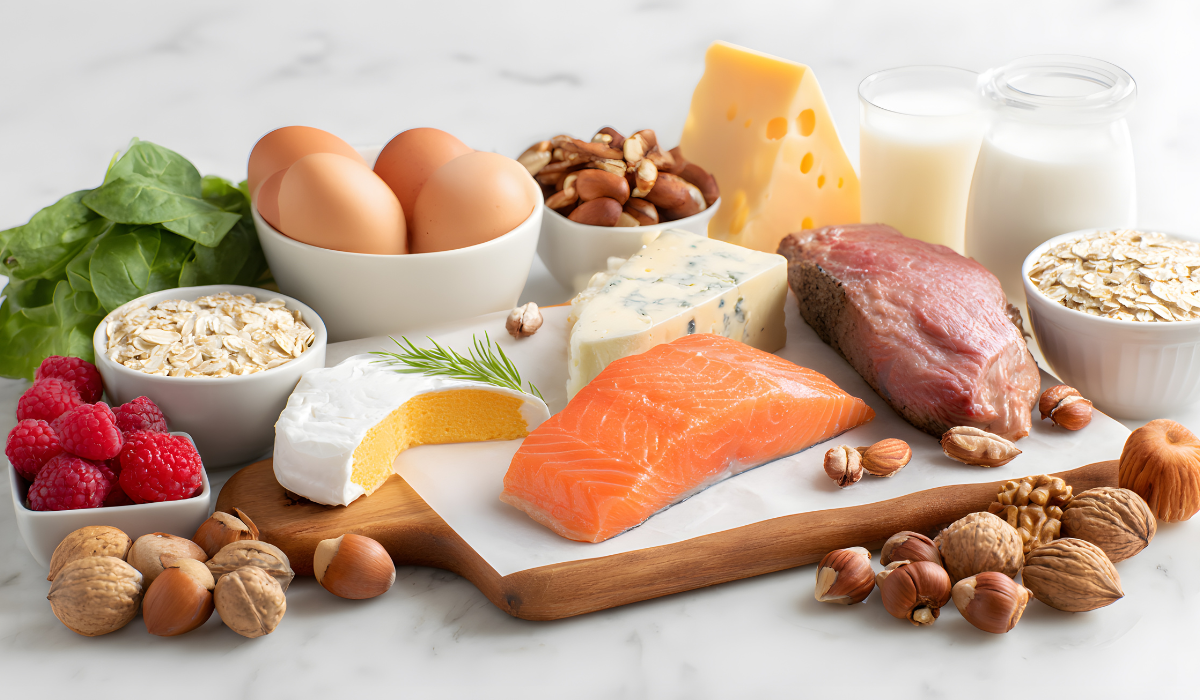
Protein isn’t just for gym enthusiasts — it’s essential for almost every function in your body. Dietitian Marjorie Nolan Cohn explains, “Protein is a macronutrient because it plays a crucial role in nearly every process that sustains life.” It supports muscles, bones, hormones, digestion, breathing, and more. Despite its importance, many people aren’t sure how much protein they actually need daily.
How Much Protein Should You Eat?
According to official guidelines, women need about 46 grams of protein per day and men need 56 grams. However, these numbers are general recommendations and don’t account for factors like age, activity level, or health conditions. Research shows that most adults may need more protein than these baseline figures.
Protein Needs Change with Age
As we age, protein requirements increase. Older adults need more protein to prevent muscle loss and maintain independence. Protein is a key macronutrient alongside carbohydrates and fats, helping build muscles, bones, skin, organs, enzymes, and hormones. Proteins are made from 20 amino acids, but the body can produce only 11. The remaining nine essential amino acids must come from food. Foods containing all nine essential amino acids are called complete proteins, which are mostly found in animal foods, but also in quinoa, soy, and chia seeds.
Protein supports:
- Immune system
- Muscle growth
- Cell repair
- Bone strength
- Hormone and enzyme production
- Fluid balance and detoxification
- Satiety (keeps you full longer)
While carbohydrates are the body’s main energy source, protein can provide energy if needed. Individual protein requirements vary depending on age, gender, height, muscle mass, activity level, and health status.
Daily Protein Needs by Lifestyle and Condition
- Adults: 46–56 g per day
- Pregnant individuals: 71 g per day
- Older adults: May need nearly double the RDA to maintain muscle
- Active individuals or those building muscle: 1.2–2.2 g per kilogram of body weight
- People recovering from illness or injury: Higher protein intake may be required
You can calculate protein needs in two ways:
- By body weight: Multiply your weight by a factor based on activity or goals. For example, a 150-pound adult might need anywhere from 54 g to 150 g of protein daily.
- By calorie intake: Choose a percentage of daily calories from protein (10%–35%). For example, someone consuming 1,800 calories and aiming for 15% protein would need about 68 g per day.
Consulting a doctor or dietitian is recommended for a personalized plan.
Also Read: Dry Fruits Benefits: A Small Snack with Big Health Rewards
Protein-Rich Food Sources
Animal proteins are complete and include:
- Fish (salmon, tuna)
- Poultry (chicken, turkey)
- Meat
- Dairy
- Eggs
Heart-healthy options are preferred, while processed meats like bacon and sausages should be limited due to cancer risks.
Plant proteins are usually incomplete, but combining different sources throughout the day provides all essential amino acids. Options include:
- Soy, lentils, beans
- Nuts and seeds
- Whole grains
- Meat alternatives (e.g., Beyond or Impossible) — best in moderation due to processing
For those struggling to meet protein needs through food alone, protein powders can help. This may include vegans, vegetarians, pregnant individuals, older adults, athletes, or people recovering from illness. Choose powders that are low in added sugar, minimally processed, and third-party tested. Top options include:
- Naked Whey: 25 g protein per serving, simple ingredients
- Naked Pea: 25–27 g protein, vegan, contains all essential amino acids
Tips for Maximizing Protein Benefits
- Include protein in breakfast to control appetite throughout the day
- Spread protein intake across meals instead of eating most at dinner
- Combine protein intake with resistance training 2–3 times per week for muscle health and healthy aging
Eat a variety of protein sources, especially if plant-based, to cover all amino acids