Hypertension, or elevated blood pressure, is a condition in which the force of blood against the artery walls stays consistently high. Arteries carry blood from the heart to the rest of the body, and prolonged pressure can strain the cardiovascular system, potentially leading to serious health complications over time.
Normal vs Elevated Blood Pressure
A normal reading is usually below 120/80 mm Hg. Levels at or above 130/80 mm Hg may indicate hypertension. Blood pressure naturally fluctuates during the day due to activity, stress, and other factors. However, consistently high measurements should be evaluated by a healthcare professional.
Diagnosis of Hypertension
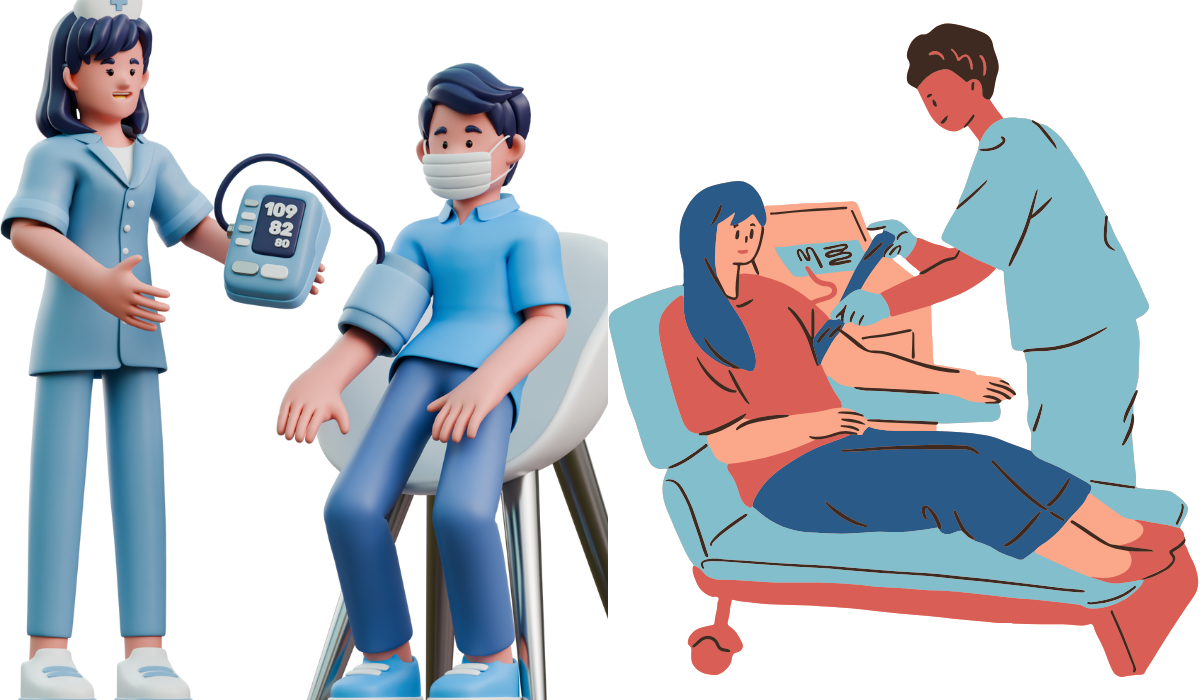
Healthcare providers measure systolic pressure (when the heart beats) and diastolic pressure (when the heart rests) to identify elevated readings. Guidelines from the American College of Cardiology (ACC) and American Heart Association (AHA) help determine if treatment is needed. Regular monitoring—at home, in clinics, or at pharmacies—ensures accurate diagnosis and effective management.
Causes and Risk Factors
Several factors contribute to rising blood pressure over time. Unhealthy habits such as inactivity, poor diet, smoking, and excessive alcohol intake increase risk. Chronic conditions like diabetes, obesity, and kidney disease can worsen it. Long-term stress, anxiety, and certain mental health conditions may elevate heart rate and pressure. Genetics, family history, and environmental influences also play a role. Additionally, some women may experience elevated blood pressure during pregnancy, which requires careful monitoring.
Symptoms
Often called a “silent condition,” hypertension may not produce noticeable symptoms. Many individuals only discover it during routine checks. Occasionally, it may cause headaches, blurred vision, or chest discomfort, but regular monitoring is the most reliable way to detect it.
Health Risks
Unchecked elevated blood pressure can damage vital organs, including the heart, brain, kidneys, and eyes. It can stiffen arteries, reduce blood flow, and increase the likelihood of heart disease, heart attacks, and heart failure. Blockages or ruptures in brain arteries can trigger strokes, potentially causing long-term disability or death. Persistently high readings in midlife may also contribute to cognitive decline and dementia. Other complications include heart valve issues, kidney disease, and vision problems.
Prevention and Management
Maintaining healthy readings is possible through lifestyle changes. Regular exercise, a balanced diet low in salt and alcohol, weight management, quitting smoking, and stress control are key strategies. In some cases, medications may be needed alongside lifestyle adjustments to manage blood pressure effectively.
Importance of Regular Monitoring
Regular checks are crucial, especially for individuals over 40, those with a family history of hypertension, or anyone who hasn’t had a recent examination. Many pharmacies and workplaces provide free or affordable screenings, making early detection easier.
Also Read: National Cancer Awareness Day 2025: Building a Cancer-Free Future for India
Conclusion
Elevated blood pressure is serious but manageable. By understanding risk factors, adopting a healthy lifestyle, and seeking medical care when needed, individuals can protect their heart, brain, kidneys, and overall well-being. Proactive management and awareness are essential for long-term health.
FAQ’s
What causes high blood pressure?
High blood pressure can develop due to a combination of factors, including unhealthy lifestyle choices, chronic conditions like diabetes or obesity, long-term stress, genetics, and age. Pregnancy can also increase the risk.
What are the symptoms of high blood pressure?
High blood pressure often has no symptoms. Some people may experience headaches, blurred vision, or chest pain, but the condition is usually detected through regular blood pressure checks.
How can I prevent high blood pressure?
Preventing high blood pressure involves maintaining a healthy lifestyle, including regular physical activity, eating a balanced diet low in salt and alcohol, avoiding smoking, managing stress, and keeping a healthy weight.
What are the risks of untreated high blood pressure?
If untreated, high blood pressure can lead to serious complications such as heart disease, heart attacks, stroke, kidney disease, cognitive decline, and damage to the eyes and heart valves.
How often should I check my blood pressure?
It is recommended to check blood pressure regularly, especially if you are over 40, have a family history of hypertension, or have not had a recent check. Blood pressure checks can be done at home, pharmacies, or clinics.