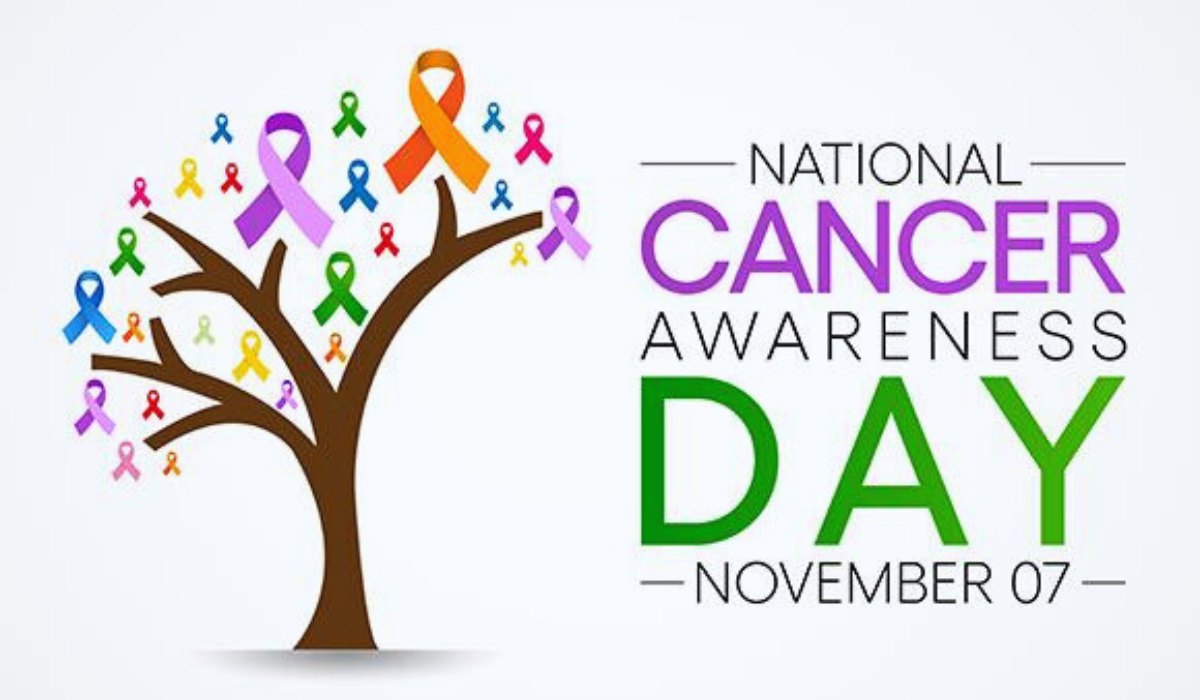
Cancer remains one of India’s most serious health challenges, affecting millions of people every year across all age groups. Despite major advances in medical technology and treatment, many cases continue to be diagnosed at advanced stages, where recovery becomes more difficult and costly. National Cancer Awareness Day, observed every year on November 7, aims to change this by spreading awareness about prevention, early detection, and timely treatment.
This observance serves as a reminder that early detection saves lives, and that awareness, regular check-ups, and healthy habits can significantly reduce cancer risks. The day also emphasizes the shared responsibility of individuals, healthcare institutions, and the government to make cancer education and preventive services accessible to everyone.
History and Significance of National Cancer Awareness Day
National Cancer Awareness Day holds a special place in India’s public health calendar. It is observed on November 7, marking the birth anniversary of Madame Marie Curie, the Nobel Prize-winning scientist who discovered radium and polonium. Her pioneering work on radioactivity laid the foundation for radiation therapy, a cornerstone in modern cancer treatment.
The day was officially announced in 2014 by Dr. Harsh Vardhan, the then Union Health Minister, to draw national attention to India’s growing cancer burden. The initiative was designed to spread awareness about preventive measures, encourage timely medical check-ups, and reduce cancer-related deaths through education and early diagnosis.
Across India, hospitals, NGOs, and community health organizations observe this day with free screening camps, educational seminars, and awareness campaigns. These efforts help people understand that detecting cancer early greatly improves the chances of successful treatment and long-term survival.
Why Cancer Awareness Matters in India
According to the Indian Council of Medical Research (ICMR), more than 14 lakh new cancer cases are reported in India each year. Sadly, a majority of these are diagnosed at late stages, when treatment options are limited. Lack of awareness, stigma, and limited access to healthcare contribute significantly to this delay.
Here’s why spreading awareness is essential for India’s fight against cancer:
- Encourages Early Detection: Awareness helps individuals recognize warning signs and seek timely medical help.
- Promotes Healthy Habits: Knowledge about risk factors motivates people to quit smoking, eat better, and stay active.
- Improves Treatment Success: Early-stage cancers respond better to treatment, improving survival rates.
- Reduces Stigma: Open discussions about cancer remove fear and encourage regular screening.
- Empowers Communities: Awareness fosters collective action and support for preventive healthcare.
Through education and consistent outreach, India can move from a reactive approach to a preventive model, ensuring fewer people face late-stage diagnoses.
The Power of Early Detection and Regular Screening
Early detection is one of the strongest weapons in the fight against cancer. When diagnosed early, many types of cancer can be treated with less invasive procedures, lower costs, and better outcomes. Unfortunately, many Indians visit doctors only when symptoms become severe, leading to delayed treatment.
Regular health screenings and diagnostic tests can identify cancer or precancerous conditions even before symptoms appear. Here are some key benefits of early detection:
- Higher Survival Rates: Quick intervention increases the chances of complete recovery.
- Simpler Treatments: Early-stage cancers often require less aggressive therapies.
- Lower Costs: Treating cancer in early stages is far more affordable than advanced treatments.
- Better Quality of Life: Early treatment allows patients to recover faster and maintain overall well-being.
Common screening tests such as mammograms, Pap smears, colonoscopies, CT scans, and oral examinations can help detect cancers of the breast, cervix, colon, lungs, and mouth before they progress.
Preventive Measures and Healthy Lifestyle Choices
While not every cancer can be prevented, lifestyle changes play a major role in reducing risk. Prevention is always better than cure, and simple habits can go a long way in protecting one’s health.
Key preventive measures include:
- Avoid Tobacco: Quit smoking and avoid chewing tobacco or betel nut.
- Limit Alcohol Consumption: Excessive drinking increases the risk of liver, breast, and oral cancers.
- Eat a Balanced Diet: Choose fruits, vegetables, and whole grains over processed foods.
- Exercise Regularly: Aim for at least 30 minutes of physical activity daily.
- Maintain a Healthy Weight: Obesity is linked to several cancers including colon and breast.
- Get Vaccinated: Vaccines like HPV (for cervical cancer) and Hepatitis B (for liver cancer) are vital.
- Protect from UV Rays: Use sunscreen and protective clothing to prevent skin damage.
- Go for Regular Check-ups: Schedule periodic screenings based on age and risk factors.
Role of Awareness Campaigns and Community Initiatives
Cancer awareness campaigns bridge the gap between medical science and public understanding. Across India, several government initiatives, hospitals, and NGOs organize drives to promote preventive care.
Some impactful initiatives include:
- Educational Workshops: Schools, offices, and hospitals hold talks on cancer prevention and early detection.
- Free Screening Camps: Many health institutions provide free mammograms, Pap smears, and oral exams.
- Tobacco Cessation Programs: The government’s National Cancer Control Programme promotes quitting tobacco.
- Public Marathons and Events: Awareness walks and health fairs encourage participation and fundraising.
- Social Media Campaigns: Digital outreach helps spread verified health information quickly.
Also Read: PU Students and Farmers Demand Full Rollback of University Reforms
How You Can Support the Cause
The fight against cancer is a collective responsibility. Every individual can contribute to raising awareness and encouraging early action.
Here’s how you can make a difference:
- Spread Awareness: Share reliable cancer prevention information in your community.
- Encourage Screenings: Motivate friends and family to go for regular check-ups.
- Volunteer: Support NGOs and health organizations in awareness drives or fundraising.
- Adopt Healthy Habits: Practice what you preach—eat healthy, stay active, and avoid tobacco.
- Support Patients: Contribute to charities that assist cancer patients with treatment costs.
Conclusion
National Cancer Awareness Day 2025 is not just about remembering a date—it’s about recognizing a mission. It reminds us that cancer prevention starts with awareness, and awareness begins with each one of us. By promoting regular screenings, healthy lifestyles, and compassionate community engagement, India can move closer to a cancer-free future.