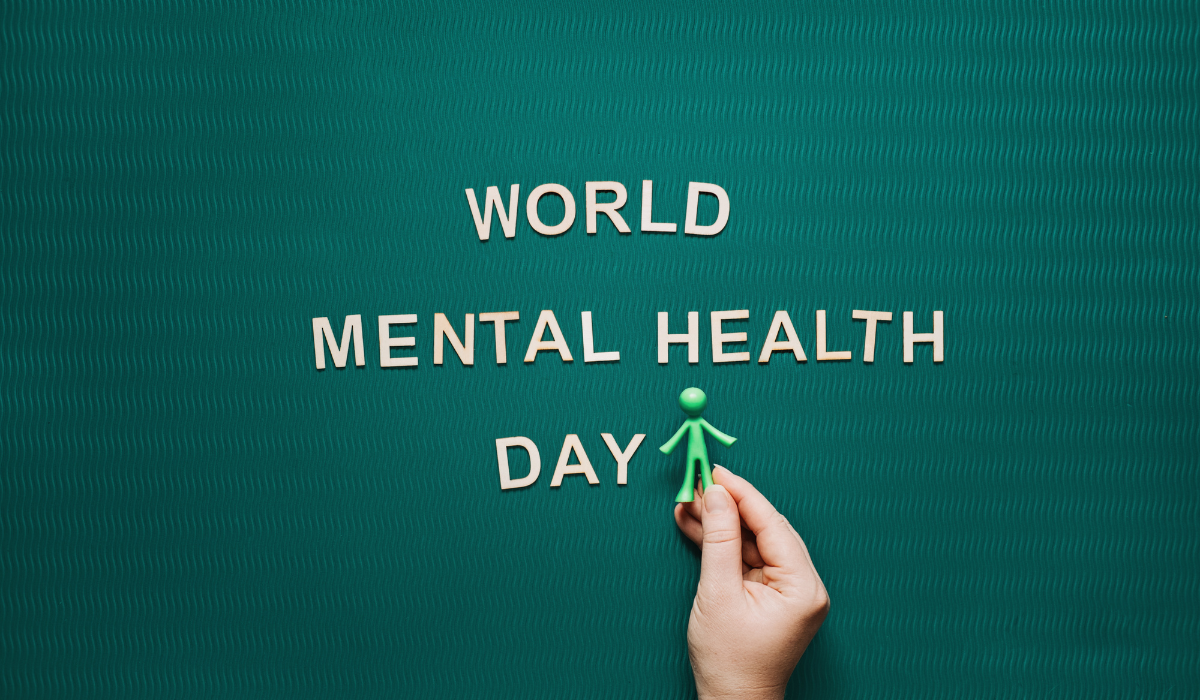
Every year, National Mental Health Day reminds us that taking care of our mind is just as important as caring for our body. While physical health is often prioritized, mental health is equally essential for living a balanced and fulfilling life. This day encourages conversations, awareness, and actions that promote emotional and psychological well-being.
Mental health affects how we think, feel, and behave daily. When neglected, it can influence relationships, work performance, and even physical health. By observing this day, communities aim to reduce stigma, provide support, and inspire healthy mental habits.
Why National Mental Health Day is Essential
- Raise Awareness: Many people silently struggle with stress, anxiety, or depression. Awareness campaigns help people understand mental health better.
- Reduce Stigma: Talking about mental health openly encourages acceptance and reduces shame or fear associated with mental illness.
- Encourage Support Systems: It highlights the importance of family, friends, and workplaces in supporting mental well-being.
- Promote Self-Care: Reminds us to take small daily steps to nurture our mental health, like meditation, exercise, or hobbies.
Signs You Should Focus on Your Mental Health
- Feeling anxious or worried most of the time
- Constant sadness or mood swings
- Trouble sleeping or eating
- Lack of motivation or interest in daily activities
- Feeling overwhelmed with small tasks
Recognizing these signs early can help prevent long-term mental health problems.
How Communities Can Observe National Mental Health Day
- Awareness Campaigns: Schools, colleges, and workplaces can organize workshops or webinars.
- Social Media Initiatives: Share stories, tips, and resources to educate people about mental health.
Supportive Workplaces: Encourage flexible schedules, mental health breaks, and counseling services.
Family Activities: Encourage open conversations at home and engage in relaxing activities together. - Self-Care Challenges: Try meditation, journaling, or fitness challenges to promote personal well-being.
Unique Tips to Boost Mental Well-Being
- Gratitude Journaling: Write three things you are grateful for each day—it improves positivity.
- Nature Therapy: Spending time in green spaces can reduce stress and boost mood.
- Limit Negative Inputs: Surround yourself with positive influences, like uplifting books or podcasts.
- Digital Detox: Designate “no-phone” hours to relax your mind and reconnect with yourself.
- Volunteer or Help Others: Helping someone in need creates purpose and improves emotional health.
FAQs
Is mental health only about mental illness?
No. Mental health includes emotional, social, and psychological well-being, not just the absence of mental disorders.
How can I support a friend struggling with mental health?
Listen actively, avoid judgment, and encourage them to seek professional help if needed.
Can children also have mental health issues?
Yes. Stress, bullying, family problems, or school pressure can affect children. Early support is crucial.
Does exercise really improve mental health?
Yes. Physical activity releases endorphins that naturally improve mood and reduce stress.
What should I do if I feel overwhelmed by stress?
Pause, take deep breaths, write down your thoughts, or talk to someone you trust. Professional help can also be beneficial.
Conclusion
National Mental Health Day is a reminder that mental well-being is not a luxury—it’s a necessity. By learning about mental health, practicing self-care, and supporting others, we can build a society where emotional well-being is valued as much as physical health. Each small step, whether it’s meditation, talking to a friend, or spending time in nature, contributes to a healthier mind and a happier life.