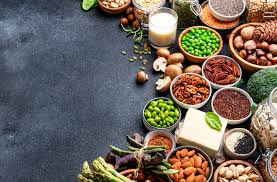
Adopting a plant-based lifestyle is more than just a trend—it’s a conscious choice that promotes better health, environmental sustainability, and ethical living. Whether you decide to go fully vegan or simply reduce your intake of meat and dairy, embracing plant-based eating can transform your wellbeing while supporting the planet.
With a variety of grains, legumes, fruits, vegetables, and plant-based proteins, plant-based meals can be delicious, nutritious, and satisfying. Here’s how switching to a plant-based diet can improve your life.
Improves Heart Health
A diet centered on whole plant foods is rich in fiber, antioxidants, and healthy fats, all of which help reduce the risk of heart disease. Reducing saturated fats from animal products and focusing on foods like leafy greens, beans, oats, and nuts can lower cholesterol and maintain healthy blood pressure.
Supports Weight Management
Plant-based diets are naturally lower in calories and high in fiber, keeping you full for longer periods. By replacing processed and animal-based foods with nutrient-dense plants, maintaining a healthy weight becomes easier and more sustainable.
Enhances Mental Wellbeing
Studies show that plant-based eaters often report improved mood and energy levels. Foods like berries, nuts, seeds, and dark chocolate contain essential nutrients that support brain health. Avoiding processed meats and sugary snacks can also contribute to better mental clarity and reduced anxiety or depression.
Environmentally Friendly
Choosing a plant-based diet is one of the most effective ways to reduce your carbon footprint. Producing plant foods requires fewer natural resources and emits fewer greenhouse gases compared to animal farming. Every vegan meal contributes to a healthier, more sustainable planet.
Increases Nutrient Intake
When carefully planned, a plant-based diet provides all the essential nutrients your body needs, including vitamin C, potassium, magnesium, and folate. Incorporating colorful vegetables, legumes, and whole grains ensures a balanced and nourishing diet.
Reduces Risk of Chronic Diseases
Plant-based eating is linked to a lower risk of type 2 diabetes, certain cancers, and high blood pressure. The anti-inflammatory properties of whole plant foods like beans, nuts, and whole grains help prevent and manage chronic illnesses naturally.
Promotes Clearer Skin and Better Digestion
Many people notice clearer skin and improved digestion after transitioning to a plant-based diet. High fiber content, water-rich fruits, and vegetables support gut health, help flush out toxins, and reduce skin breakouts.
Simple, Tasty, and Versatile Recipes
Vegan cooking is diverse and flavorful. From lentil soups and chickpea burgers to dairy-free desserts and coconut curries, plant-based meals are both easy to prepare and satisfying. Your favorite dishes can be recreated in healthier, animal-free versions without compromising taste.
Also Read: 17 Benefits of Drinking Hot Water Daily
Budget-Friendly
Staples like rice, lentils, beans, and seasonal vegetables are affordable and widely available. Plant-based eating allows you to prepare nutritious meals without spending heavily on meat or processed products. Batch cooking can further save time and money.
Aligns with Ethical Values
For many, plant-based eating reflects compassion and a commitment to humane food practices. Choosing veganism supports animal welfare and aligns with values of sustainability, kindness, and ethical living, enhancing both emotional and spiritual wellbeing.
Transitioning to a plant-based lifestyle is more than just changing your diet—it’s a holistic approach that benefits your health, the environment, and animal welfare. With countless delicious recipes and growing global awareness, it’s easier than ever to embrace plant-based eating. Whether you adopt it for a day, a month, or a lifetime, every plant-based choice makes a difference.