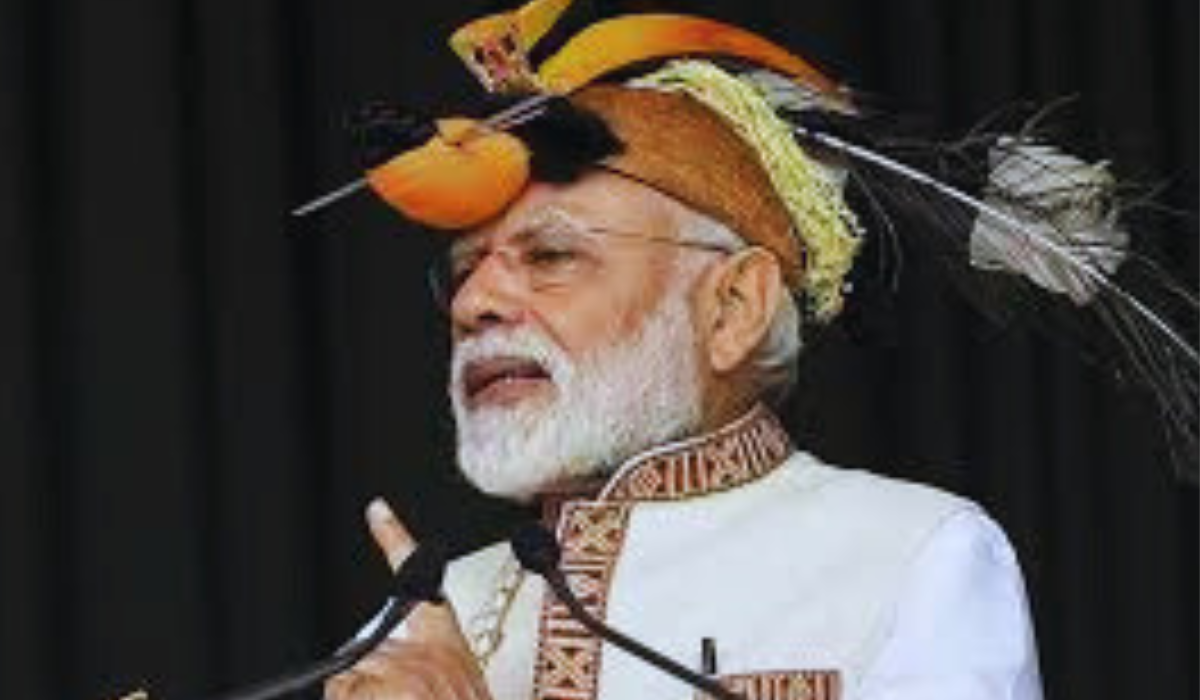
New Delhi, September 22, 2025: Prime Minister Narendra Modi is visiting Northeast India today to launch several major development projects in Arunachal Pradesh and Tripura, with a total investment of over ₹5,100 crore. The PM Modi visit Arunachal Pradesh Tripura highlights the government’s focus on energy, infrastructure, cultural preservation, and regional growth.
Major Hydropower Projects in Arunachal Pradesh
In Itanagar, PM Modi will lay the foundation stone for two key hydropower projects – the Heo Hydroelectric Project (240 MW) and the Tato-I Hydroelectric Project (186 MW). Together, these projects represent an investment of approximately ₹3,700 crore.
Moreover, the North Eastern Electric Power Corporation (NEEPCO), a wholly-owned subsidiary of NTPC, is developing these projects in collaboration with the Arunachal Pradesh government. Once operational, the Heo project will generate around 1,000 million units of electricity annually, while the Tato-I project will produce approximately 803 million units.
Officials said these projects will harness Arunachal Pradesh’s abundant hydroelectric potential, provide clean energy, and create employment opportunities in the region. Additionally, they expect the projects to strengthen India’s renewable energy capacity and contribute to sustainable growth.
Development of Convention Center in Tawang
PM Modi will also lay the foundation stone for a state-of-the-art convention center in Tawang, located at an altitude of 9,820 feet. This center will host national and international conferences, cultural programs, and festivals. Furthermore, officials believe it will attract visitors from across the country and abroad, boosting tourism and local economic activity.
Inauguration at Mata Tripura Sundari Temple
After completing his engagements in Arunachal Pradesh, PM Modi will travel to Tripura. During the PM Modi visit Arunachal Pradesh Tripura, he will inaugurate redevelopment works at the Mata Tripura Sundari Temple complex in Udaipur and offer prayers. The 45-minute program will highlight the temple’s cultural and spiritual significance.
PM Modi will arrive at Agartala’s Maharaja Bir Bikram Airport, take a helicopter to Palatana, and then travel by road to the temple site. However, the Prime Minister is not scheduled to address the public during this visit, as the program will focus on ceremonial and religious activities.
In addition, the redevelopment work at the temple aims to preserve its rich cultural heritage and attract more visitors. As a result, the initiative will improve tourism infrastructure and provide socio-economic benefits to the local community.
Boosting Socio-Economic Growth in the Northeast
According to the Prime Minister’s Office (PMO), these initiatives will accelerate economic growth, improve connectivity, and promote cultural preservation in the Northeast. Specifically, the hydropower projects will enhance energy production, supporting industrial growth and household electricity supply.
Moreover, officials highlighted that combining infrastructure, energy, and cultural projects will create new jobs, improve living standards, and strengthen the region’s role in India’s overall development. In addition, the government aims to position the Northeast as a hub of sustainable growth, energy production, and tourism.
Also Read: Asia Cup 2025: ICC Pulls Up PCB Over India-Pakistan No-Handshake Row
Supporting India’s Vision of “Viksit Bharat 2047”
The Prime Minister’s visit reflects the government’s commitment to achieving a “Viksit Bharat (Developed India) by 2047.” By investing in renewable energy, modern infrastructure, and cultural heritage, these projects aim to improve regional development, empower local communities, and enhance India’s energy security.
Furthermore, through initiatives like these, the government hopes to transform Arunachal Pradesh and Tripura into centers of economic activity, cultural tourism, and sustainable energy production. Overall, the PM Modi visit Arunachal Pradesh Tripura demonstrates the government’s focus on holistic growth combining tradition, technology, and modern infrastructure.