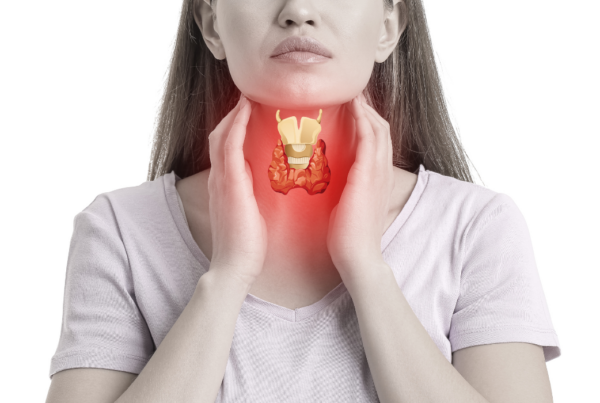
Weakness is a common condition that almost everyone experiences at some point in life. It can range from a mild feeling of tiredness to a serious medical concern that affects daily activities. Millions of people worldwide face weakness due to lifestyle habits, infections, or underlying health conditions. Understanding the symptoms of weakness and knowing when to seek medical help can greatly improve health outcomes.
What Is Weakness?
Weakness is a condition where the body or muscles do not function with normal strength. In medical terms, it is known as asthenia. A person may feel tired, unable to move properly, or may struggle to perform daily activities. While the brain functions normally, the body shows reduced physical power.
Types of Weakness
Doctors classify weakness based on how and where it affects the body. The main types include:
Muscle Weakness
This occurs when specific muscles lose strength. It may happen due to nerve or muscle disorders. Muscle weakness is further classified into:
- Primary (True) Muscle Weakness: The muscle cannot perform normal actions even during the first attempt.
- Muscle Tiredness: The muscle works but requires more effort and gets tired easily.
- Muscle Fatiguability: The muscle works initially but gets exhausted quickly and takes longer to recover.
General Weakness
This affects the entire body, causing low energy and tiredness. It is commonly seen in infections, fever, and chronic illnesses.
Local Weakness
Weakness occurs in one particular part of the body, such as one arm or leg. It usually results from injury or nerve damage.
Systemic Weakness
Affects the entire system of the body. It is common in long-term diseases, autoimmune conditions, and hormonal imbalances.
Regional Weakness
Affects specific body regions such as arms, legs, or facial muscles. It may involve spasms or trembling.
Full-Body Weakness
This involves extreme tiredness throughout the body and may be associated with infections, dehydration, or chronic fatigue.
Causes of Weakness
Weakness may occur due to several medical conditions, including:
- Infections: Viral or bacterial infections are among the most common causes of temporary weakness.
- Endocrine Disorders: Thyroid problems or hormonal changes can cause fatigue and low energy levels.
- Neurological Disorders: Diseases affecting the brain, nerves, or muscles.
- Autoimmune Diseases: The immune system mistakenly attacks healthy tissues.
- Heart Conditions: Poor blood circulation and low oxygen supply can lead to weakness.
Risk Factors
Several lifestyle and environmental factors increase the chances of developing weakness:
- Poor Nutrition: Lack of vitamins (B12, D), minerals (iron), or protein.
- Inadequate Sleep: Disturbed or poor-quality sleep leads to persistent fatigue.
- Sedentary Lifestyle: Lack of exercise or excessive physical exertion without rest.
- Stress and Environmental Changes: Heat, pollution, and emotional stress can reduce energy levels.
- Ageing: Older adults naturally experience reduced muscle strength.
Symptoms of Weakness
Common symptoms associated with weakness include:
- Difficulty walking, lifting, or performing routine tasks
- Muscle twitching, cramping, or tremors
- Poor coordination or balance issues
- Shortness of breath, especially when chest muscles are affected
- Blurry or double vision
- Slurred speech or difficulty swallowing
Treatment Options
Treatment for weakness depends on the underlying cause. Common options include:
Physical Therapy
Strengthening exercises to improve muscle power and movement.
Medications
Pain relievers, antibiotics, hormone therapy, or prescription medicines based on the cause.
Dietary Improvements
Including protein-rich foods, leafy greens, fruits, nuts, and hydration.
Lifestyle Changes
Improved sleep habits, stress management, and regular exercise.
Home Remedies
Hydration, rest, healthy eating, and light stretching can help with mild weakness.
Targeted Medical Treatment
Specific treatments for thyroid issues, neurological diseases, or infections.
When to See a Doctor
Immediate medical help is needed if you experience:
- Sudden weakness or numbness on one side
- Trouble speaking or vision changes
- Chest pain or difficulty breathing
- Confusion, dizziness, or fainting
- Rapid heartbeat with low blood pressure
Also Read:The Impact of Digital Detox on Mental Health
Conclusion
Weakness is a common condition, but it should never be ignored—especially when symptoms persist or worsen. Early diagnosis helps in identifying the root cause and ensures faster recovery. With the right treatment, lifestyle changes, and medical care, most people can manage weakness effectively and lead a healthy life.
FAQs
How can I identify my weaknesses?
Self-reflection helps you understand your daily choices, reactions, and physical limitations.
What does weakness mean in personality?
It refers to underdeveloped skills or behaviours that may affect your performance or relationships.
What does weakness mean medically?
Medically, weakness is known as asthenia—a lack of physical strength or energy.
What are some other terms for weakness?
Feebleness, fatigue, debility, frailty, delicacy, fragility, and enervation.