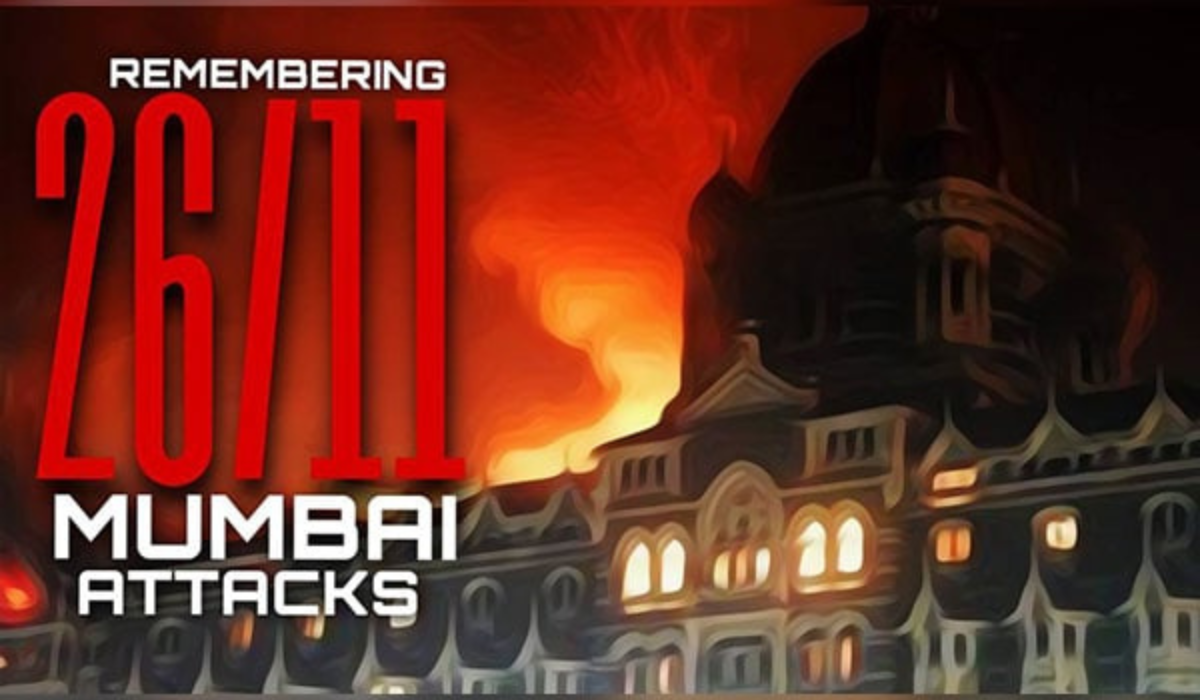
As India observes the 17th anniversary of the 26/11 Mumbai terror attacks, the nation once again pays tribute to the 166 innocent people who lost their lives and the brave heroes who sacrificed everything to protect others. On 26 November 2008, ten heavily armed terrorists from the Pakistan-based Lashkar-e-Taiba launched one of the most brutal and coordinated attacks in India’s history, targeting multiple crowded locations across Mumbai.
Seventeen years later, emotional memories of that night still echo through the city — a reminder of immense pain, unmatched courage, and the importance of eternal vigilance.
A New Legal Development: Fahim Ansari’s PCC Case Returns
Ahead of the 17th anniversary, the Mumbai High Court once again heard the matter related to Fahim Ansari, a man who was previously acquitted in the 26/11 case. Ansari had approached the court seeking a Police Clearance Certificate (PCC), claiming he wanted to earn his livelihood by driving an autorickshaw — a profession that requires police verification.
Government’s Stand in Court
The Maharashtra government told the court that:
- Fahim Ansari is free to take up any job that does not require police verification or a character certificate.
- He cannot be granted PCC for jobs where background checks are mandatory.
- Despite his acquittal, he remains under the surveillance of security agencies.
- Authorities suspect he may have had links with a banned terrorist organization, which led to the rejection of his PCC application.
The government presented a detailed list of roles where police verification is compulsory, including:
- Government and semi-government jobs
- Municipal corporation posts
- RTO permits and commercial driving badges
- School and college employment
- Security guard positions
- Certain private-sector roles (if companies demand PCC)
The case remains open, and the High Court is yet to deliver its final verdict.
What Happened on 26/11? A Recap of the Deadly Attack
The 26/11 Mumbai attacks were not just acts of violence — they were a meticulously planned urban war. Between 26 and 29 November 2008, terrorists unleashed chaos at several iconic locations:
Key Targets Attacked
- Chhatrapati Shivaji Terminus (CST)
- Taj Mahal Palace Hotel
- Oberoi-Trident Hotel
- Leopold Café
- Nariman House (Jewish community center)
- Cama Hospital
Scale of Destruction
- 166 people killed
- 300+ injured
- Endless trauma for survivors and frontline responders
- A four-day operation led by NSG commandos and Mumbai Police
- 9 terrorists were killed
- Ajmal Kasab, the lone surviving terrorist, was later convicted and executed
Inside the Siege: Courage Amid Terror
The attack lasted nearly 60 hours, during which Mumbai witnessed horrifying scenes — gunfire, explosions, and flames engulfing the Taj Hotel. But amidst the darkness, countless acts of courage shined through:
- NSG commandos conducted room-to-room combat inside the Taj and Oberoi.
- Mumbai Police officers, including ATS Chief Hemant Karkare, Vijay Salaskar, and Ashok Kamte, sacrificed their lives fighting terrorists.
- Firefighters rescued hundreds from burning structures.
- Hotel staff risked their lives to save guests, exemplifying true heroism.
These stories of bravery remain etched in India’s collective memory.
Lessons from 26/11: Why This Day Still Matters
The 26/11 attack reshaped India’s security framework. It stands as a reminder that:
- Terrorism remains a global threat
- Intelligence and law enforcement must stay vigilant
- Citizens must remember the sacrifices of security forces
- National unity is the strongest response to terror
Every anniversary marks not just reflection, but also renewal of commitment to national security and peace.
Also Read: National Constitution Day 2025: History, Importance, Celebration, Activities & Key Facts
Conclusion
As Mumbai marks the 17th anniversary of the 26/11 terror attack, the wounds may have healed, but the memories remain alive. The ongoing legal matters, including the issue surrounding Fahim Ansari’s PCC request, continue to bring the tragedy into public discussion.
The legacy of 26/11 is one of pain, resilience, and unbreakable spirit. It is a reminder of those who suffered, those who fought bravely, and those who laid down their lives to protect the nation.