Assam is battling one of its most severe flood seasons in recent years, and the situation is far from over. What started as heavy monsoon rainfall in June has turned into a prolonged humanitarian crisis, with the death toll climbing steadily week after week. For anyone following Assam flood news today, the numbers paint a grim picture of a state still fighting to recover.
In this blog, we break down the latest updates, the reasons behind this year’s flooding, the districts hit hardest, and the ongoing relief efforts across Assam.
Current Death Toll and Scale of the Crisis
The flood situation in Assam has been evolving rapidly, and the numbers have kept rising even as authorities report gradual improvement in some areas.
- Earlier in the flood season, the death toll had risen to 50, with around 40 people still missing and feared drowned, while nearly 50,000 people in Nazira and 30,000 in Sivasagar remained unreachable by government teams.
- By late July, the toll had climbed to 68 following two more fatalities, with over 5.24 lakh people still affected across five districts, even as the overall flood situation showed signs of improvement.
- Most recently, the death toll rose further to 75, with seven additional deaths reported, underscoring how dangerous this year’s flooding has been despite recovery efforts in several regions.
According to broader statistical reporting on this year’s disaster, the 2026 Assam floods have claimed 68 lives and affected more than 10 lakh people, making them one of the state’s most severe monsoon disasters in recent years.
What’s Causing This Year’s Floods
Unlike a sudden, isolated event, this year’s flooding has been the result of sustained, extreme weather conditions building up over weeks.
Heavy Rainfall and River Overflow
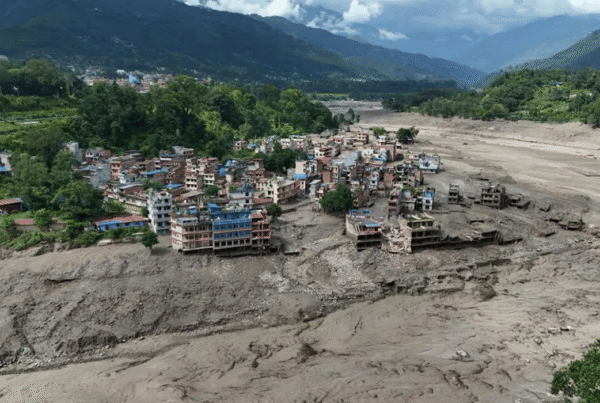
The 2026 floods were driven by a sustained spell of extreme rainfall across Assam’s upstream catchments, rather than a single freak weather event. Assam typically sees the bulk of its annual rainfall concentrated in the June–September monsoon window, but this year’s rainfall levels pushed rivers well beyond their capacity. Reports indicate that the Brahmaputra’s width nearly tripled at several stretches this season, a clear sign of how much pressure the river system was under.
Official Explanation from the State Government
Assam’s Chief Minister Himanta Biswa Sarma has pointed to the scale of rainfall as the core issue, stating that this year’s flooding in Upper Assam was triggered by rainfall levels nearly 500% above normal, rather than a cloudburst event. This distinction matters because it points to a broader, region-wide rainfall pattern rather than a localized incident, which explains why the flooding has been so widespread and difficult to contain.
Embankment Breaches and Infrastructure Damage
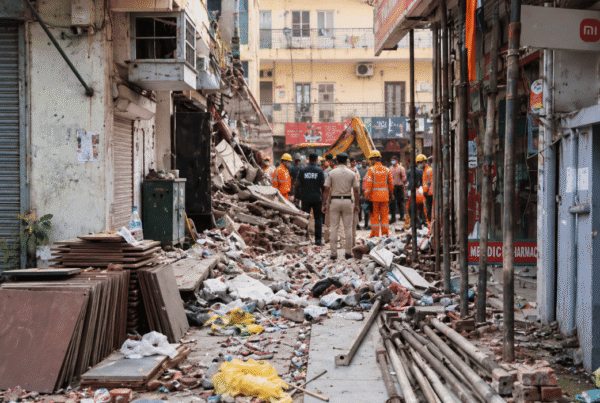
As water levels rose, several embankments gave way, allowing floodwaters to spread further into residential areas. Roads, bridges, and electricity infrastructure have all taken a hit, with tens of thousands of households left without power at the peak of the crisis, making rescue and relief work significantly harder.
Worst-Affected Districts in Assam
While flooding has impacted large parts of the state, certain districts have borne the brunt of the damage.
- Charaideo – Reported as the worst-hit district, with nearly 1.9 lakh people affected by rising waters.
- Sivasagar – One of the earliest and most severely impacted areas, with tens of thousands cut off from rescue teams.
- Golaghat, Jorhat, and Nagaon – All reported significant flooding and displacement.
- Dibrugarh, Dhemaji, Lakhimpur, Majuli, Tinsukia, Darrang, and Sonitpur – Additional districts that saw widespread inundation and disruption to daily life.
This wide geographic spread is part of why the crisis has been so difficult to manage; rescue teams have had to operate across multiple districts simultaneously, often in areas that remain inaccessible by road.
Rescue and Relief Operations
Despite the scale of the disaster, relief operations have been running continuously across the state.
- Officials confirmed that 354 relief camps and aid distribution centers were operating in the state, providing shelter and support to nearly 37,724 displaced people.
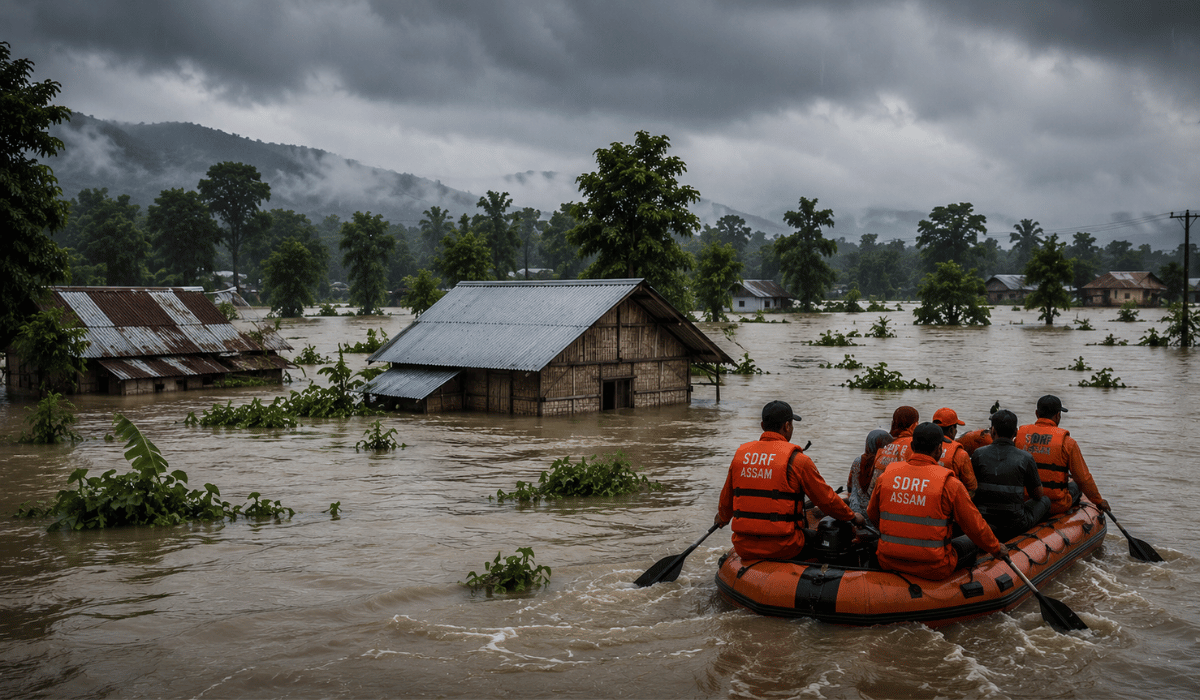
- Multiple agencies, including the Army, NDRF, SDRF, Fire & Emergency Services, and state police, have been engaged in rescue and relief work.
- Boats have been used extensively to reach families stranded in submerged neighborhoods, with many residents forced to shelter on rooftops until help arrived.
- The central government has stayed engaged as well, with an inter-ministerial team sent to assess the damage and support the state’s recovery efforts.
Why This Flood Season Matters
Assam faces flooding almost every year, but the scale of destruction in 2026 has been notably severe. This year’s floods underscore persistent issues with embankment infrastructure, early warning systems, and long-term flood management, with the death toll now at 75 and thousands of people still impacted. along the Brahmaputra basin.
As floodwaters recede in some regions, authorities have cautioned that the final death toll may still rise further, particularly as access improves to areas that were previously cut off. For now, relief and rehabilitation remain the immediate priority, while questions around long-term flood preparedness are likely to resurface once the immediate crisis passes.
Final Thoughts
The 2026 Assam floods stand as one of the most serious natural disasters the state has faced in recent years. With a rising death toll, hundreds of thousands displaced, and entire districts submerged, the road to recovery will take time. Continued relief efforts, infrastructure repair, and support for affected families remain critical as Assam works to rebuild in the aftermath of this year’s devastating flood season.
This is a developing situation, and figures related to the death toll and affected population may continue to change as more updates come in from official sources.