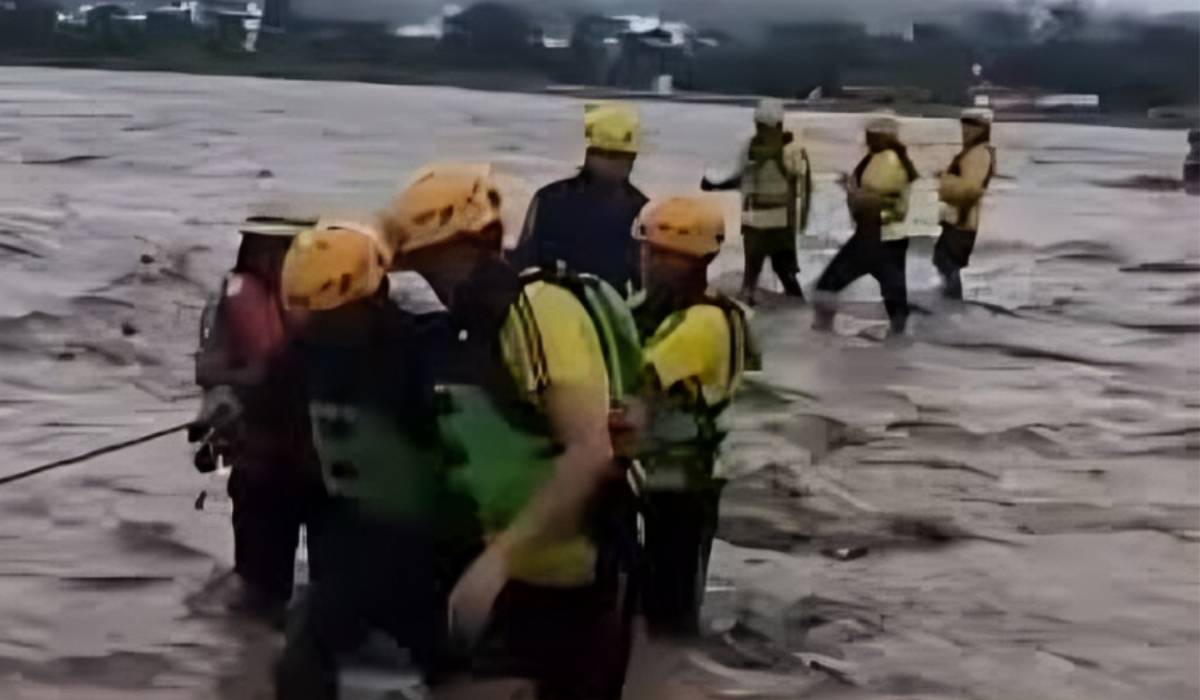
Dehradun, Uttarakhand: A massive cloudburst struck Dehradun on Monday morning, triggering flash floods, landslides, and widespread destruction. The sudden downpour caused the Tamsa River to overflow, submerging the Tapkeshwar Mahadev temple, sweeping away cars and shops, and leaving several people missing. According to reports, at least 15 people have lost their lives, 16 remain missing, and over 900 are stranded as rescue operations continue.
What Is a Cloudburst?
A cloudburst is a sudden and extremely heavy rainfall that usually occurs over a small area within a short span of time. Unlike normal rainfall, which spreads across a wide region, a cloudburst concentrates massive amounts of water in one spot. This leads to flash floods, waterlogging, landslides, and destruction of houses, roads, and crops.
Cloudbursts are often accompanied by thunder and lightning, and in hilly areas like Uttarakhand, their impact is even more devastating.
Causes of Cloudbursts
Cloudbursts usually occur due to:
- Sudden condensation of water vapour in clouds.
- Monsoon winds colliding with mountains, forcing clouds to release water.
- Weak soil structure in hilly regions that cannot absorb heavy rainfall.
Effects of the Dehradun Cloudburst
The impact of the Dehradun cloudburst has been severe:
- Rivers Overflowing: The Tamsa River flooded its banks, reaching the Tapkeshwar Mahadev temple.
- Loss of Lives: At least 15 people have been reported dead and several others missing.
- Property Damage: Shops, vehicles, roads, and bridges have been washed away.
- Displacement: More than 900 people have been stranded in flood-hit areas.
Rescue teams from the National Disaster Response Force (NDRF), State Disaster Response Force (SDRF), and Public Works Department (PWD) are working round the clock to save lives and provide relief.
Safety Tips During a Cloudburst
Awareness and preparedness can save lives during such natural disasters. Here are some essential safety tips:
- Stay Indoors: Avoid going out during heavy rainfall unless absolutely necessary.
- Move to Higher Ground: If water levels rise, shift to elevated and safer areas.
- Avoid Riverbanks and Drains: These areas flood quickly and can be life-threatening.
- Follow Official Alerts: Stay updated with IMD warnings and government advisories.
- Carry an Emergency Kit: Keep water, dry food, medicines, a torch, and important documents in a waterproof bag.
- Do Not Drive in Flooded Areas: Vehicles can be swept away in strong water currents.
- Help Others Safely: Support children, elderly, and disabled individuals, but ensure your own safety first.
Also Read: हिमाचल प्रदेश में भारी बारिश और बादल फटने का कहर: धर्मपुर बस स्टैंड डूबा, कई वाहन बहे
Long-Term Measures for Uttarakhand
To reduce the risk of cloudbursts in the future, long-term planning is essential:
- Plant more trees to prevent soil erosion.
- Avoid construction in flood-prone or landslide-prone zones.
- Strengthen drainage systems in cities like Dehradun.
- Train local communities in disaster preparedness.
Conclusion
The Dehradun cloudburst of 2025 is a tragic reminder of the increasing frequency of extreme weather events in Uttarakhand. While immediate rescue efforts are crucial, long-term solutions such as sustainable development, better infrastructure, and community awareness are equally important to minimize future risks.
Staying alert and prepared is the best way to protect yourself and your loved ones during sudden natural disasters like cloudbursts.