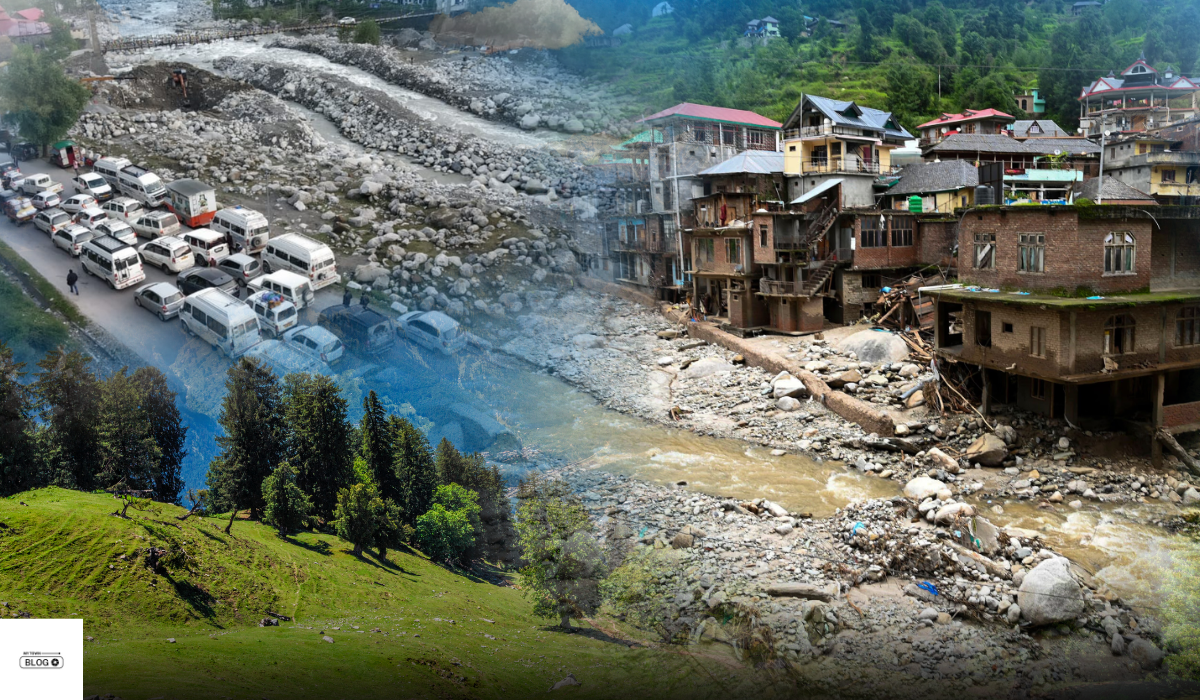
Himachal Pradesh is changing — and not in a good way. The snowfall that once arrived in December now comes late, or not at all. At the same time, cloudbursts, floods, and landslides are happening more often.
People are losing their homes, roads are breaking down, and the weather feels different every year.
What’s causing all this? Is it just climate change, or are human activities making it worse? Let’s take a closer look at why Himachal’s weather is changing so fast — and what we can do to protect it.
Why is Himachal’s Weather Changing So Drastically?
If you’ve been living in or visiting Himachal in recent years, you’ve likely noticed it — winters just aren’t the same anymore. Snowfall, which used to begin in December, now arrives late or doesn’t come at all.
At the same time, the state is seeing more cloudbursts, sudden floods, and landslides than ever before. So the real question is: what’s happening to Himachal?
Less Snow, More Disasters — The Signs Are Clear
- Snowfall is declining or delayed in many hill stations
- Unseasonal rains are damaging crops and increasing soil erosion
- Cloudbursts and flash floods are becoming common every year
- Entire villages have faced destruction, and roads remain damaged for months
Clearly, climate change is hitting Himachal hard. But it’s not just climate — human actions are making things worse.
Is Development Disturbing Nature’s Balance?
Himachal is seeing rapid infrastructure growth. Four-lane highways, tunnels, and bridges are being built across the state. These projects are meant to improve connectivity and support tourism, but the environmental cost is heavy.
- Mountains are being cut extensively, weakening their structure
- Blasting and tunneling are damaging underground water channels
- Natural drainage systems are being blocked
- Forests are being cleared, leading to increased landslides
When nature is disrupted like this, it responds — often with force.
Also Read: Jai Ram Thakur in Headlines Again: Public Service or Political Drama?
Has Tourism Turned from a Boon to a Burden?
Tourism brings income to the state, but mass tourism without regulation is leading to:
- Piles of unmanaged plastic waste in forests and rivers
- Traffic jams causing air pollution even in high-altitude towns
- Unplanned hotels being built on unsafe slopes
- Overuse of water and natural resources in tourist-heavy areas
The irony is clear: people come to see nature, but their visit often harms it.
Is the Government Doing Enough to Respond?
With so many natural disasters and climate disruptions, government action becomes critical. But locals are increasingly concerned about:
- Inadequate disaster preparedness
- Delays in compensation and rehabilitation
- Lack of long-term environmental policies
- Budget cuts affecting climate and disaster management
While some recovery efforts are in place, many believe they’re not enough to match the scale of the problem.
What’s Really Causing This Crisis?
Let’s break it down into key contributors:
- Global warming and changing climate patterns
- Deforestation and rapid construction
- Unchecked tourism growth
- Weak environmental regulations
- Ignoring traditional, sustainable ways of living
The result? Himachal’s fragile ecosystem is now under immense pressure.
How Can We All Help Save Himachal?
It’s not just the government’s job — as citizens and visitors, we have a major role to play. Here’s what can make a difference:
- Travel responsibly and carry your waste back
- Avoid using plastic bags and bottles
- Support reforestation and plantation drives
- Volunteer or participate in local clean-up activities
- Speak up against illegal or unsafe construction
- Promote eco-tourism and sustainable stays
- Learn from the traditional ways of the hills — live with nature, not against it
What Do You Think? Speak Up for Himachal
Now it’s time to hear from you.
- Do you think development is destroying the balance of nature in Himachal?
- Should tourism be regulated more strictly?
- What can communities, individuals, and the government do better?
Share your views. Let’s start a meaningful conversation — because the Himachal we love is worth fighting for.
FAQ’s
1. Why is snowfall decreasing in Himachal Pradesh?
Snowfall is decreasing due to rising global temperatures and changing climate patterns. Deforestation, urban development, and pollution are also disturbing the natural snow cycle in many hill regions.
2. What are the main causes of frequent cloudbursts in Himachal?
Frequent cloudbursts are linked to extreme weather events caused by climate change. Human activities like hill-cutting, deforestation, and blocked natural drainage also contribute to these disasters.
3. Is tourism damaging Himachal’s environment?
Unregulated mass tourism is leading to increased pollution, waste, and overuse of local resources. While tourism is important for the economy, it needs to be managed sustainably to protect the environment.
4. What role do road construction projects play in environmental damage?
Large-scale construction, especially for four-lane highways, involves heavy blasting and deforestation. This weakens the soil, increases landslide risks, and disrupts natural ecosystems.
5. What can locals and tourists do to help Himachal’s environment?
Everyone can contribute by avoiding plastic, respecting nature, supporting eco-tourism, planting