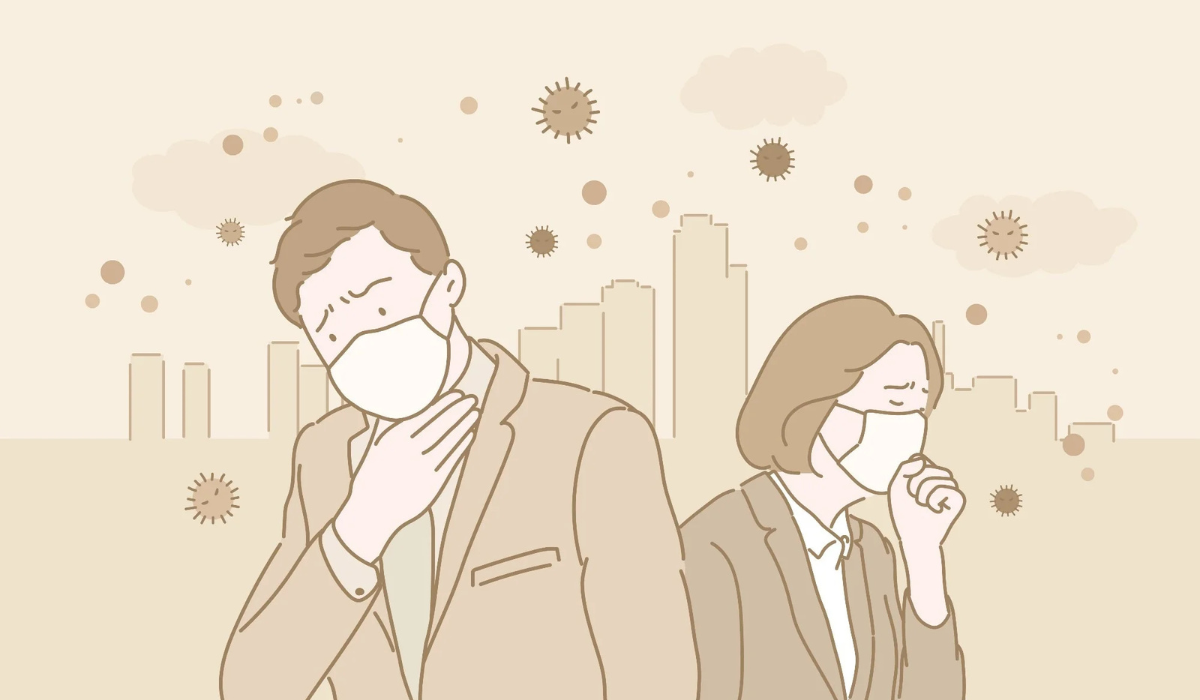
Air pollution is one of the biggest environmental threats to human health. Across Europe, millions of people breathe polluted air every day — especially in cities where traffic, industry, and heating systems release harmful pollutants.
According to the European Environment Agency (EEA), fine particulate matter (PM2.5) remains the most dangerous air pollutant, responsible for thousands of premature deaths each year.
What Makes Air Pollution So Harmful?
Air pollution is a mixture of dust, smoke, and toxic gases that can easily enter our lungs and bloodstream. Both short-term exposure (like during smog episodes) and long-term exposure can trigger serious health problems such as:
- Asthma and breathing difficulties
- Heart disease and stroke
- Lung cancer and chronic lung conditions
- Type 2 diabetes and obesity
- Alzheimer’s and other neurological diseases
The World Health Organization (WHO) confirms that PM2.5 is a proven cause of cancer and can damage nearly every organ in the body.
Why Children Are Most at Risk
Children and teenagers are especially vulnerable to air pollution. Their organs and immune systems are still developing, which means harmful pollutants can cause lasting damage. Exposure in early life also increases the risk of chronic diseases in adulthood.
Main Sources of Air Pollution
Across Europe, most air pollution comes from:
- Burning fuels for heating homes and buildings
- Vehicle exhaust and road traffic
- Industrial and mining activities
- Agricultural processes releasing ammonia and dust
From 2005 to 2023, the EU reduced PM2.5 and PM10 emissions by nearly 40%, but pollution levels remain unsafe in many urban areas.
WHO and EU Action for Cleaner Air
To protect health, the WHO introduced new air quality guidelines in 2021. The European Union followed with stricter rules under the Ambient Air Quality Directive (AAQD 2024/2881) — part of the European Green Deal and Zero Pollution Action Plan.
Key EU goals include:
- Cutting air-pollution-related premature deaths by 55% by 2030 (vs. 2005 levels).
- Reducing areas where pollution threatens biodiversity by 25%.
- Achieving zero pollution by 2050.
These policies also support Europe’s Beating Cancer Plan, since air pollution is a leading cause of lung cancer.
The Numbers Behind the Problem
- In 2022, around 239,000 premature deaths in the EU were linked to PM2.5 exposure.
- Urban exposure remains high — 94.4% of city residents live with PM2.5 levels above WHO’s safe limit.
- Still, deaths linked to air pollution have fallen by 45% since 2005 — a sign of progress, but not enough.
Also Read: Hypertension: Causes, Symptoms, and Prevention
Unequal Impact Across Europe
Not everyone is affected equally.
Older people, children, and those with chronic illnesses are more sensitive to pollution. Low-income families often live near busy roads or industrial zones, where pollution is higher.
Regions with lower GDP per capita — especially in Eastern and South-Eastern Europe — tend to burn low-quality fuels for heating, leading to higher pollution and more health problems.
Beyond Death: Living with Disease
Air pollution not only shortens lives but also causes long-term illnesses.
In 2022, across Europe:
- PM2.5 exposure caused over 119,000 years lived with disability (YLDs) from COPD.
- NO₂ exposure led to 132,000 YLDs from Type 2 diabetes.
These figures show the heavy burden air pollution places on healthcare systems and families.
A Healthier Future Is Possible
Cleaner air means healthier lives. To achieve this, Europe must:
- Promote clean energy and public transport
- Phase out coal and wood burning
- Enforce stricter industrial emission standards
- Encourage greener urban planning
With strong policies and public awareness, Europe can reach its 2050 zero-pollution goal and ensure that every child grows up breathing clean air.