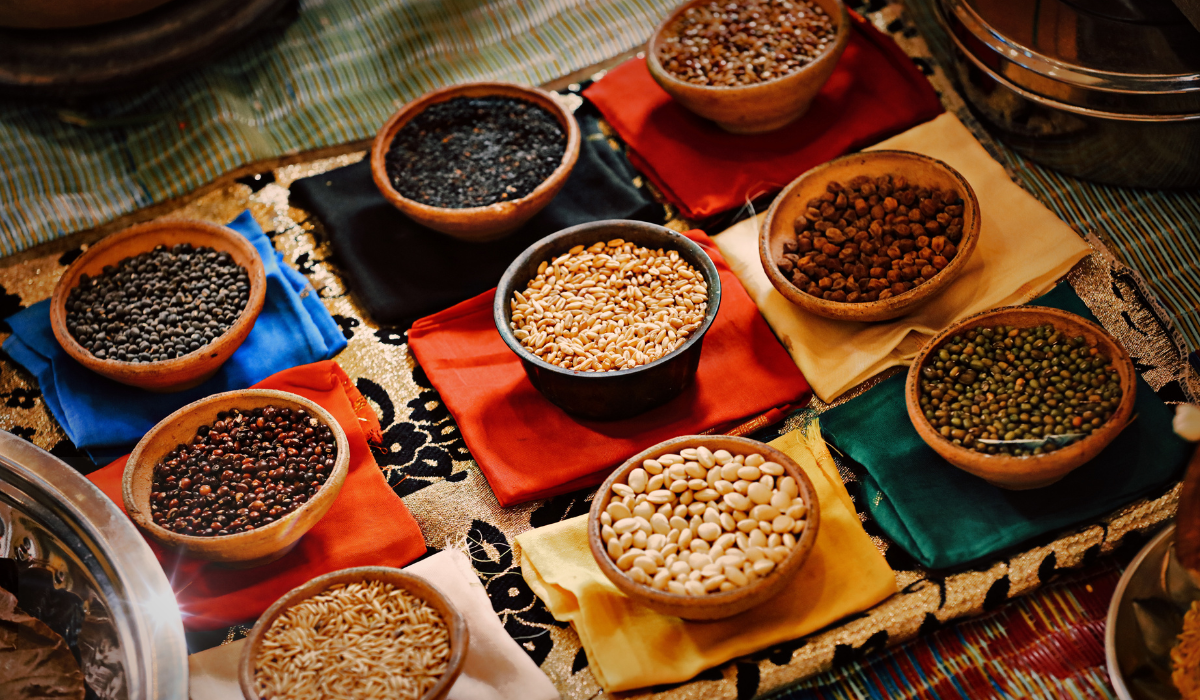
With healthy eating, we often overlook the small things that can make a big difference. One such food is little millet. The benefits of little millet have been recognized for centuries, yet many people are unaware of how this tiny, nutrient-rich grain can improve digestion, support heart health, boost immunity, and aid in weight management.
In this article, we’ll explore the top little millet benefits, why it deserves a regular spot in your meals, and simple ways to enjoy it every day.
What Makes Little Millet Special?
Little millet is more than just a grain. It is gluten-free by nature, has a soft digestive profile, and is rich in nutrients that our bodies absorb. Little millet provides sustained energy, satiety, and even helps in weight management, something that processed rice and wheat do not.
The farmers have cultivated it for centuries, particularly in hilly regions where rice will not grow. Now, health professionals suggest it as a healthy option to normal grains because it’s light, nutritious, and convenient.
Health Benefits of Little Millet
1. Helps With Digestion
One of the biggest little millet benefits is its effect on digestion. Naturally high in fiber, it prevents constipation, supports a healthy gut, and improves bowel movements. Even people with irregular digestion notice reduced bloating and better gut health after including it in their diet.
Even with irregular digestion, incorporating little millet into breakfast or lunch can make a marked difference.
2. Regulates Blood Sugar
If diabetes is your concern, a little millet is the best option. Its very natural structure prevents quick release of sugar into the bloodstream, thus not triggering blood sugar spikes.
Using little millet instead of white rice or processed grains will regulate sugar levels, so it’s perfect for diabetics or anybody who wishes to eat intelligently.
3. Facilitates Weight Control
Feeling full without overeating is one of the keys to maintaining a healthy weight. Little millet does exactly that. Because it’s high in fiber and protein, it keeps hunger at bay longer than refined grains.
For anyone trying to lose weight or maintain a healthy diet, including little millet in meals can be a simple and effective trick.
4. Good for Your Heart
Little millet is rich in minerals such as magnesium and potassium, which are recognized to promote the functioning of the heart. Regular consumption of little millet can ensure healthy blood pressure levels and the functioning of the cardiovascular system.
Adding a little millet to your diet is a minor switch that might have significant implications for your heart in the long term.
5. Strengthens Bones
Healthy bones require minerals, and little millet offers them in a natural way. It is rich in calcium and phosphorus, which maintain bone strength and joint health. Because of this, it is specially beneficial for older individuals and developing children.
6. Increases Immunity
Little millet isn’t only healthy for bones or digestion—it also supports your body’s ability to combat illness. It’s rich in antioxidants and minerals that make your immune system more robust. Regular use can make you less susceptible to run-of-the-mill infection and keep your body strong throughout the year.
7. Plant-Based Protein Source
If you’re on a vegetarian or vegan diet, little millet can be a savior. It’s full of plant-based protein that aids in muscle repair, energy, and well-being.
Even if you consume meat, adding a little millet a couple of times a week brings variety and nutrition to your plate.
8. Easy to Cook
Another aspect I appreciate about little millet is how convenient it is to use in various dishes. You can:
- Serve it as a porridge for breakfast
- Substitute rice in pilafs, pulaos, or salads
- Make pancakes, muffins, or flatbreads with the flour
- Add to soups or stews for added thickness and nutrition
It has a mild flavor that goes well with nearly anything, so experiment in the kitchen.
How to Use, Store, and Safely Consume Little Millet
Simple Ways to Add Little Millet to Your Diet
- Try a small bowl of little millet in the morning, cooked with milk or water, and top it with fruits or nuts.
- Replace one serving of rice or wheat in your lunch or dinner with little millet for a lighter, healthier meal.
- Experiment with little millet flour in baked goods, pancakes, or snacks for a nutritious twist.
- Even a few meals a week can bring visible health benefits over time.
Buying and Storage Tips
- Purchase organic or unpolished little millet for maximum nutrition and better quality.
- Store it in a cool, dry place in an airtight container to keep it fresh.
- Wash it thoroughly under running water before cooking to remove dust and impurities.
Important Things to Remember
- Little millet is safe for everyone but should be eaten in moderation.
- Overeating at once can lead to bloating because of its high fiber content.
- People with thyroid issues should consult a doctor if consuming it regularly, as millets are mildly goitrogenic.
- If you have any health conditions or allergies, seek professional advice before including it in your diet.
Conclusion
Little millet is a tiny grain with great advantages. It aids digestion, regulates blood sugar levels, helps with weight control, aids bone health, enhances immunity, and offers plant protein. Its ease of use makes it simple to incorporate in daily meals.
If you’re looking to eat healthier without making drastic changes, little millet is a smart choice. Start small, experiment with recipes, and gradually make it a regular part of your diet. Your body—and taste buds—will thank you.
Also Read: Best 10 Easy Fitness Tips to Stay Healthy Every Day
FAQ
Q1. Can little millet be used instead of rice?
Yes, little millet is a great alternative to rice in everyday cooking. It blends well in dishes like pulao, khichdi, dosa, or even healthy desserts. Its high fiber and nutrient content make meals lighter, healthier, and more filling compared to regular rice.
Q2. Is little millet good for diabetics?
Absolutely. Little millet has a low glycemic index, meaning it releases sugar slowly into the bloodstream. This helps regulate blood sugar levels and keeps energy steady, making it a smart choice for people with diabetes.
Q3. How much little millet should I eat daily?
For most adults, 50–100 grams per meal is the right amount. If you lead an active lifestyle, you can increase the portion slightly. Pairing it with vegetables, dals, or lean proteins makes your meal more balanced and nutritious.
Q4. Is little millet safe for children?
Yes, little millet is completely safe and healthy for children. It provides essential nutrients like calcium, protein, and fiber, supporting their growth and development. Start with simple dishes like porridge or soft khichdi for easy digestion.
Q5. Where can I buy little millet?
Little millet is available in most organic or health food stores. You can also buy it online from platforms like Amazon, Flipkart, or specialized millet brands. For the best quality, look for unpolished or organic varieties.