The trade relationship between India and the United States has entered a new phase of uncertainty following Washington’s decision to scrutinize imports from several countries, including India, over concerns related to forced labor in global supply chains. The move has sparked widespread debate among policymakers, businesses, exporters, and economists who fear that additional tariffs could disrupt trade flows and affect ongoing negotiations between the two nations.
As the United States intensifies its efforts to ensure ethical sourcing and labor compliance, India finds itself under increased examination. The development comes at a critical time when both countries are working toward strengthening economic ties and expanding bilateral trade.
This article explores what the latest US tariff scrutiny means, why India is being targeted, the potential impact on businesses, and what could happen next.
What Is the US Tariff Scrutiny?
The recent scrutiny stems from investigations conducted by the Office of the U.S. Trade Representative (USTR). The investigation focuses on whether countries have implemented adequate measures to prevent products linked to forced labor from entering international supply chains.
According to U.S. authorities, countries that fail to effectively address forced labor risks could face additional tariffs on exports entering the American market. India is among dozens of countries currently being reviewed under this initiative.
The proposed action is part of a broader effort by the United States to strengthen supply-chain transparency and ensure imported products comply with labor standards recognized by international organizations.
Why Is India Under Review?
India has emerged as one of the world’s fastest-growing manufacturing and export hubs. The country exports a wide range of products to the United States, including:
- Textiles and garments
- Pharmaceuticals
- Engineering goods
- Chemicals
- Jewelry
- Agricultural products
- Electronics
The U.S. investigation argues that India lacks a comprehensive enforcement framework capable of fully preventing goods linked to forced labor from entering global supply chains.
American officials claim that stronger verification systems, stricter compliance procedures, and enhanced monitoring mechanisms are needed to ensure imported products meet labor standards.
Indian authorities, however, maintain that the country is committed to labor rights and remains actively engaged with the United States on trade-related discussions.
Proposed Tariffs and Their Potential Impact
One of the most discussed aspects of the investigation is the possibility of additional tariffs on certain imports from India.
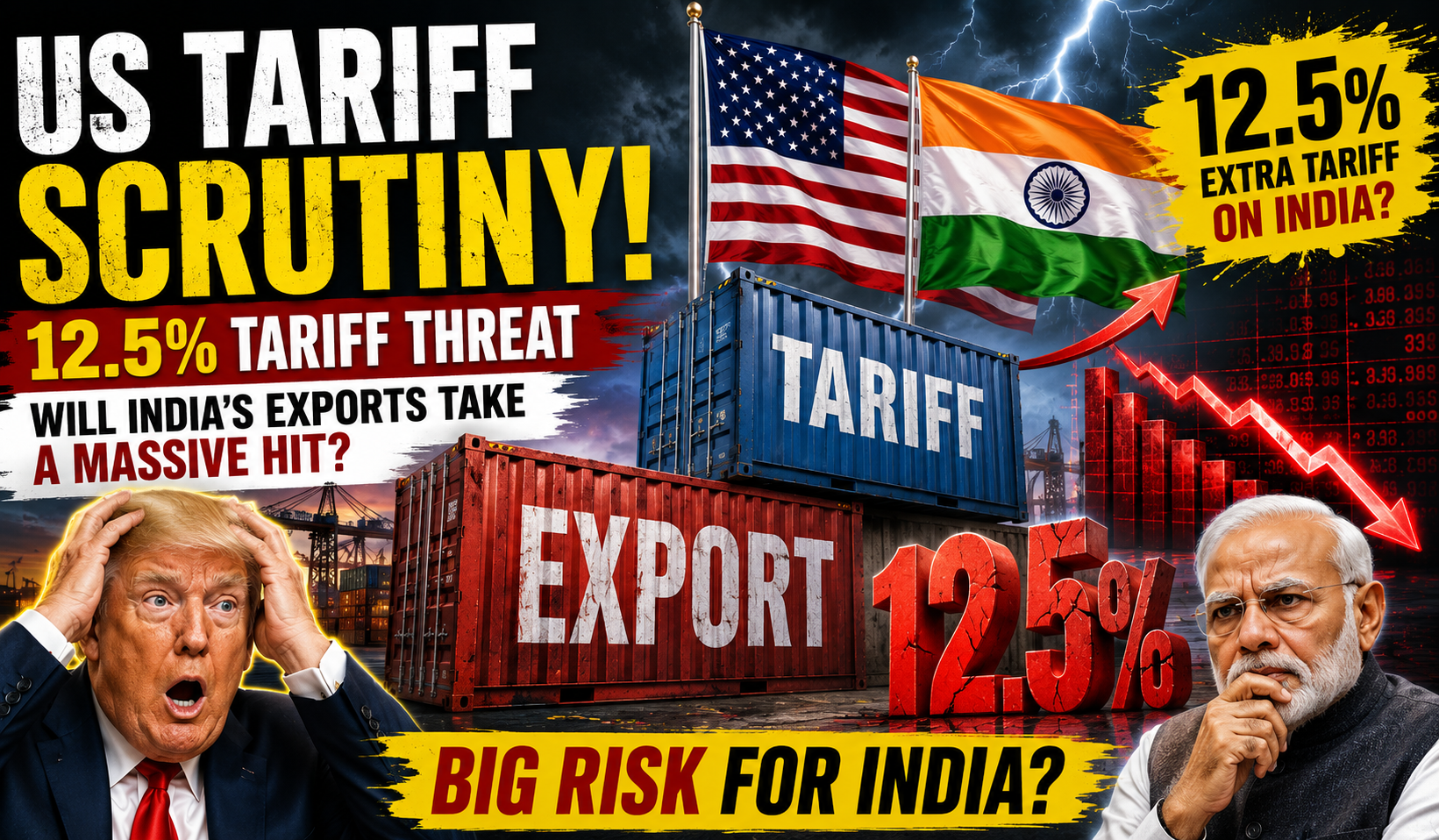
Reports suggest that India could face an additional tariff burden of approximately 12.5% on affected products if the proposal moves forward.
While no final decision has been made, such tariffs could have significant consequences for exporters.
Increased Costs for Exporters
Tariffs effectively increase the cost of imported goods. If additional duties are imposed, Indian exporters may find their products becoming more expensive in the U.S. market.
As a result:
- American buyers may reduce purchases.
- Importers may seek alternative suppliers.
- Profit margins could shrink.
- Export competitiveness may decline.
Impact on Manufacturing
Manufacturing industries that depend heavily on exports to the United States may experience pressure.
Sectors potentially affected include:
- Apparel and textiles
- Leather products
- Industrial manufacturing
- Consumer goods
- Agricultural exports
Many businesses could be forced to reassess pricing strategies and supply-chain operations to remain competitive.
Why Forced Labor Concerns Matter Globally
Forced labor has become a major issue in international trade policy.
Governments worldwide are increasingly adopting regulations designed to ensure products sold within their borders are not produced through exploitative labor practices.
Several countries have already implemented measures that require companies to:
- Verify supply chains
- Conduct labor audits
- Provide transparency reports
- Remove suppliers linked to labor violations
The United States has taken some of the strongest actions in this area, making labor compliance a key component of trade policy.
As global supply chains become more interconnected, governments are paying closer attention to how products are sourced, manufactured, and transported.
Timing Raises Questions
The tariff scrutiny comes at a particularly sensitive moment.
India and the United States have spent years working to deepen economic cooperation. Trade between the two countries has grown significantly, making the United States one of India’s largest export destinations.
At the same time, both nations have been engaged in discussions aimed at achieving a broader trade agreement.
The new tariff proposal has raised concerns that negotiations could become more complicated.
However, trade experts note that investigations and negotiations often occur simultaneously in international commerce. The final outcome will likely depend on diplomatic discussions and future policy decisions.
How Important Is the U.S. Market for India?
The United States remains one of India’s most valuable trading partners.
Indian exports to the U.S. contribute billions of dollars annually and support millions of jobs across various industries.
Key reasons the American market is important include:
Strong Consumer Demand
The U.S. is one of the largest consumer markets in the world. Indian exporters benefit from access to millions of customers seeking affordable and high-quality products.
Diverse Export Opportunities
India supplies a broad range of products to American businesses and consumers, reducing dependence on a single industry.
Investment and Economic Cooperation
Trade relations extend beyond exports. The two countries share strong investment ties, technology partnerships, and strategic economic cooperation.
Because of these factors, any tariff-related changes are closely monitored by both governments and industry groups.
What Are Businesses Doing in Response?
Companies operating in international markets are increasingly focusing on supply-chain compliance.
Many exporters are taking proactive measures such as:
Strengthening Documentation
Businesses are improving record-keeping practices to demonstrate compliance with labor regulations.
Conducting Supplier Audits
Manufacturers are reviewing supplier networks to identify and address potential risks.
Enhancing Transparency
Organizations are investing in technologies that improve visibility across supply chains.
Diversifying Markets
Some exporters are exploring new international markets to reduce dependence on any single destination.
These steps can help companies adapt to changing trade regulations and minimize future risks.
Could This Affect Global Supply Chains?
Potentially, yes.
Modern supply chains often involve multiple countries, suppliers, manufacturers, and logistics providers.
When major economies introduce new trade measures, businesses across the world may be affected.
Possible outcomes include:
- Increased compliance requirements
- Higher production costs
- Supply-chain restructuring
- Greater investment in traceability systems
- Shifts in sourcing strategies
Many multinational corporations are already prioritizing ethical sourcing and labor compliance as part of broader sustainability initiatives.
India’s Response
Indian officials have emphasized that discussions with U.S. authorities remain ongoing.
The government has indicated that it will continue engaging through diplomatic and trade channels to address concerns raised during the investigation process.
Industry associations have also expressed confidence that Indian exporters can demonstrate compliance with international labor standards.
Many experts believe that continued dialogue between both countries could help prevent significant disruptions to trade.
What Happens Next?
At this stage, the proposed tariffs have not been finalized.
The process typically includes:
- Public consultations.
- Industry feedback.
- Economic impact assessments.
- Government reviews.
- Final policy decisions.
This means the situation remains fluid and could evolve significantly in the coming months.
Several outcomes are possible:
- The tariffs could be implemented as proposed.
- The tariff rates could be modified.
- Exemptions could be introduced.
- Diplomatic negotiations could result in alternative solutions.
Businesses and investors are therefore watching developments closely.
Conclusion
The latest US tariff scrutiny represents an important moment in the evolving trade relationship between India and the United States. While the investigation focuses on concerns surrounding forced labor and supply-chain transparency, its implications extend far beyond compliance issues.
If additional tariffs are eventually imposed, Indian exporters could face higher costs and increased competition in one of their most important markets. At the same time, the situation highlights a broader global trend toward stricter labor standards, ethical sourcing requirements, and greater supply-chain accountability.
For now, the proposed tariffs remain under review, and both countries continue to engage in discussions. The outcome of these negotiations could shape not only India-U.S. trade relations but also the future direction of international commerce in an increasingly interconnected world.