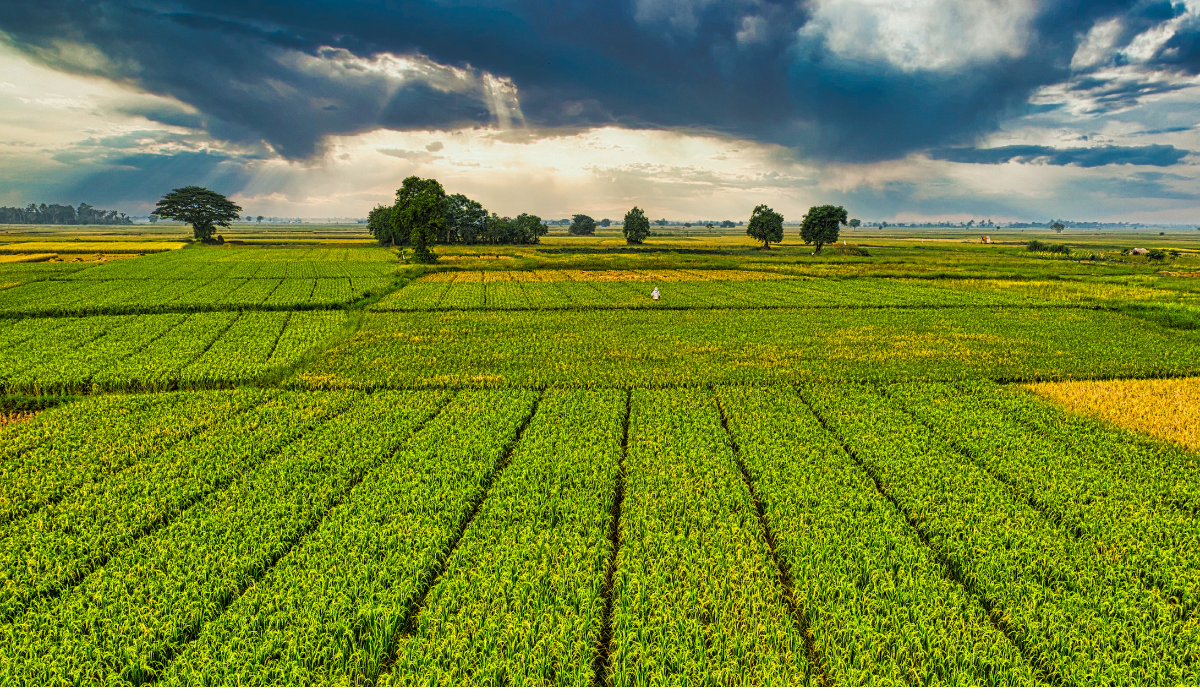
Recently, individuals have become more interested in what they consume and how their food is produced. Traditional farming often depends heavily on chemical pesticides and fertilizers to boost crop production. Although this can make food available in greater quantities, it can also degrade the soil and leave chemical residues on crops. This growing awareness has led many people to explore the advantages of organic farming, which focuses on natural methods that protect both health and the environment.
Organic farming is different. It involves co-operating with nature instead of using synthetic chemicals. Farmers apply compost, crop rotation, and occasionally include animals in the system to naturally fertilize the soil. This process requires more patience but keeps the soil healthy and creates cleaner, safer food.
Organic farming is attracting interest in India. Some farmers are trying this out in small areas, while others are completely switching over. The advantages of organic farming are becoming clear — organic food tastes better, can fetch higher prices, and offers long-term sustainability with healthier soil, balanced ecosystems, and safer food for people.
What Is Organic Farming?
India has traditionally always practiced farming in a close-to-nature way. For years, farmers cultivated crops with natural manures and seeds, and the practices were largely organic without anyone using that term. When the Green Revolution began, however, all this changed. Chemical fertilizers and pesticides suddenly became the norm to boost yields, and in the process, it began to impact the soil and water too.
Today, organic farming is coming back into favor in India. Some farmers are trying it out on small fields, others are converting their entire farms. Sikkim, Uttarakhand, Kerala, and Himachal Pradesh are among the states becoming models of what can be done. Sikkim, for example, was the first state to go completely organic in 2016. That indicates that if there is an effort, even big areas can go organic.
More and more people are purchasing organic products these days, not only in India but internationally as well. Organic fruits, vegetables, cereals, and spices are on demand. Organic produce is a boon for farmers since it can be sold at better prices. The biggest benefit, however, is more than financial — the soil remains healthier, the water remains cleaner, and the land can remain fertile for generations to come.
Advantages and Disadvantages of Organic Farming
Advantages of Organic Farming
Organic farming is all about working together with nature rather than fighting against it. Some of the greatest benefits are:
- Safer Food: Plants grown organically have no chemical residues. Fruits and vegetables taste better and may be more nutritious.
- Improved Soil Fertility: Organic techniques like composting, crop rotation, and manure increase the soil quality over a period of years. This keeps the soil fertile for many years to come.
- Environmental Benefits: With no pesticides and artificial fertilizers, rivers and groundwater stay cleaner, and farms have more birds, insects, and beneficial organisms.
- Climate Resilience: Healthy soil holds water better, so crops are consequently better able to cope with floods and droughts.
- Economic Opportunities: Organic produce fetches higher prices, especially spices, fruits, vegetables. In the long run, it can be more cost-effective for farmers.
- Sustainable Agriculture: Organic agriculture focuses on long-term soil fertility and ecosystem balance with the assurance that subsequent generations can continue to cultivate in the same field.
Disadvantages of Organic Farming
While the advantages are immense, organic farming is not perfect. Some of the common drawbacks are:
- Reduced Early Yields: Crops may produce less for the initial two years, especially as the soil adapts to organic methods.
- More Labor: Composting, organic pest management, and crop rotation require more effort and attention.
- Pest and Disease Management: Natural controls may be less predictable and need to be continuously watched over.
- Shorter Shelf Life: Organic products will spoil faster because they don’t contain chemical preservatives.
- Increased Costs: Farmers may have to pay for training, certification, or organic seeds before they see full returns.
Unless farmers are motivated by idealism, these disadvantages mean that most farmers believe the long-term benefits outweigh the inconvenience. Healthy soil, safe food, and a sustainable environment usually come as the reward for the extra work.
Global Trends Towards Organic Farming
Organic farming is no longer a fringe activity. Everywhere in the world, it’s a serious movement because people are coming to know more and more the significance of health, sustainability, and the environment. Different nations are adopting organic methods at their own pace, but overall direction is surely upwards.
Organic farming has been on the rise in North America and Europe for decades. There are now entire organic aisles in grocery stores. Consumers are willing to pay more for foods grown without chemical substances, and governments around the globe subsidize and certify organic production.
India and other Asian countries are also witnessing a rise in organic farming. Sikkim and Uttarakhand have promoted large-scale organic cultivation, proving that even native farming communities can transform. Locally as well as in export markets, there is growing demand for organic spices, tea, rice, and fruits.
Some Trends That Can Be Noted on the Global Level Are:
- Growing demand: Growing demand for organic products by increasing numbers of people for health and environmental reasons.
- Government incentives: Organic farming is encouraged by policies, subsidy programs, and certification programs.
- Export market: India, China, and Mexico are becoming major exporters of organic fruits, vegetables, and cereals.
- Adopting technology: While organic avoids chemicals, farmers are using high-tech gadgets like drones and soil sensors to maximize efficiency.
- Urban agriculture: In most urban areas, rooftop gardens and kitchen gardens employing organic practices are on the upswing.
Why these trends matter is that they show an attitude change. It is no longer just about producing more food for its own sake; it’s about producing food sustainably, environmentally conscious for the future generations’ sake.
Conclusion
Organic farming is not just a method of cultivation; it’s an approach of living in harmony with nature. By avoiding chemicals and focusing on natural methods of soil enrichment, the farmers create an environment that is sustainable, healthier, and environmentally friendly.
Organic farming in India is not only reviving the old practices of the past but also providing new avenues for farmers both at home and abroad. With less initial production and more labor needs, for many there are hurdles. But long-term advantages of organic farming override these. Healthy soil, cleaner water, and safer food are sufficient reasons for expanding the number of supporters and adopters of organic farming.
As demand for organic produce on a global scale grows, farmers who choose this route can discover economic as well as environmental advantages. It’s not merely producing food — it’s securing farming’s future.
Also Read: Nature Walks: Your Path to Improved Health, Mindfulness, and Serenity
FAQs
What Exactly is Organic Farming?
Organic farming is just farming without the use of chemicals. The farmers do not use synthetic fertilizers or insecticides. They use compost, animal manure, crop rotation, and other organic means to enrich the soil and keep the crops healthy.
What Are the Biggest Advantages of Organic Farming?
There are quite a few. The produce is cleaner and safer since it doesn’t contain chemical residues. The soil gets healthier over time, water sources get cleaner, and the environment gets better. And, organic vegetables and fruits taste fresher and can even command premium prices at the market.
What Are the Disadvantages of Organic Farming?
It’s not perfect. Yields may be lower, especially at first, and it takes more labor-intensive work. It is harder to manage pests without chemicals, and organic fruit and vegetables don’t usually last so long on the shelf. Farmers also sometimes incur additional costs in paying for certification or seeds that are organic prior to the time they are profiting.
What is Happening With Organic Farming in India?
India is moving steadily in that direction. Certain states like Sikkim and Uttarakhand have been promoting organic farming on a large scale. Organic spices, tea, rice, and fruits sell good markets by the farmers both in domestic and international markets. Urban folks are also slowly opting for organic products more and more.
Why is Organic Farming Significant for the Future?
Because it’s renewable. It keeps the planet alive and fertile, reduces pollution, and encourages biodiversity. Simply, it allows today’s farmers to plant food without depriving tomorrow’s farmers of the same chance.