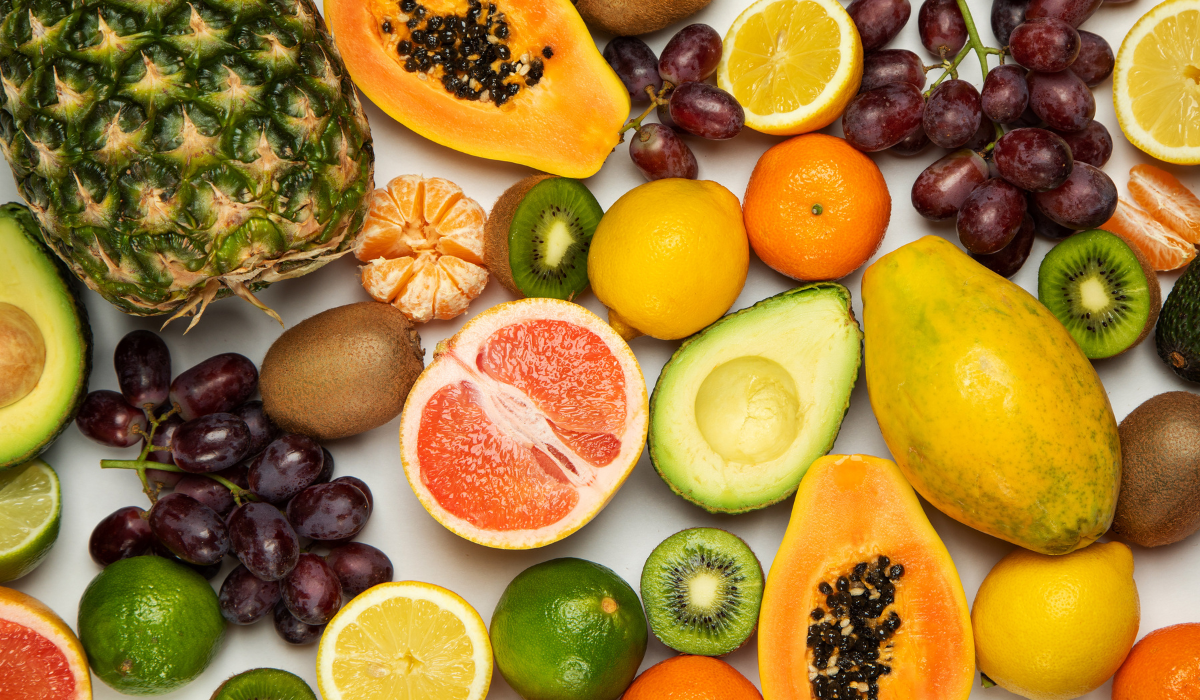
Magnesium is a vital mineral that plays an essential role in our overall health, yet many people don’t get enough of it through their diet. While beans, nuts, and seeds are commonly known sources, a variety of fruits also provide substantial amounts of magnesium. Including these fruits in your daily diet not only enhances flavor but also helps support heart health, brain function, bone strength, and more.
Why Magnesium is Crucial for Health
Magnesium is involved in over 300 biochemical reactions in the body, making it indispensable for maintaining proper bodily functions. According to Abeer Bader, R.D., clinical nutrition manager at Massachusetts General Hospital, magnesium has numerous benefits:
- Reduces stress and promotes better sleep
- Supports nerve and muscle function
- Helps regulate blood pressure and blood sugar levels
- Enhances heart and bone health
Research from 2023 further indicates that diets rich in magnesium may improve brain health with age, particularly in women, and could even lower the risk of dementia. Nutrition expert Erica Leon, R.D., emphasizes the importance of varied nutrition, noting that magnesium works synergistically with other vitamins and minerals, such as vitamin B6 and potassium, to optimize health benefits.
Top Magnesium-Rich Fruits to Include in Your Diet
Here’s a list of delicious fruits that are naturally high in magnesium:
Figs
A staple of the Mediterranean diet, one cup of dried figs provides 101 mg of magnesium. Figs are not only rich in fiber but also contain iron, potassium, calcium, and vitamin K. Their health benefits extend to improving gastrointestinal, respiratory, inflammatory, metabolic, and cardiovascular functions.
Passion Fruit
One cup of raw passion fruit contains 68.4 mg of magnesium, making it a powerhouse for your diet. Passion fruit is also high in fiber, antioxidants, and vitamins A and C. Studies have even shown that drinking passion fruit juice can improve blood sugar levels and enhance mental performance.
Apricots
One cup of dried apricots offers 41.6 mg of magnesium. They are also rich in vitamin A, niacin, vitamin E, iron, potassium, and calcium. Apricots have been linked to benefits for digestive health, inflammation, metabolic function, and heart health.
Bananas
Bananas are widely known for their potassium content, but they also provide 32 mg of magnesium per medium fruit. They have antioxidant, anti-inflammatory, and anti-diabetic properties. Interestingly, the banana peel contains phenolic compounds that may reduce the risk of chronic diseases such as heart disease, diabetes, and certain cancers.
Papaya
One cup of sliced papaya contains 30.4 mg of magnesium. Papaya is rich in vitamins A and C, and its vibrant color comes from lycopene, a potent antioxidant known for cancer-fighting properties. Studies suggest that beta-carotene from papaya is absorbed better than from carrots or tomatoes, adding to its nutritional value.
Blackberries
Small but mighty, blackberries pack 28.8 mg of magnesium per cup. They are rich in fiber, antioxidants, calcium, potassium, and vitamins A, B, C, E, and K. The anthocyanins in blackberries help prevent heart disease and improve overall cardiovascular health.
Kiwi
Known for its high vitamin C content, one cup of kiwi contains 28.8 mg of magnesium. Kiwi not only boosts immune function and mood but also supports heart, bone, and digestive health thanks to its magnesium content.
Avocados
Half a cup of avocado provides 22 mg of magnesium along with heart-healthy fats. Research indicates that people who eat avocado regularly have a lower risk of cardiovascular disease and tend to make healthier dietary choices overall.
Oranges
One orange offers 15 mg of magnesium alongside abundant vitamin C. Oranges have antioxidant and anti-inflammatory properties and may support gut health, weight management, cognitive function, and healthy blood lipid and glucose levels.
Also Read: Fruits and Vegetables: The Key to a Healthy Diet
Tips to Maximize Magnesium Intake
- Pair magnesium-rich fruits with vitamin B6 sources like chicken, fish, or fortified cereals to help transport magnesium into your cells.
- Combine with potassium-rich foods to support electrolyte balance and prevent fatigue or weakness.
- Eat a varied diet including nuts, seeds, legumes, whole grains, and green leafy vegetables to meet daily magnesium requirements naturally.
Conclusion
Incorporating magnesium-rich fruits into your diet is a simple and delicious way to support overall health, brain function, and heart and bone wellness. From sweet figs to tangy passion fruit, these fruits offer a variety of flavors while delivering essential nutrients your body needs. Remember, a balanced and varied diet is key to reaping the full benefits of magnesium and other vital nutrients.