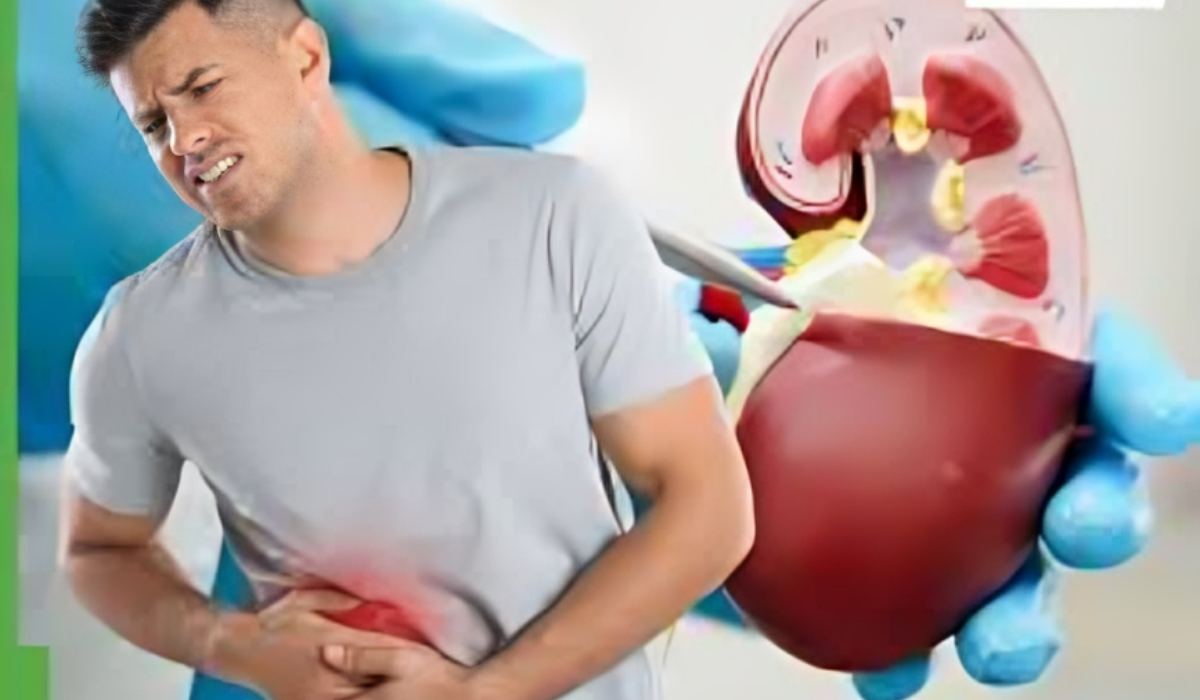
Your kidneys work non-stop to filter waste, balance fluids, and keep your body running smoothly. But many people unknowingly follow daily habits that gradually harm their kidneys. The tricky part? Kidney disease often develops silently, showing symptoms only after significant damage occurs.
Not Drinking Enough Water
Water is essential for flushing out toxins and keeping your kidneys healthy. When you don’t drink enough, waste products can build up, increasing the risk of kidney stones, infections, and reduced kidney function over time.
How to improve:
- Drink at least 2–3 liters of water daily (more if you exercise or live in a hot climate).
- Check your urine color—light yellow is ideal, dark yellow may mean dehydration.
- Use phone reminders or carry a reusable water bottle to stay hydrated.
Eating Too Much Salt
High salt intake raises blood pressure, which puts extra strain on your kidneys. Processed and packaged foods often hide a lot of salt, making it easy to exceed daily limits without noticing.
How to improve:
- Limit processed foods like chips, instant noodles, and canned soups.
- Check food labels and aim for less than 2,300 mg of sodium per day (about one teaspoon).
- Use herbs and spices for flavor instead of salt.
- Cook fresh meals at home whenever possible.
Overusing Painkillers
Frequent use of painkillers, especially NSAIDs like ibuprofen, can reduce blood flow to your kidneys, leading to long-term damage. People with existing kidney issues, high blood pressure, or diabetes are at higher risk.
How to improve:
- Take painkillers only when necessary and follow the recommended dose.
- Try alternative pain relief like stretching, heat therapy, or physiotherapy.
- Stay hydrated while using pain medications.
- Consult a doctor if you need long-term pain management.
Holding in Urine for Too Long
Your bladder is designed to store urine, but holding it for too long puts pressure on your kidneys and increases the risk of urinary tract infections (UTIs) and kidney infections.
How to improve:
- Go to the bathroom when you feel the urge.
- Drink enough water to keep your urinary system healthy.
- Adjust your schedule to allow regular bathroom breaks.
Overeating Processed and Junk Food
Fast food, packaged snacks, and processed meats are loaded with unhealthy fats, sugar, and salt. These foods contribute to obesity, diabetes, and high blood pressure—all major risk factors for kidney disease.
How to improve:
- Choose fresh fruits, vegetables, whole grains, and lean proteins.
- Limit sugary drinks and sodas.
- Prepare homemade meals to control ingredients and sodium.
Not Controlling Blood Sugar and Blood Pressure
Uncontrolled diabetes and high blood pressure damage the tiny blood vessels in your kidneys, reducing their ability to filter waste. Over time, this can lead to chronic kidney disease (CKD) or kidney failure.
How to improve:
- Monitor your blood sugar and blood pressure regularly.
- Follow a balanced diet with fiber, lean proteins, and healthy fats.
- Exercise regularly—even 30 minutes of walking daily helps.
- Take prescribed medications as directed.
Drinking Too Much Alcohol or Soda
Excessive alcohol and sugary drinks dehydrate your body, raise blood pressure, and overload your kidneys with toxins. Soda, especially dark colas high in phosphates, can contribute to kidney stones and obesity.
How to improve:
- Limit alcohol to one drink daily for women, two for men.
- Reduce soda consumption and replace it with water, herbal tea, or natural juices.
- Try coconut water or fresh fruit-infused water instead of sugary drinks.
Also Read: Foods to Avoid on Empty Stomach: Keep Your Gut Healthy
Lack of Exercise and Poor Sleep
A sedentary lifestyle and poor sleep harm kidney health indirectly by increasing weight gain, high blood pressure, and diabetes. Poor sleep also disrupts the kidneys’ ability to regulate bodily functions.
How to improve:
- Aim for 30 minutes of physical activity most days—walking, yoga, or any movement works.
- Maintain a regular sleep schedule and limit screen time before bed.
- Manage stress with meditation, breathing exercises, or hobbies.
- Avoid heavy meals and caffeine before bedtime.
Protect Your Kidneys with Small Changes
Your kidneys work hard every day, but small, unnoticed habits can wear them down. The good news is that many kidney-damaging habits are preventable.
By staying hydrated, eating a balanced diet, controlling blood pressure and blood sugar, avoiding overuse of painkillers, and prioritizing exercise and sleep, you can protect your kidneys and prevent long-term damage.
If you have risk factors like diabetes, high blood pressure, or a family history of kidney disease, regular kidney check-ups are essential.