Bilaspur, Himachal Pradesh (Ghumarwin Route) – A devastating landslide in the Bilaspur district has left the nation in mourning after a private bus was buried under a thick layer of debris and rocks. The incident occurred near Bhalughat, close to Bhallu Bridge, on Tuesday evening when the bus was en route to Ghumarwin.
The Incident
According to local reports, the landslide struck around 6:30 p.m. near the Jhandutta–Bhalughat region. The bus, traveling from Marotan toward Ghumarwin, was carrying an estimated 25 to 35 passengers when a section of the hillside collapsed. Within seconds, tons of mud and boulders engulfed the vehicle, leaving little time for passengers to react.
Eyewitnesses described the horrifying scene as chaos and panic spread across the area. Rescue workers and local residents rushed to the site as emergency sirens echoed through the valley.
Casualties and Rescue Operations
Authorities confirmed that 15 people lost their lives, while several others were injured in the tragedy. Among the victims are men, women, and children. Two children — identified as siblings Arushi (10) and Shaurya (5) — were pulled out alive and transported to AIIMS Bilaspur for urgent medical care.
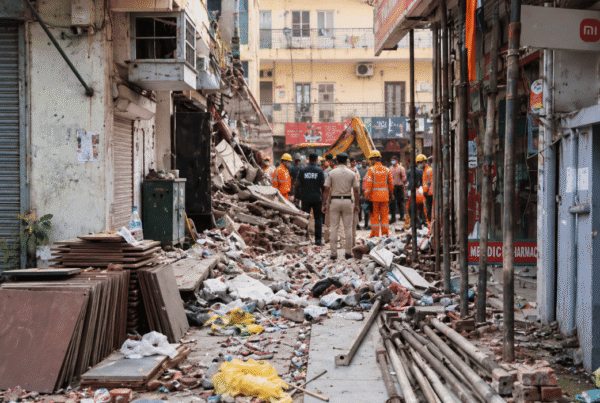
Rescue operations continued throughout the night under difficult conditions. Teams from the State Disaster Response Force, local police, and district administration worked tirelessly with heavy machinery to clear the debris. The steep terrain and unstable soil, however, made the operation extremely challenging.
Officials have indicated that the number of casualties could rise as rescue efforts progress. Search teams are also using sniffer dogs and thermal scanners to detect any remaining survivors trapped under the rubble.
Government and Public Response
Chief Minister Sukhvinder Singh Sukhu expressed deep sorrow over the incident and assured that rescue operations would continue on a war footing. He visited the control room to monitor the situation and instructed local authorities to provide every possible support to the victims’ families.
Prime Minister Narendra Modi also extended his condolences and announced an ex-gratia of ₹2 lakh for the families of each deceased person and ₹50,000 for the injured. Leaders across the country, including President Droupadi Murmu and Home Minister Amit Shah, expressed their grief and solidarity with the people of Himachal Pradesh.
A magisterial inquiry has been ordered to investigate the causes of the landslide and assess whether road construction, slope cutting, or negligence in maintenance contributed to the tragedy.
Why the Landslide Happened
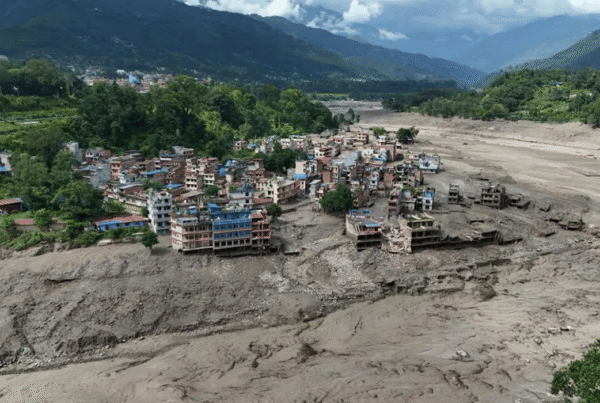
The landslide was reportedly triggered by intense and prolonged rainfall in the region over the past several days. Continuous rain had loosened the soil layers, weakening the slopes along the hilly terrain of Bilaspur. Experts say that when saturated, the already fragile hillside gave way, causing massive earth movement that engulfed the bus within seconds.
Himachal Pradesh, due to its mountainous topography, has always been prone to such natural disasters. However, the frequency and intensity of these landslides have increased in recent years, possibly due to climate change and unplanned infrastructure development in sensitive zones.
The Human Side of the Disaster
Families from Ghumarwin and surrounding villages gathered anxiously near the site, waiting for news of their loved ones. The atmosphere was filled with grief as the bodies were recovered one by one. Local residents volunteered by providing food, blankets, and assistance to rescue teams, showcasing the region’s enduring sense of solidarity in times of crisis.
For many survivors, the experience was terrifying. “We heard a thunderous sound and within moments, everything went dark,” said one injured passenger. “It felt like the mountain was collapsing on us.”
Challenges in Rescue and Recovery
The biggest challenge for the rescue teams has been navigating the unstable terrain. Every step on the loose mud risks triggering further mini-slides. Despite these dangers, teams continued to dig through the debris manually when machines couldn’t reach certain areas.
Authorities also faced difficulty restoring communication lines and clearing blocked roads, delaying the arrival of additional rescue vehicles. Helicopters were kept on standby for medical evacuation, though weather conditions remained unfavorable throughout the night.
Aftermath and Ongoing Risk
The Himachal Pradesh government has issued warnings to residents and travelers to avoid hilly routes in Bilaspur and Ghumarwin until further notice. Engineers are now assessing slope stability and drainage systems in the region to prevent another disaster.
Environmental experts are urging the government to take a more sustainable approach to infrastructure development in hill areas — including better drainage management, vegetation restoration, and slope protection measures.
Community Resilience and Mourning
In Ghumarwin, prayers and candlelight vigils are being organized for those who lost their lives. Schools and local offices observed moments of silence as the community came together to support grieving families.
Volunteers and local NGOs have stepped in to offer shelter and relief to those affected. The tragedy has once again reminded everyone of the unpredictable power of nature — and the urgent need to strengthen preparedness and response systems in vulnerable regions.
Also Read: उत्तराखंड और पहाड़ी राज्यों में शुरू हुआ मौसम का बदलाव, बद्रीनाथ और केदारनाथ में हुई पहली बर्फबारी
Conclusion
The Bilaspur landslide serves as a heartbreaking reminder of the fragility of life in mountainous terrains. As Himachal Pradesh continues its rescue and recovery operations, the focus now shifts toward rebuilding lives, strengthening infrastructure, and preventing such tragedies in the future.
The nation stands in solidarity with the victims and their families — their loss is immeasurable, and their resilience will remain a testament to the indomitable human spirit that rises even in the face of overwhelming tragedy.